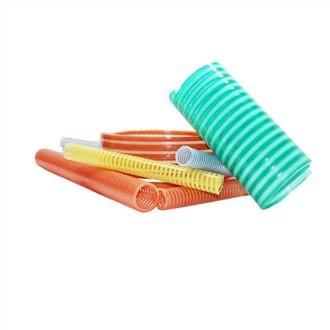
Snow can be a beautiful sight, but it can also pose significant challenges, especially when it accumulates on driveways, sidewalks, and other outdoor areas. One effective and innovative solution to this problem is using a PVC garden hose for snow - melting. As a PVC Garden Hose supplier, I'm excited to share with you how you can make the most of our products for this purpose.
Understanding the Basics of PVC Garden Hoses
PVC garden hoses are a popular choice for various outdoor applications due to their durability, flexibility, and affordability. They are made from polyvinyl chloride, a synthetic plastic polymer that can withstand different weather conditions. Our company offers a wide range of PVC garden hoses, including the PVC Braided Garden Pipe, Flexible Plastic Pipe Garden Hose Pvc, and PVC 75 Foot Garden Hose. These hoses are designed to be strong enough to handle the pressure of water flow while remaining flexible for easy maneuverability.


The Science Behind Snow - Melting with a PVC Garden Hose
The principle behind using a PVC garden hose for snow - melting is relatively simple. When warm water is pumped through the hose, the heat from the water is transferred to the hose material and then to the snow on the ground. This heat transfer causes the snow to melt, creating a clear path. The key is to ensure a continuous flow of warm water to maintain the melting process.
Preparing for Snow - Melting
Before you start using your PVC garden hose for snow - melting, there are a few steps you need to take:
- Inspect the Hose: Check the hose for any signs of damage, such as cracks or leaks. A damaged hose can lead to water wastage and may not function properly during the snow - melting process. If you find any issues, it's best to replace the hose or make the necessary repairs.
- Choose the Right Location: Identify the areas where you want to melt the snow, such as driveways, sidewalks, or steps. Make sure the hose can reach these areas without any obstructions. You may need to use additional connectors or extensions to cover larger areas.
- Set Up the Water Source: Connect the hose to a warm water source. This can be a hot water heater or a large container filled with warm water. Ensure that the water source can provide a sufficient and continuous supply of warm water.
The Snow - Melting Process
Once you have completed the preparation steps, you can start the snow - melting process:
- Lay the Hose: Carefully lay the PVC garden hose on the snow - covered area. Try to arrange the hose in a pattern that maximizes the contact with the snow. For example, you can lay the hose in a serpentine pattern or in parallel lines.
- Turn on the Water: Slowly turn on the water supply to the hose. Start with a low flow rate to prevent any sudden pressure changes that could damage the hose. As the warm water begins to flow through the hose, you will notice the snow around the hose starting to melt.
- Monitor the Process: Keep an eye on the snow - melting process. If the snow is melting too slowly, you may need to increase the water temperature or the flow rate. However, be careful not to overdo it, as this can waste water and may cause the hose to burst.
- Move the Hose if Necessary: As the snow in one area melts, you may need to move the hose to other areas that still have snow. This will ensure that the entire area is cleared.
Tips for Efficient Snow - Melting
To make the snow - melting process more efficient, consider the following tips:
- Use Insulated Hoses: Insulated PVC garden hoses can help retain the heat of the water for a longer time, reducing heat loss and improving the snow - melting efficiency.
- Combine with Other Methods: You can combine the use of a PVC garden hose with other snow - removal methods, such as shoveling or using a snow blower. This can speed up the process and make it easier to clear large areas.
- Pre - Treat the Area: Before the snow falls, you can apply a de - icing agent to the area. This will make it easier for the snow to melt when you use the hose later.
Maintenance and Storage
After you have finished using the PVC garden hose for snow - melting, it's important to take proper care of the hose to ensure its longevity:
- Drain the Hose: Once the snow - melting process is complete, turn off the water supply and drain the hose completely. This will prevent any water from freezing inside the hose during cold weather, which can cause the hose to crack.
- Clean the Hose: Use a mild detergent and water to clean the hose. This will remove any dirt or debris that may have accumulated during the snow - melting process.
- Store the Hose Properly: Store the hose in a cool, dry place. You can coil the hose and hang it on a hook or store it in a hose reel. Avoid storing the hose in direct sunlight or in areas where it can be damaged.
Conclusion
Using a PVC garden hose for snow - melting is a practical and effective solution for clearing snow from outdoor areas. As a PVC Garden Hose supplier, we are committed to providing high - quality hoses that can meet your snow - melting needs. Our PVC Braided Garden Pipe, Flexible Plastic Pipe Garden Hose Pvc, and PVC 75 Foot Garden Hose are designed to be reliable and durable, ensuring a successful snow - melting experience.
If you are interested in purchasing our PVC garden hoses for snow - melting or have any questions about our products, please feel free to contact us. We look forward to discussing your needs and helping you find the perfect solution for your snow - removal challenges.
References
- "Plastic Pipe and Fittings Handbook" by the Plastic Pipe and Fittings Association.
- "Snow and Ice Management Best Practices" by the American Public Works Association.