Hey there! I'm a supplier of HDPE pipes, and I know how crucial it is to ensure the quality of these pipes. HDPE, or High-Density Polyethylene, pipes are used in a wide range of applications, from water supply and drainage to industrial and agricultural uses. In this blog, I'll share some practical ways to test the quality of HDPE pipes.
Visual Inspection
The first step in testing HDPE pipes is a simple visual check. You don't need any fancy equipment for this; just your eyes. Start by looking at the surface of the pipe. It should be smooth and free of any visible cracks, holes, or scratches. Any of these defects can weaken the pipe and lead to leaks or failures down the line.


Also, check the color of the pipe. HDPE pipes usually come in a natural white or black color. If the color looks off, it could indicate a problem with the manufacturing process or the quality of the raw materials. For example, a yellowish tint might suggest that the pipe has been exposed to excessive heat during production.
Dimension Measurement
Accurate dimensions are essential for HDPE pipes to function properly. You'll need a measuring tape or a caliper to check the outer diameter, inner diameter, and wall thickness of the pipe. These measurements should match the specifications provided by the manufacturer.
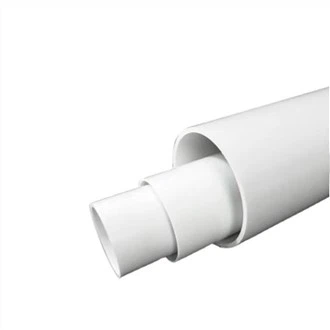
For instance, if you're dealing with a 250mm Drainage Plastic Pipe, the outer diameter should be close to 250mm. A significant deviation from the specified dimensions can affect the pipe's fit and performance. If the wall thickness is too thin, the pipe may not be able to withstand the pressure, while a wall that's too thick can increase the cost without adding much value.
Density Test
HDPE pipes are known for their high density, which gives them strength and durability. You can perform a simple density test to verify the quality of the pipe. One way to do this is by using a density gradient column. This involves placing small samples of the pipe in a column filled with a liquid of varying densities. The samples will float at a level corresponding to their density.
A high-quality HDPE pipe should have a density within the range specified by the industry standards. If the density is too low, it could mean that the pipe contains a lot of additives or impurities, which can compromise its strength and chemical resistance.
Tensile Strength Test
Tensile strength is a measure of how much stress a pipe can withstand before it breaks. To test the tensile strength of an HDPE pipe, you'll need a tensile testing machine. This machine applies a pulling force to the pipe until it fails.
The results of the tensile strength test can tell you a lot about the quality of the pipe. A strong HDPE pipe should have a high tensile strength, which means it can handle a lot of pressure without breaking. If the pipe breaks at a relatively low force, it may not be suitable for applications where high pressure is involved.
Impact Resistance Test
HDPE pipes are often exposed to impacts during installation and use. Therefore, it's important to test their impact resistance. One common method is the Charpy impact test. In this test, a notched sample of the pipe is struck with a pendulum, and the energy absorbed by the sample is measured.
A good-quality HDPE pipe should be able to absorb a significant amount of energy without breaking. If the pipe shatters easily during the impact test, it may not be able to withstand the rigors of real-world applications. For example, in a drainage system, the pipe may be hit by rocks or other debris, and it needs to be able to resist these impacts.
Chemical Resistance Test
HDPE pipes are used in a variety of environments, some of which may contain chemicals. Therefore, it's important to test the pipe's chemical resistance. You can do this by immersing small samples of the pipe in different chemicals for a certain period of time and then observing any changes in the pipe's properties.
For example, if the pipe is going to be used in an agricultural setting where it may come into contact with fertilizers or pesticides, you can test its resistance to these chemicals. A high-quality HDPE pipe should not show any signs of swelling, cracking, or degradation when exposed to the chemicals.
Hydrostatic Pressure Test
The hydrostatic pressure test is one of the most important tests for HDPE pipes, especially those used for water supply. In this test, the pipe is filled with water and pressurized to a specified level for a certain period of time.
During the test, you need to check for any leaks or deformation of the pipe. A good-quality HDPE pipe should be able to withstand the pressure without leaking or deforming. If there are any leaks, it could mean that the pipe has a defect or that the joints are not properly sealed.
Flexural Test
Flexural strength is the ability of a pipe to bend without breaking. To test the flexural strength of an HDPE pipe, you can use a three-point bending test. In this test, the pipe is supported at two points and a load is applied at the center.
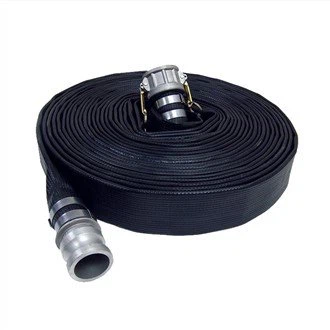
The results of the flexural test can help you determine if the pipe is suitable for applications where it needs to be bent, such as in Garden Drip Irrigation Tubing. A pipe with good flexural strength can be bent to a certain degree without cracking or losing its integrity.
Joint Integrity Test
The joints of HDPE pipes are critical for the overall performance of the system. You need to test the joint integrity to ensure that the joints are strong and leak-proof. One way to do this is by performing a hydrostatic pressure test on the joined pipes.
Another method is to visually inspect the joints for any signs of misalignment, gaps, or improper fusion. If the joints are not properly made, they can be a weak point in the system and may lead to leaks or failures.
Long-Term Performance Prediction
In addition to the above tests, it's also important to consider the long-term performance of HDPE pipes. You can use accelerated aging tests to predict how the pipe will perform over time. These tests involve subjecting the pipe to conditions that simulate long-term exposure to heat, light, and chemicals.
By analyzing the results of these tests, you can get an idea of how the pipe will age and whether it will maintain its performance over its expected service life. This is especially important for applications where the pipe needs to last for many years, such as in a water supply system.
Conclusion
Testing the quality of HDPE pipes is a multi-step process that requires careful attention to detail. By performing these tests, you can ensure that the pipes you're using or supplying are of high quality and will perform well in their intended applications.
If you're in the market for high-quality HDPE pipes or have any questions about the testing process, don't hesitate to reach out. We're here to help you find the right pipes for your needs and ensure that they meet the highest standards of quality. Whether you need a 250mm Drainage Plastic Pipe, Garden Drip Irrigation Tubing, or a Plastic 110mm Hdpe Pipe, we've got you covered. Let's start a conversation and see how we can work together to meet your requirements.
References
- ASTM International. (2023). Standard Test Methods for HDPE Pipes.
- ISO Standards. (2023). International Standards for HDPE Pipe Quality.
- Plastic Pipe Institute. (2023). Technical Guidelines for HDPE Pipe Testing.