Hey there! As a pipes exhaust supplier, I've been getting a lot of questions lately about how pipes exhaust affects an engine's idle quality. So, I thought I'd take the time to break it down for you all.
Let's start with the basics. The exhaust system in a vehicle plays a crucial role in the overall performance of the engine. It's responsible for getting rid of the waste gases produced during the combustion process. When an engine is idling, it's running at a low speed, and the exhaust system has to work just as efficiently as when the engine is running at higher speeds.
One of the main ways a pipes exhaust can affect idle quality is through backpressure. Backpressure is the resistance that the exhaust gases encounter as they try to exit the engine. A certain amount of backpressure is actually beneficial for an engine. It helps to keep the exhaust gases flowing smoothly and can improve low - end torque. However, if the backpressure is too high, it can cause problems at idle.
When there's excessive backpressure, the engine has to work harder to push the exhaust gases out. This can lead to a rough idle, where the engine may shake or vibrate more than usual. The engine might also stall more easily because it's having trouble getting rid of the waste gases. On the other hand, if the backpressure is too low, the engine may run too lean at idle. A lean mixture means there's too much air and not enough fuel, which can also cause a rough idle and poor performance.
The design of the pipes exhaust also matters a great deal. For example, the diameter of the exhaust pipes can have a significant impact on idle quality. If the pipes are too small, they can create excessive backpressure. This is often the case with stock exhaust systems that are designed to meet noise and emission regulations. On the flip side, if the pipes are too large, the exhaust gases may not flow in a smooth and controlled manner. This can disrupt the scavenging effect, which is the process of removing exhaust gases from the cylinders. A disrupted scavenging effect can lead to a build - up of unburned fuel and exhaust gases in the cylinders, resulting in a rough idle.
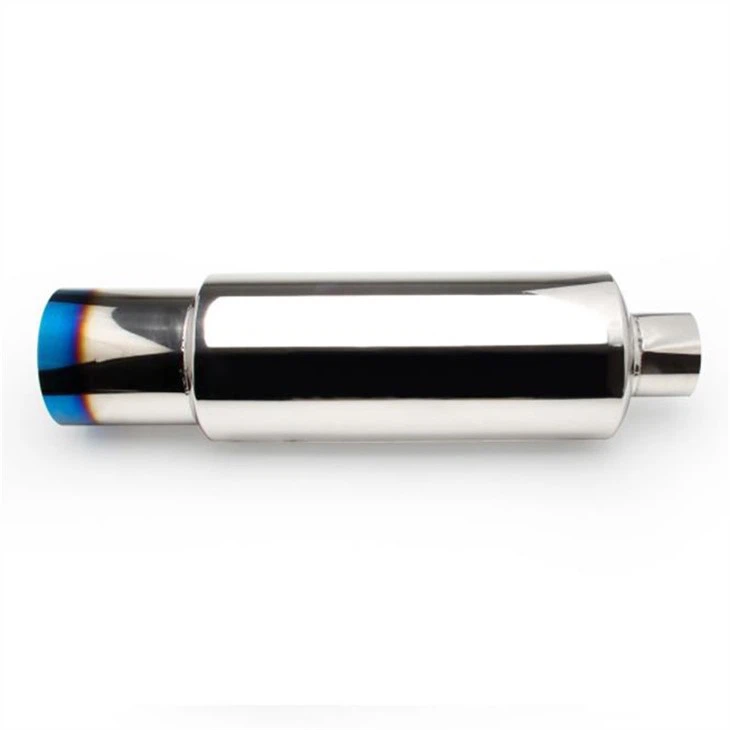
Another factor is the material of the exhaust pipes. Different materials have different properties that can affect how the exhaust system performs at idle. For instance, stainless steel is a popular choice because it's durable and resistant to corrosion. It also has good heat - transfer properties, which can help to keep the exhaust gases flowing smoothly. Titanium is another option, and it's known for being lightweight and having excellent strength - to - weight ratio. You can check out our Car Titanium Exhaust Pipe for more details on this high - performance option.
The muffler in the exhaust system also plays a role in idle quality. A muffler is designed to reduce noise, but it can also affect the flow of exhaust gases. Some mufflers are designed to create a certain amount of backpressure, while others are more focused on reducing noise without adding too much resistance. If a muffler is too restrictive, it can cause high backpressure and a rough idle.
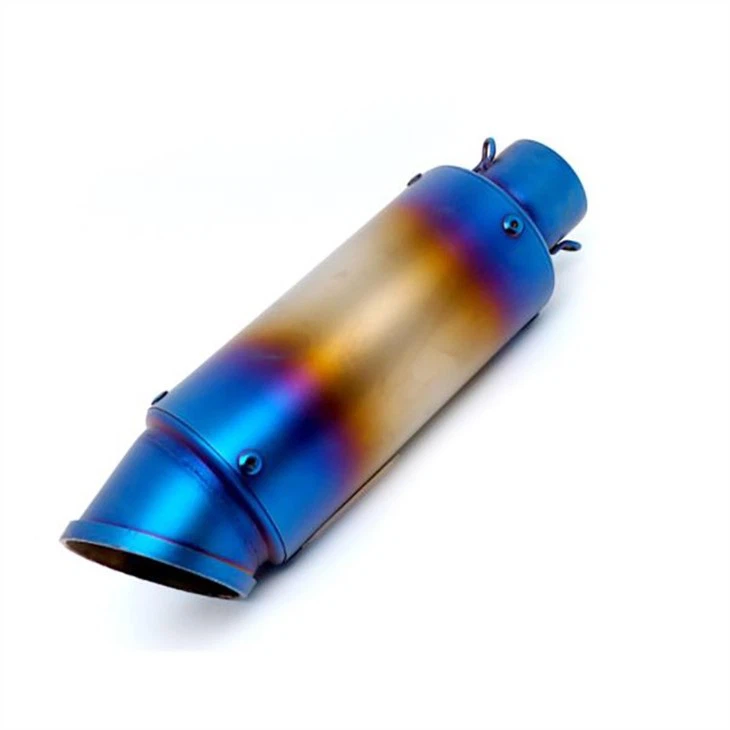
Now, let's talk about motorcycles. Motorcycle exhaust systems are a bit different from car exhaust systems. They're often more compact and designed to fit the specific needs of a motorcycle. The exhaust pipes on a motorcycle can have a big impact on the engine's idle. A well - designed Exaust Pipe Motorcycle can improve the overall performance of the motorcycle, including its idle quality. For example, a properly sized and shaped exhaust pipe can help to maintain the right amount of backpressure, which is essential for a smooth idle.
Automotive tail pipes are also an important part of the exhaust system. They're the visible part of the exhaust system and can add a touch of style to a vehicle. But they also have a functional purpose. The design of the Automotive Tail Pipes can affect the flow of exhaust gases as they exit the vehicle. A poorly designed tail pipe can disrupt the flow, leading to increased backpressure and a rough idle.
So, how can you tell if your pipes exhaust is affecting your engine's idle quality? Well, the most obvious sign is a rough idle. If your engine is shaking, vibrating, or stalling more often than usual when it's idling, it could be a problem with the exhaust system. You might also notice a change in the engine's sound. A rough - sounding idle could indicate that there's an issue with the exhaust flow.
If you suspect that your exhaust system is causing problems with your engine's idle, it's a good idea to have it checked out. As a pipes exhaust supplier, we offer a wide range of high - quality exhaust systems that are designed to improve engine performance, including idle quality. Whether you're looking for a replacement exhaust pipe for your car or a new exhaust system for your motorcycle, we've got you covered.
When you're in the market for a new pipes exhaust, it's important to consider your specific needs. Think about the type of vehicle you have, your driving style, and any performance goals you might have. If you're a performance enthusiast, you might want an exhaust system that's designed to increase power and improve throttle response. If you're more concerned about noise levels, you can look for an exhaust system with a good muffler design.
In conclusion, a pipes exhaust can have a significant impact on an engine's idle quality. From backpressure to pipe diameter, material, and muffler design, there are many factors to consider. If you're experiencing problems with your engine's idle, don't hesitate to reach out to us. We're here to help you find the right exhaust system for your vehicle. Whether you need a simple replacement part or a complete exhaust system upgrade, we can provide you with the solutions you need. So, if you're interested in improving your engine's performance and idle quality, start a conversation with us about your options. We'll work with you to find the best pipes exhaust for your needs.
References
- Automotive Engineering Handbook by Bosch
- Exhaust System Design and Tuning by Larry Carley