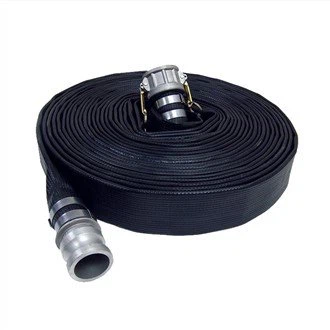
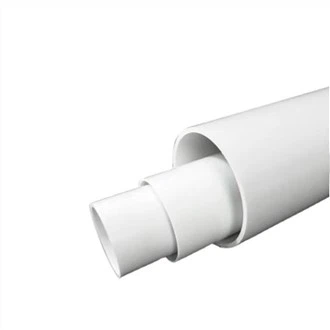
Hey there! I'm an industrial hose supplier, and I know how crucial it is to ensure the integrity of these hoses. Industrial hoses are used in a wide range of applications, from transferring fluids to handling high - pressure gases. A faulty hose can lead to leaks, spills, and even safety hazards. So, in this blog, I'll share some tips on how to test the integrity of an industrial hose.
Visual Inspection
The first step in testing an industrial hose is a good old - fashioned visual inspection. You'd be surprised how many issues can be spotted just by taking a close look.
Start by checking the outer cover of the hose. Look for signs of wear and tear, such as cuts, abrasions, or bulges. A cut in the outer cover can expose the inner layers of the hose, making it more susceptible to damage. Abrasions can weaken the hose over time, and bulges might indicate internal damage or excessive pressure.
Next, examine the fittings. Make sure they are securely attached to the hose. Loose fittings can cause leaks, and if they come off completely, it can be a major safety risk. Check for any signs of corrosion on the fittings, as this can also compromise the integrity of the connection.
Also, look for any signs of discoloration on the hose. Discoloration can be a sign of chemical damage or overheating. For example, if you're using a 4'' Black Nitrile Hose to transfer a certain chemical, and you notice that the hose is changing color, it might be reacting with the fluid.
Pressure Testing
Pressure testing is one of the most important methods to test the integrity of an industrial hose. It helps you determine if the hose can withstand the pressure it's designed for.
There are two main types of pressure testing: hydrostatic testing and pneumatic testing.
Hydrostatic Testing
Hydrostatic testing involves filling the hose with a liquid, usually water, and then applying pressure. This method is preferred for many industrial applications because water is relatively incompressible, which means it can accurately simulate the pressure conditions the hose will face in real - world use.
To perform a hydrostatic test, you first need to seal both ends of the hose and connect it to a pressure source. Then, slowly fill the hose with water until it's completely full. Next, gradually increase the pressure to the test pressure specified for the hose. Keep the pressure at this level for a certain period, usually around 10 - 30 minutes, and observe for any signs of leakage or deformation.
If you notice any drops in pressure during the test, it could indicate a leak. Also, look for any bulges or swelling in the hose, as this could mean the hose is not able to handle the pressure.
Pneumatic Testing
Pneumatic testing, on the other hand, uses air or gas to test the hose. This method is often used when hydrostatic testing is not practical, such as when the hose is part of a system that cannot be filled with water.
However, pneumatic testing is more dangerous than hydrostatic testing because air or gas is compressible. If there is a sudden failure in the hose during a pneumatic test, it can cause a violent explosion. So, extra precautions need to be taken when performing this type of test.
Similar to hydrostatic testing, you seal the ends of the hose and connect it to a pressure source. Then, you gradually increase the pressure to the test pressure and hold it for the specified time. Watch for any pressure drops or signs of damage.
Flow Testing
Flow testing is another important aspect of testing the integrity of an industrial hose. It helps you ensure that the hose can transfer the fluid or gas at the required rate.
To perform a flow test, you need to set up a system where you can measure the flow rate of the fluid or gas through the hose. You can use a flow meter for this purpose.
First, connect the hose to the flow - measuring system and start the flow of the fluid or gas. Measure the flow rate at different points along the hose to make sure it's consistent. If you notice a significant drop in the flow rate at a certain point, it could indicate a blockage or restriction in the hose.
For example, if you're using a Fuel Hose Gasoline to transfer gasoline, a low flow rate could mean there's a clog in the hose, which can affect the performance of the equipment it's connected to.
Chemical Compatibility Testing
If the industrial hose is going to be used to transfer chemicals, it's essential to test its chemical compatibility. A hose that is not compatible with the chemical it's carrying can degrade quickly, leading to leaks and other problems.
To test chemical compatibility, you can take a small sample of the hose material and immerse it in the chemical for a certain period. Observe the sample for any signs of swelling, cracking, or discoloration. You can also measure the change in the physical properties of the sample, such as its hardness or tensile strength.
If you're using a High Pressure Fuel Hose to transfer a high - octane fuel, you need to make sure the hose material can withstand the chemical properties of the fuel without deteriorating.
Flexibility Testing
Industrial hoses often need to be flexible to be installed and used in different applications. Flexibility testing helps you ensure that the hose can bend and move without losing its integrity.
To perform a flexibility test, you can bend the hose at different angles and observe for any signs of cracking or damage. You can also measure the force required to bend the hose to a certain angle. If the hose is too stiff, it can be difficult to install and may be more prone to damage during use.
Regular Maintenance and Retesting
Testing the integrity of an industrial hose is not a one - time thing. Regular maintenance and retesting are essential to ensure the long - term performance of the hose.
Set up a maintenance schedule for your hoses. This could include visual inspections on a weekly or monthly basis, and more comprehensive tests like pressure and flow testing every few months or years, depending on the usage and the type of hose.
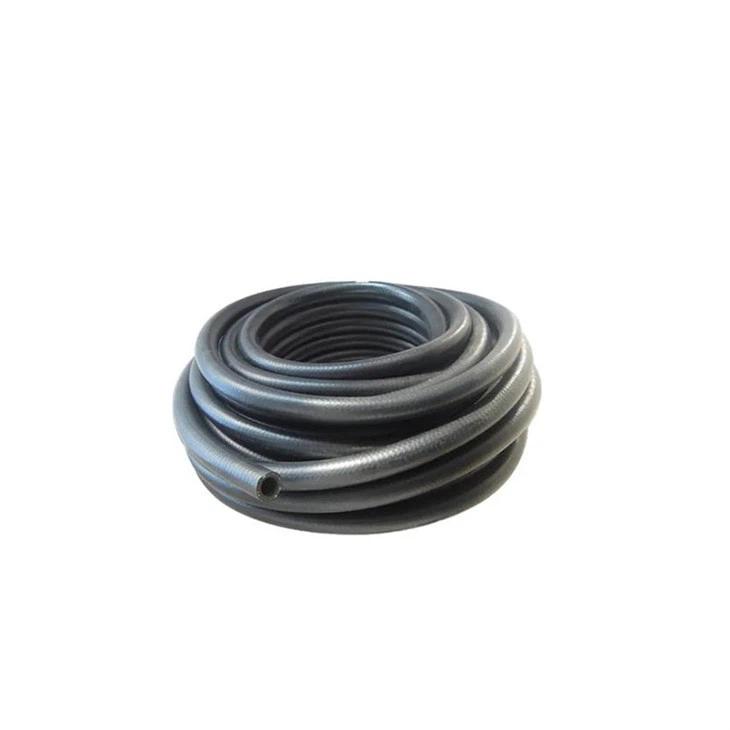
By regularly testing and maintaining your industrial hoses, you can catch any potential problems early and prevent costly breakdowns and safety incidents.

Conclusion
Testing the integrity of an industrial hose is a multi - step process that involves visual inspection, pressure testing, flow testing, chemical compatibility testing, and flexibility testing. Each of these tests plays a crucial role in ensuring that the hose can perform its intended function safely and effectively.
As an industrial hose supplier, I'm here to help you choose the right hose for your application and provide you with all the information you need to test and maintain it. If you're in the market for high - quality industrial hoses or have any questions about hose testing, don't hesitate to reach out. We can have a detailed discussion about your specific requirements and how we can meet them. Let's work together to ensure your operations run smoothly with reliable industrial hoses.
References
- "Industrial Hose Handbook" by various industry experts
- Manufacturer's guidelines for industrial hoses
- Industry standards and regulations related to industrial hose testing