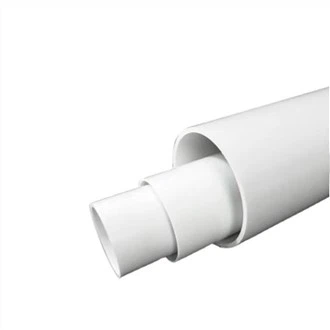
Hey there! As a PVC pipe supplier, I've seen firsthand how important it is to store these pipes properly. PVC pipes are versatile and widely used in various applications, from plumbing to construction. But if they're not stored right, they can get damaged, which means a loss for both you and me. So, let's dive into how to store PVC pipes the right way.
Choose the Right Location
First things first, you need to pick the right spot to store your PVC pipes. A dry and well - ventilated area is a must. Moisture can be a real pain for PVC pipes. It can lead to the growth of mold and mildew, which not only looks bad but can also weaken the pipes over time.
Indoor storage is ideal. A warehouse or a shed is great because it protects the pipes from the elements. If you have to store them outdoors, make sure they're covered with a waterproof tarp. But even then, outdoor storage should be a last resort.
Another thing to consider is the temperature. PVC pipes should be stored in an area where the temperature doesn't fluctuate too much. Extreme heat can cause the pipes to warp, while extreme cold can make them brittle. A stable temperature between 50°F and 90°F (10°C and 32°C) is best.
Keep Them Clean
Before you store your PVC pipes, make sure they're clean. Any dirt, debris, or chemicals on the pipes can cause damage during storage. You can use a mild soap and water solution to clean the pipes. Just give them a good wipe down, and rinse them thoroughly.
If the pipes have any stubborn stains or residues, you can use a specialized PVC cleaner. But be careful not to use any abrasive cleaners or tools, as they can scratch the surface of the pipes. A scratched pipe is more likely to develop cracks and leaks later on.
Stacking and Support
When it comes to stacking PVC pipes, there are a few rules you should follow. First, don't stack them too high. Over - stacking can put too much pressure on the bottom pipes, causing them to deform or break. A good rule of thumb is to stack the pipes no more than 10 feet high.
You also need to make sure the pipes are properly supported. Use pallets or racks to keep the pipes off the ground. This helps prevent damage from moisture and pests. When stacking the pipes, arrange them in a way that they're stable. You can stack them in a criss - cross pattern to increase stability.
Protect from UV Rays
UV rays from the sun can be really harmful to PVC pipes. They can cause the pipes to degrade, making them weaker and more prone to cracking. If you're storing the pipes outdoors or in an area with a lot of sunlight, you need to protect them from UV rays.
You can use UV - resistant covers or paints to protect the pipes. There are also some PVC pipes that come with built - in UV protection. If you're in the market for new pipes, check out Plastic Upvc Pipes. They offer good quality pipes with UV - resistant properties.
Separate Different Sizes and Types
It's a good idea to separate different sizes and types of PVC pipes when storing them. This makes it easier to find the pipes you need when you're ready to use them. It also helps prevent damage. For example, if you stack small pipes on top of large ones, the small pipes can get crushed.
You can use dividers or separate storage areas for different sizes and types of pipes. Label each storage area clearly so you know exactly what's in each one.
Check Regularly
Even if you've stored your PVC pipes properly, it's still a good idea to check them regularly. Look for any signs of damage, such as cracks, warping, or mold growth. If you notice any problems, take action right away.
Regular checks also help you identify any issues with the storage conditions. For example, if you notice that the pipes are starting to warp, it could be a sign that the temperature is too high. You can then adjust the storage conditions to prevent further damage.


Handling During Storage
When moving or handling the PVC pipes during storage, be careful. Avoid dropping or banging the pipes, as this can cause damage. Use proper lifting equipment, such as forklifts or hoists, to move the pipes.
If you need to cut the pipes before storage, make sure you use the right tools and techniques. A clean, straight cut is important to prevent damage to the pipe ends.
Long - Term Storage
If you're planning to store the PVC pipes for a long time, there are a few additional things you need to consider. You may need to apply a protective coating to the pipes to prevent corrosion. You also need to make sure the storage area is secure to prevent theft or vandalism.
For long - term storage, you might want to consider storing the pipes in a climate - controlled environment. This helps maintain the quality of the pipes over time.
Conclusion
Storing PVC pipes properly is crucial to ensure their quality and longevity. By following these tips, you can keep your pipes in great condition and avoid costly damages. Whether you're a contractor, a DIY enthusiast, or just someone who needs to store PVC pipes for a project, these guidelines will help you do it right.
If you're looking for high - quality PVC pipes, we've got you covered. We offer a wide range of PVC pipes, including Hard 48 Inch Diameter Pvc Pipe and Hard 18 Inch Diameter Pvc Pipe. If you're interested in purchasing our PVC pipes or have any questions about storage or usage, feel free to reach out. We're always happy to help you with your PVC pipe needs.
References
- "PVC Pipe Installation Guide", PVC Pipe Association
- "Best Practices for PVC Pipe Storage", Construction Materials Journal