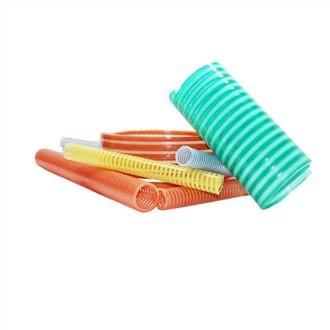
Vacuum tubing is an essential component in a wide range of industries, from laboratory research to automotive engineering. One of the critical aspects of working with vacuum tubing is properly sealing its ends to ensure an airtight and efficient system. As a trusted Vacuum Tubing supplier, we understand the importance of this process and are here to share some effective methods with you.
Understanding the Importance of Sealing Vacuum Tubing Ends
Before delving into the sealing methods, it's crucial to understand why proper sealing is so important. A well - sealed vacuum tubing end prevents air leakage, which can significantly affect the performance of the vacuum system. Leaks can lead to reduced vacuum levels, increased energy consumption, and inaccurate experimental results in laboratory settings. In automotive applications, air leaks in vacuum tubing can cause engine performance issues and even lead to safety hazards.
Different Types of Vacuum Tubing and Their Sealing Requirements
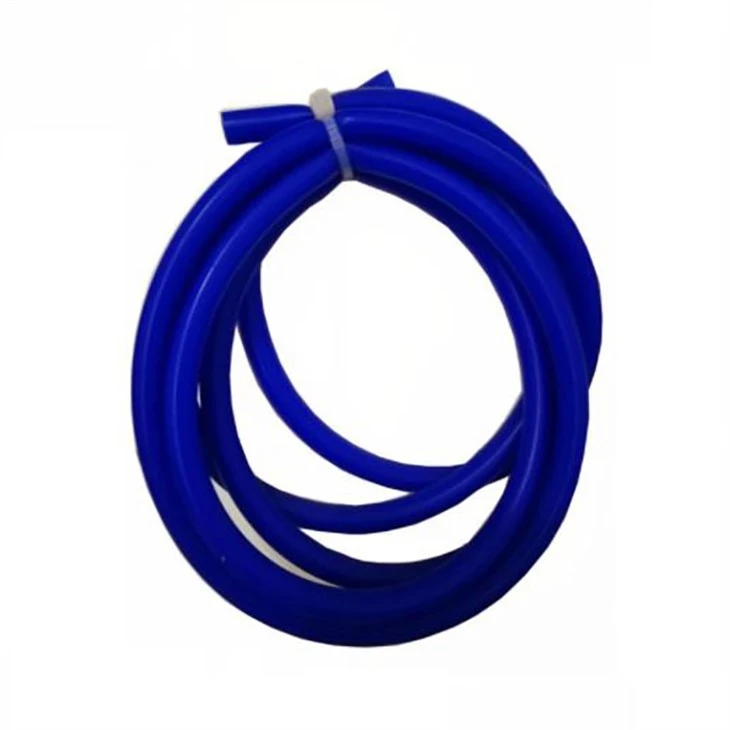
We offer a variety of vacuum tubing products, such as Heat Resistant Silicone Rubber Vacuum Hose, Heat Resistant Vacuum Hose, and Silicone Auto Vacuum Hose. Each type of tubing has its own unique properties and sealing requirements.
- Silicone Rubber Vacuum Tubing: This type of tubing is known for its flexibility, heat resistance, and chemical compatibility. When sealing silicone rubber vacuum tubing, it's important to use a sealing method that won't damage the tubing material.
- Heat Resistant Vacuum Tubing: As the name suggests, this tubing is designed to withstand high temperatures. Sealing methods for heat - resistant tubing need to maintain their integrity under elevated temperatures.
- Silicone Auto Vacuum Tubing: Used in automotive applications, this tubing must be able to withstand vibrations, engine heat, and various chemicals. The sealing method should be durable and reliable to ensure long - term performance.
Methods for Sealing Vacuum Tubing Ends
1. Using Vacuum Fittings
Vacuum fittings are a popular choice for sealing the ends of vacuum tubing. These fittings come in various shapes and sizes, such as straight connectors, elbows, and tees. They are typically made of materials like stainless steel, brass, or plastic, which are compatible with different types of vacuum tubing.
- Installation Process:
- First, measure the inner diameter of the vacuum tubing accurately. Select a fitting with the appropriate outer diameter to ensure a snug fit.
- Slide the fitting onto the end of the tubing. You may need to use a lubricant, such as silicone grease, to make the installation easier and to improve the seal.
- Secure the fitting in place using a hose clamp or a compression nut, depending on the type of fitting. Tighten the clamp or nut carefully to avoid over - tightening, which could damage the tubing.
2. Heat Sealing
Heat sealing is a common method for sealing the ends of certain types of vacuum tubing, especially plastic and rubber tubing. This method creates a permanent seal by melting the tubing material at the end.
- Procedure:
- Use a heat source, such as a heat gun or a soldering iron with a wide tip. Set the heat source to an appropriate temperature for the tubing material.
- Slowly heat the end of the tubing while rotating it to ensure even heating. As the tubing material begins to soften, press the end together to seal it.
- Be careful not to overheat the tubing, as this can cause it to deform or release harmful fumes.
3. Adhesive Sealing
Adhesive sealing can be used to seal the ends of vacuum tubing, especially when a flexible or permanent seal is required. There are different types of adhesives available, such as silicone adhesives, epoxy adhesives, and rubber - based adhesives.
- Steps:
- Clean the end of the tubing thoroughly to remove any dirt, grease, or debris. This will ensure good adhesion.
- Apply a thin layer of adhesive to the end of the tubing. Make sure to cover the entire surface that will be sealed.
- Press the end of the tubing together or attach a cap or plug, depending on the sealing requirements. Allow the adhesive to cure according to the manufacturer's instructions.
4. Using O - Rings
O - rings are circular seals made of rubber or other elastomeric materials. They can be used to create a reliable seal between the vacuum tubing and a fitting or a port.
- How to Use:
- Select an O - ring with the appropriate size and material for the application. The O - ring should fit snugly around the end of the tubing or inside a groove in the fitting.
- Lubricate the O - ring with a compatible lubricant to reduce friction and improve the seal.
- Place the O - ring in the correct position and assemble the tubing and fitting. Tighten the connection to compress the O - ring and create a seal.
Factors to Consider When Sealing Vacuum Tubing Ends
- Material Compatibility: Ensure that the sealing method and materials used are compatible with the vacuum tubing material. For example, some adhesives may not be suitable for certain types of rubber tubing.
- Vacuum Level Requirements: Different applications require different vacuum levels. The sealing method should be able to maintain the required vacuum level without leaks.
- Temperature and Chemical Resistance: Consider the operating temperature and the chemicals that the tubing will be exposed to. Choose a sealing method that can withstand these conditions.
- Ease of Installation and Maintenance: The sealing method should be easy to install and, if necessary, easy to disassemble for maintenance or replacement.
Troubleshooting Common Sealing Issues
Even with the best sealing methods, issues may arise. Here are some common problems and their solutions:
- Leaks: If you detect a leak, first check the tightness of the fittings or the integrity of the seal. If the problem persists, the tubing may be damaged, and you may need to replace it.
- Poor Seal Quality: This could be due to improper installation, such as over - tightening or under - tightening of fittings. Make sure to follow the installation instructions carefully.
- Adhesive Failure: If the adhesive seal fails, it could be because the surface was not properly cleaned or the adhesive was not compatible with the tubing material. Clean the surface thoroughly and choose a more suitable adhesive.
Conclusion
Properly sealing the ends of vacuum tubing is a crucial step in ensuring the efficient and reliable operation of vacuum systems. As a Vacuum Tubing supplier, we offer a wide range of high - quality tubing products and can provide expert advice on the best sealing methods for your specific application. Whether you need Heat Resistant Silicone Rubber Vacuum Hose, Heat Resistant Vacuum Hose, or Silicone Auto Vacuum Hose, we have the solutions you need.

If you have any questions about vacuum tubing or sealing methods, or if you are interested in purchasing our products, please feel free to contact us for a detailed discussion and procurement negotiation. We look forward to serving you and helping you find the best vacuum tubing solutions for your needs.
References
- "Handbook of Vacuum Technology" by O'Hanlon, John F.
- "Vacuum Technology: A Practical Guide" by Pfeiffer Vacuum.