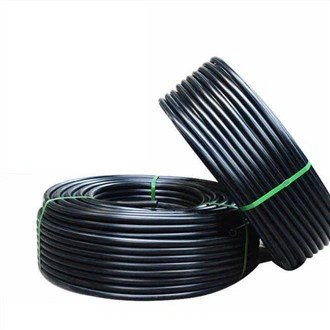
When it comes to maintaining a fish pond, ensuring optimal water quality is of utmost importance. As a dedicated PVC Garden Hose supplier, I understand the critical role that high - quality hoses play in this process. In this blog post, I will share some valuable insights on how to ensure water quality when using a PVC garden hose in a fish pond.
1. Selecting the Right PVC Garden Hose
The first step in ensuring water quality is choosing the appropriate PVC garden hose. Not all hoses are created equal, and some may contain harmful chemicals that can leach into the pond water.
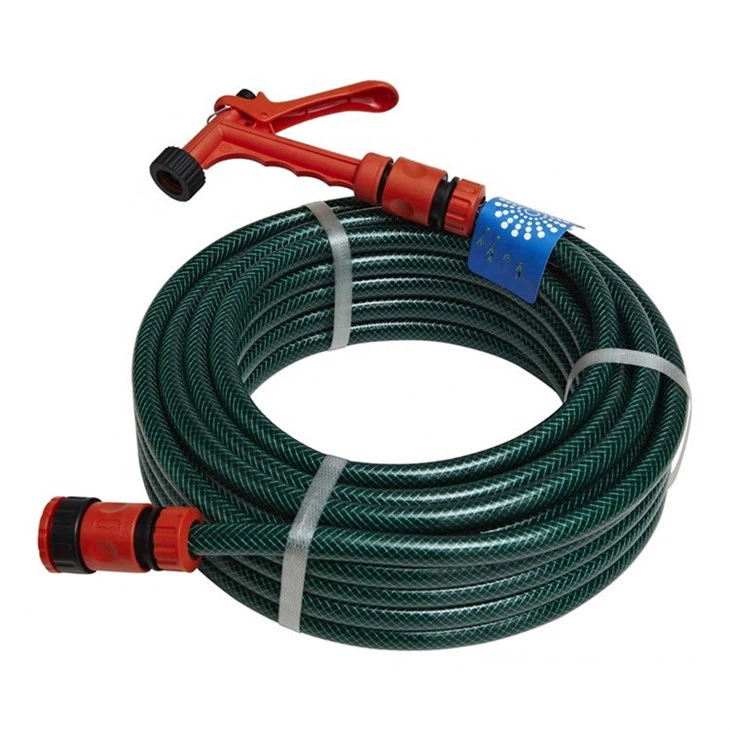
- Food - Grade or Fish - Safe Materials: Look for hoses that are made from food - grade or fish - safe PVC materials. These hoses are designed to be non - toxic and do not release harmful substances into the water. For example, our 15 Foot Garden Hose is crafted from high - quality, fish - safe PVC, ensuring that it won't contaminate your fish pond.
- UV Resistance: Ponds are often exposed to sunlight, and UV rays can degrade the PVC material over time, potentially releasing harmful compounds. A UV - resistant hose will last longer and maintain its integrity, preventing any chemical leaching. Our Pvc Green Braided Hose Pipe is equipped with excellent UV resistance, making it a great choice for outdoor fish ponds.
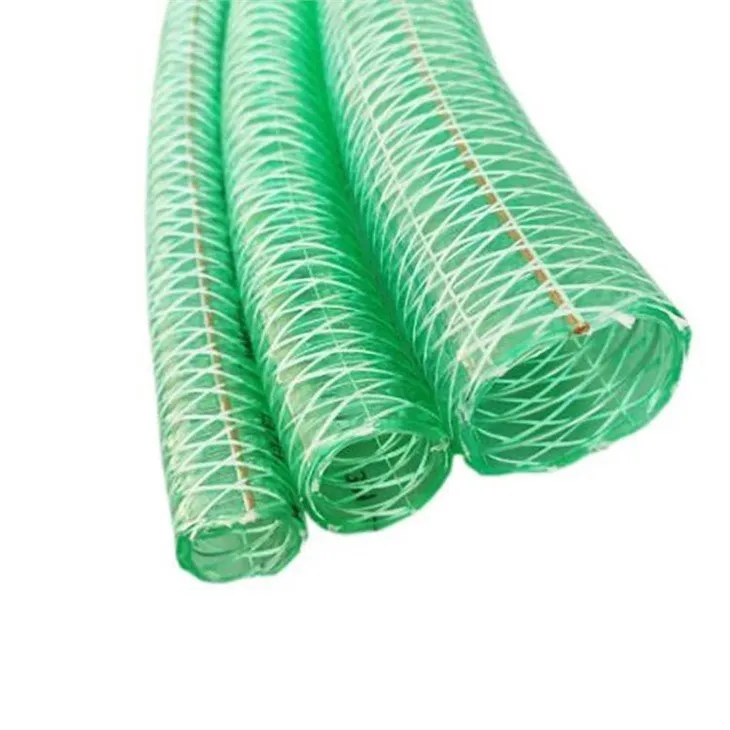
- Reinforcement: A reinforced hose is more durable and less likely to kink or burst. This is important because a damaged hose can introduce dirt, debris, or even bacteria into the pond water. Our PVC and Textile Hybrid Hose combines the flexibility of PVC with the strength of textile reinforcement, providing long - term reliability.
2. Pre - Use Preparation
Once you have selected the right PVC garden hose, proper pre - use preparation is essential to ensure water quality.
- Flushing the Hose: Before connecting the hose to your fish pond, it is crucial to flush it thoroughly. New hoses may contain manufacturing residues, such as lubricants or cleaning agents, which can be harmful to fish. Run water through the hose for at least 10 - 15 minutes, or until the water runs clear. This will remove any potential contaminants.
- Inspecting for Damage: Carefully examine the hose for any signs of damage, such as cuts, cracks, or holes. Even a small defect can allow dirt and bacteria to enter the pond water. If you find any damage, replace the hose immediately.
3. Routine Maintenance
Regular maintenance of the PVC garden hose is vital to keep the fish pond water clean and healthy.
- Cleaning the Hose: Periodically clean the hose to remove any dirt, algae, or other debris that may have accumulated inside. You can use a mild detergent and a long - handled brush to scrub the inside of the hose. Rinse it thoroughly with clean water before using it again.
- Proper Storage: When not in use, store the hose properly. Avoid leaving it in direct sunlight or extreme temperatures, as this can damage the PVC material. Coil the hose neatly and store it in a cool, dry place. This will extend the lifespan of the hose and prevent any degradation that could affect water quality.
- Checking for Blockages: Regularly check the hose for blockages. A blocked hose can reduce water flow and cause water to stagnate, which can lead to the growth of harmful bacteria. If you notice a decrease in water pressure or a blockage, use a pipe cleaner or a small brush to clear the obstruction.
4. Water Source Considerations
The quality of the water source used with the PVC garden hose also has a significant impact on the water quality in the fish pond.
- Testing the Water: Before filling the pond with water from the hose, test the water source. This will help you identify any potential contaminants, such as heavy metals, chlorine, or pesticides. If the water contains high levels of chlorine, you can use a water conditioner to neutralize it.
- Using Filtered Water: If possible, use filtered water to fill the fish pond. A water filter can remove impurities and improve the overall quality of the water. This is especially important if your water source has a high level of contaminants.
5. Monitoring Water Quality
Regularly monitoring the water quality in your fish pond is essential to ensure the health of your fish.
- Testing Parameters: Use a water testing kit to measure important parameters, such as pH, ammonia, nitrite, and nitrate levels. These parameters can indicate the overall health of the pond water. If any of these levels are outside the acceptable range, take appropriate measures to correct them.
- Observing Fish Behavior: Pay attention to the behavior of your fish. If they appear lethargic, gasping for air, or have abnormal swimming patterns, it could be a sign of poor water quality. In such cases, immediately check the water parameters and take steps to improve the water quality.
In conclusion, ensuring water quality when using a PVC garden hose in a fish pond requires careful selection of the hose, proper pre - use preparation, routine maintenance, consideration of the water source, and regular monitoring of water quality. As a PVC Garden Hose supplier, I am committed to providing high - quality products that meet the needs of fish pond owners. If you are interested in purchasing our PVC garden hoses or have any questions about maintaining water quality in your fish pond, please feel free to contact us for further discussion and procurement negotiation.
References
- "The Complete Guide to Fish Pond Maintenance" by Pond Experts Inc.
- "Water Quality Management in Aquaculture" by Aquatic Research Institute.