Hey there! As a supplier of PVC spiral hoses, I've seen my fair share of issues when it comes to ensuring a smooth flow through these hoses. In this blog, I'm gonna share some tips and tricks that I've picked up over the years to help you keep things running smoothly.
First off, let's talk about the basics. PVC spiral hoses are used in a wide range of applications, from industrial to residential. They're known for their flexibility, durability, and resistance to chemicals and abrasion. But to ensure a smooth flow, there are a few things you need to keep in mind.
Hose Selection
The first step in ensuring a smooth flow is choosing the right hose for the job. You need to consider factors like the type of fluid or gas you'll be transporting, the pressure and temperature requirements, and the environment in which the hose will be used. For example, if you're dealing with a high-pressure application, you'll need a hose that can handle the pressure without bursting. On the other hand, if you're using the hose in a corrosive environment, you'll need a hose that's resistant to chemicals.
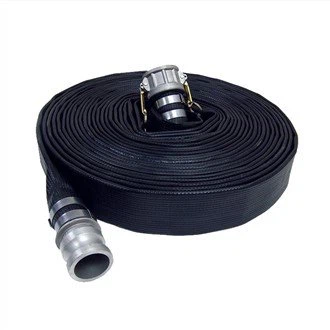
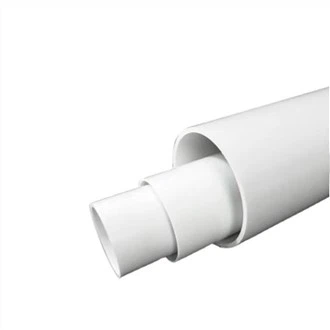
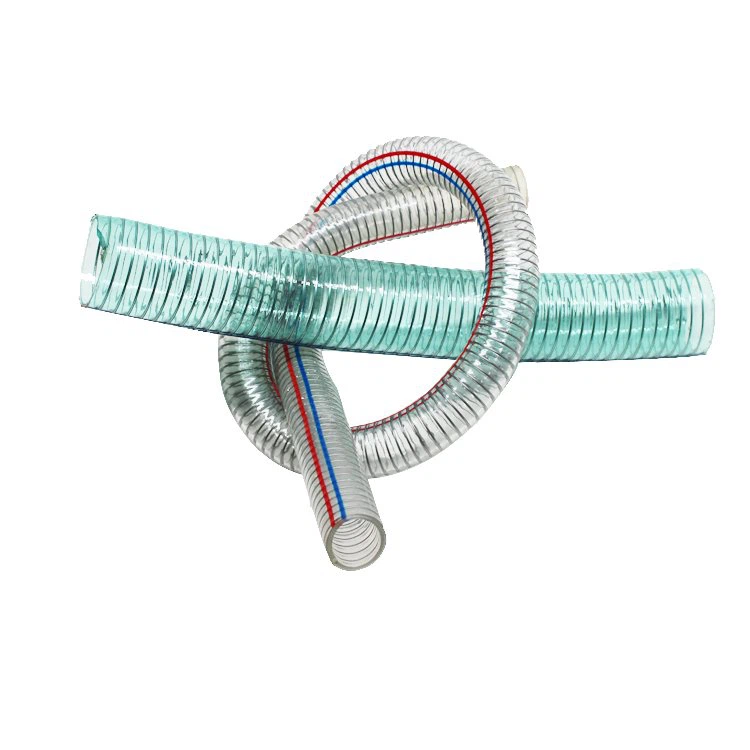
We offer a variety of PVC spiral hoses to meet different needs. For instance, our 6 Inch Suction Hose Pipe is great for applications where you need to suck in large volumes of fluid. It has a large diameter and is designed to handle high flow rates. Our PVC Spring Wire Hose Pipe is another popular option. It's flexible and can be easily bent without kinking, which helps to maintain a smooth flow. And our PVC Wire Steel Hose is strong and durable, making it suitable for heavy-duty applications.
Proper Installation
Once you've chosen the right hose, the next step is to install it properly. Improper installation can lead to kinks, bends, and restrictions in the hose, which can disrupt the flow. Here are some tips for proper installation:
- Avoid sharp bends: When installing the hose, try to avoid making sharp bends. Sharp bends can cause the hose to kink, which will reduce the flow rate. Instead, make gradual bends using elbow fittings or other connectors.
- Use the right connectors: Make sure you use the right connectors for your hose. Using the wrong connectors can lead to leaks and other problems. The connectors should be compatible with the hose and the equipment you're using.
- Secure the hose: Make sure the hose is securely fastened to the equipment. Loose hoses can vibrate and move around, which can cause damage to the hose and disrupt the flow. Use clamps or other fasteners to keep the hose in place.
Regular Maintenance
Regular maintenance is essential for ensuring a smooth flow in your PVC spiral hose. Here are some maintenance tips:
- Inspect the hose regularly: Check the hose for signs of wear and tear, such as cracks, holes, or abrasions. If you notice any damage, replace the hose immediately.
- Clean the hose: Over time, dirt, debris, and other contaminants can build up inside the hose, which can reduce the flow rate. Clean the hose regularly using a mild detergent and water. You can also use a hose cleaning brush to remove stubborn dirt.
- Store the hose properly: When not in use, store the hose in a cool, dry place. Avoid exposing the hose to direct sunlight or extreme temperatures, as this can cause the hose to deteriorate.
Pressure and Flow Rate Considerations
It's important to understand the pressure and flow rate requirements of your application. If the pressure is too high, it can cause the hose to burst. On the other hand, if the pressure is too low, the flow rate will be reduced. Here are some things to keep in mind:
- Know the pressure rating: Every PVC spiral hose has a maximum pressure rating. Make sure you don't exceed this rating when using the hose. You can find the pressure rating on the hose label or in the product specifications.
- Calculate the flow rate: The flow rate of a hose depends on several factors, such as the diameter of the hose, the length of the hose, and the pressure. You can use a flow rate calculator to determine the appropriate flow rate for your application.
- Adjust the pressure and flow rate: If you need to adjust the pressure or flow rate, use a pressure regulator or a flow control valve. These devices can help you maintain a consistent pressure and flow rate.
Compatibility with Fluids and Gases
Not all PVC spiral hoses are compatible with all fluids and gases. Some fluids and gases can react with the PVC material, causing it to degrade or become brittle. Before using the hose with a particular fluid or gas, make sure it's compatible. You can check the hose manufacturer's specifications or consult with a chemical engineer.

Troubleshooting
Even if you follow all the above tips, you may still encounter problems with the flow in your PVC spiral hose. Here are some common problems and their solutions:
- Kinking: If the hose is kinked, try straightening it out. You can also use a heat gun to soften the hose and make it more flexible.
- Clogging: If the hose is clogged, try flushing it out with water or a cleaning solution. You can also use a hose cleaning brush to remove the clog.
- Leaking: If the hose is leaking, check the connectors and clamps. Make sure they're tightened properly. If the leak persists, you may need to replace the hose or the connector.
In conclusion, ensuring a smooth flow in a PVC spiral hose requires careful selection, proper installation, regular maintenance, and an understanding of the pressure and flow rate requirements. By following these tips, you can keep your hose running smoothly and avoid costly downtime.
If you're in the market for a PVC spiral hose or have any questions about our products, feel free to reach out to us. We're here to help you find the right hose for your needs and ensure that it works properly. Let's have a chat and see how we can work together to solve your hose-related problems.
References
- Various industry manuals on PVC hoses and fluid dynamics.
- Manufacturer's specifications for PVC spiral hoses.