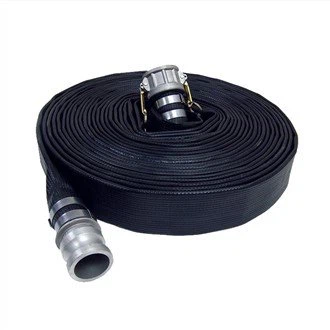
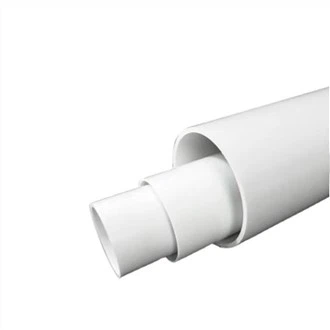
As a seasoned HDPE pipes supplier, I've witnessed firsthand the remarkable versatility and durability of these pipes. HDPE, or High - Density Polyethylene, pipes have become a staple in various industries, from water supply and irrigation to drainage and sewage systems. However, ensuring their long - term performance is crucial for both our customers and the overall success of projects. In this blog, I'll share some key strategies to guarantee that HDPE pipes maintain their functionality and integrity over an extended period.
1. Quality Material Selection
The foundation of long - term performance starts with the raw material. At our company, we are meticulous about sourcing high - grade HDPE resin. The quality of the resin directly impacts the pipe's mechanical properties, such as its tensile strength, impact resistance, and chemical resistance.
HDPE resins with a high density and a well - controlled molecular structure offer better performance. For instance, a resin with a narrow molecular weight distribution tends to have more consistent properties throughout the pipe wall. This uniformity is essential for withstanding internal and external pressures without developing weak spots.


When selecting a resin, we also consider its resistance to environmental stress cracking (ESC). ESC can occur when the pipe is exposed to certain chemicals or stress over time, leading to the formation of cracks. By choosing a resin with good ESC resistance, we can significantly extend the lifespan of the HDPE pipes. You can find more information about our high - quality HDPE pipes at Plastic Pipes Hdpe.
2. Precise Manufacturing Process
The manufacturing process of HDPE pipes is another critical factor in ensuring long - term performance. We use state - of - the - art extrusion technology to produce pipes with uniform wall thickness and smooth inner and outer surfaces.
During the extrusion process, precise temperature and pressure control are essential. If the temperature is too high, the resin may degrade, reducing the pipe's strength. On the other hand, if the temperature is too low, the resin may not melt properly, resulting in poor fusion and weak joints.
We also pay close attention to the cooling process. Rapid and uniform cooling helps to set the molecular structure of the HDPE, enhancing its mechanical properties. After extrusion, the pipes undergo a series of quality control checks, including dimensional inspections, pressure tests, and impact tests. Only pipes that meet our strict quality standards are released to the market. Our HDPE Plastic Irrigation Pipe is a prime example of our commitment to precision manufacturing.
3. Proper Installation
Even the highest - quality HDPE pipes can fail if they are not installed correctly. Proper installation is crucial for ensuring the long - term performance of the pipes.
First, the installation site should be carefully prepared. The trench for the pipes should be excavated to the correct depth and width, and the bottom should be level and free of sharp objects that could damage the pipes.
When joining HDPE pipes, we recommend using heat fusion or mechanical joints. Heat fusion creates a strong, leak - proof bond by melting the pipe ends and fusing them together. This method ensures a continuous, homogeneous pipe system that can withstand high pressures and environmental stresses. Mechanical joints, on the other hand, are suitable for certain applications where quick installation is required. However, it's important to follow the manufacturer's instructions carefully when using mechanical joints to ensure a proper seal.
During installation, the pipes should be supported at regular intervals to prevent sagging and stress concentration. Adequate backfilling is also essential to protect the pipes from external forces and to provide stability.
4. Regular Maintenance
Regular maintenance is key to the long - term performance of HDPE pipes. Although HDPE pipes are known for their durability, they are not immune to damage or wear over time.
Inspecting the pipes periodically can help to detect any signs of damage, such as cracks, leaks, or deformation. Visual inspections can be complemented with non - destructive testing methods, such as ultrasonic testing or pressure testing, to identify internal defects.
If any damage is detected, it should be repaired promptly. Minor cracks can often be repaired using HDPE repair kits, while more severe damage may require the replacement of a section of the pipe.
In addition to inspections and repairs, it's important to keep the pipes clean. Accumulation of debris, sediment, or chemical deposits inside the pipes can reduce their flow capacity and increase the risk of corrosion. Regular flushing or cleaning of the pipes can help to maintain their efficiency.
5. Environmental Considerations
HDPE pipes are generally resistant to a wide range of environmental conditions. However, extreme temperatures, UV radiation, and exposure to certain chemicals can affect their performance over time.
In areas with high temperatures, the pipes may expand, which can lead to stress on the joints and supports. To mitigate this, expansion joints can be installed at regular intervals to allow for thermal movement.
UV radiation can cause the outer layer of the HDPE pipes to degrade, reducing their strength and appearance. To protect the pipes from UV damage, we offer pipes with UV stabilizers. These stabilizers absorb and dissipate UV radiation, preventing it from penetrating the pipe wall.
When the pipes are exposed to chemicals, it's important to ensure that the HDPE resin used is compatible with the chemicals. Some chemicals can cause swelling, softening, or degradation of the HDPE. Before installing the pipes in a chemical - rich environment, a chemical compatibility test should be conducted. Our HDPE 6 Inch Corrugated Drainage Pipe is designed to withstand a variety of environmental conditions.
6. Training and Education
Providing training and education to our customers is an important part of ensuring the long - term performance of our HDPE pipes. We offer installation training programs to contractors and installers, teaching them the proper techniques for handling, joining, and installing our pipes.
We also provide educational materials, such as manuals and technical guides, to help our customers understand the properties and requirements of HDPE pipes. By empowering our customers with knowledge, we can ensure that they make informed decisions about the use and maintenance of our products.
Conclusion
Ensuring the long - term performance of HDPE pipes requires a comprehensive approach that includes quality material selection, precise manufacturing, proper installation, regular maintenance, environmental considerations, and training and education. As a trusted HDPE pipes supplier, we are committed to providing our customers with high - quality products and the support they need to ensure the success of their projects.
If you are interested in purchasing HDPE pipes for your next project, we invite you to contact us for a detailed discussion. Our team of experts is ready to assist you in selecting the right pipes and providing you with all the necessary information and support.
References
- ASTM International. (Year). Standard Specification for High - Density Polyethylene (HDPE) Corrugated Drainage Pipe, Fittings, and Connectors.
- Plastics Pipe Institute. (Year). Handbook of Polyethylene Pipe.
- Water Research Center. (Year). Guidelines for the Design and Installation of HDPE Pipes in Water Supply Systems.