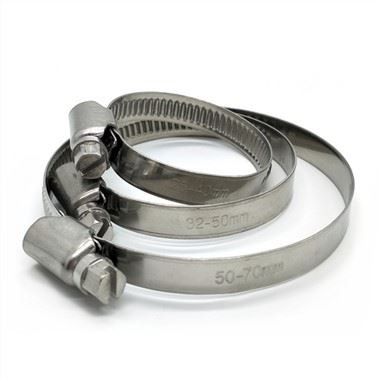
Ensuring the compatibility of an industrial hose with the fluid it transports is crucial for the safe and efficient operation of any industrial system. As an industrial hose supplier, I understand the importance of this aspect and have dealt with numerous scenarios where hose - fluid incompatibility led to system failures, safety hazards, and increased costs. In this blog, I will share some key steps and considerations to ensure that the industrial hose you choose is fully compatible with the fluid it will carry.
Understanding the Fluid
The first step in ensuring hose - fluid compatibility is to have a comprehensive understanding of the fluid. Different fluids have different chemical compositions, physical properties, and operating conditions. For example, some fluids may be highly corrosive, while others may be abrasive or have a high viscosity.
Chemical Composition
The chemical nature of the fluid is perhaps the most critical factor. Fluids can be classified as acids, bases, solvents, fuels, and so on. Each type of fluid requires a specific type of hose material. For instance, if you are dealing with a strong acid, a hose made of a material resistant to acid corrosion, such as PTFE (Polytetrafluoroethylene), would be a suitable choice. On the other hand, for transporting fuels, hoses designed specifically for fuel applications are necessary. You can explore our High Pressure Fuel Hose and Fuel Hose Gasoline options, which are engineered to handle the unique properties of fuels.
Physical Properties
Physical properties like viscosity, density, and temperature also play a significant role. High - viscosity fluids require hoses with smooth interiors to prevent blockages and ensure a consistent flow. Fluids with high temperatures need hoses that can withstand the heat without deforming or losing their integrity. For example, if you are transporting a hot liquid at a high temperature, a heat - resistant rubber or silicone hose might be appropriate.
Operating Conditions
The pressure, flow rate, and environmental conditions under which the fluid is transported are equally important. High - pressure applications demand hoses with strong reinforcement layers to prevent bursting. If the hose is going to be used in an outdoor environment, it should be resistant to UV rays, ozone, and other environmental factors.
Selecting the Right Hose Material
Once you have a clear understanding of the fluid, the next step is to select the appropriate hose material. There are several common hose materials available, each with its own set of advantages and limitations.
Rubber Hoses
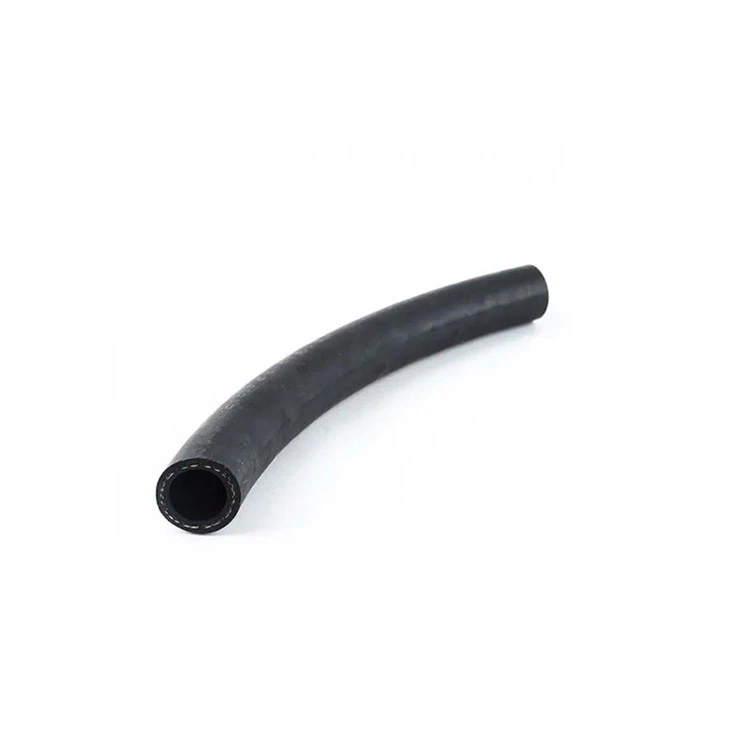
Rubber hoses are widely used in industrial applications due to their flexibility, durability, and resistance to abrasion. Different types of rubber, such as nitrile, EPDM (Ethylene Propylene Diene Monomer), and neoprene, offer varying degrees of chemical resistance. For example, nitrile rubber is highly resistant to oils and fuels, making it a popular choice for fuel transfer applications. Our 4'' Black Nitrile Hose is a great option for handling various oil - based fluids.
Thermoplastic Hoses
Thermoplastic hoses are lightweight, flexible, and have excellent chemical resistance. They are often used in applications where weight is a concern, such as in portable equipment. Materials like PVC (Polyvinyl Chloride) and polyurethane are commonly used in thermoplastic hoses. PVC hoses are cost - effective and suitable for transporting water, mild chemicals, and some low - pressure applications.

Metal Hoses
Metal hoses are known for their high strength, heat resistance, and ability to withstand high pressures. They are commonly used in applications where extreme conditions are present, such as in high - temperature steam systems or high - pressure hydraulic systems. Stainless steel is a popular material for metal hoses due to its corrosion resistance.
Considering Hose Construction
In addition to the material, the construction of the hose also affects its compatibility with the fluid.
Inner Tube
The inner tube is in direct contact with the fluid, so its material and quality are crucial. It should be smooth, seamless, and made of a material that is resistant to the fluid. A rough or porous inner tube can cause fluid absorption, leading to swelling, degradation, and contamination of the fluid.
Reinforcement Layers
Reinforcement layers provide strength and support to the hose, especially in high - pressure applications. The type and number of reinforcement layers depend on the pressure requirements. Common reinforcement materials include braided or spiraled synthetic fibers, steel wires, or textile cords.
Outer Cover
The outer cover protects the hose from external damage, such as abrasion, UV rays, and chemicals in the environment. It should be made of a material that is resistant to the specific environmental conditions where the hose will be used.
Conducting Compatibility Tests
Before finalizing the hose selection, it is advisable to conduct compatibility tests. These tests can help confirm that the hose material and construction are suitable for the fluid.
Laboratory Tests
Laboratory tests involve exposing samples of the hose material to the fluid under controlled conditions. The samples are then analyzed for changes in physical properties, such as weight, volume, hardness, and tensile strength. These tests can provide accurate data on the long - term compatibility of the hose with the fluid.
Field Trials
Field trials are also valuable, especially for complex or unique applications. By installing the hose in a real - world environment and monitoring its performance over a period of time, you can identify any potential issues that may not be apparent in laboratory tests.
Regular Inspection and Maintenance
Even after selecting a compatible hose, regular inspection and maintenance are essential to ensure continued compatibility.
Visual Inspections
Regular visual inspections can help detect signs of wear, damage, or degradation. Look for cracks, bulges, leaks, or changes in the appearance of the hose. Any signs of damage should be addressed immediately to prevent further problems.
Pressure and Flow Monitoring
Monitoring the pressure and flow rate of the fluid can also help identify potential issues. A sudden change in pressure or flow may indicate a problem with the hose, such as a blockage or a leak.
Replacement Schedule
Establishing a replacement schedule based on the expected lifespan of the hose is important. Factors such as the type of fluid, operating conditions, and frequency of use can affect the lifespan of the hose.
In conclusion, ensuring the compatibility of an industrial hose with the fluid it transports requires a thorough understanding of the fluid, careful selection of the hose material and construction, conducting compatibility tests, and regular inspection and maintenance. As an industrial hose supplier, we are committed to providing high - quality hoses that meet the specific needs of our customers. If you have any questions or need assistance in selecting the right hose for your application, please feel free to contact us for a detailed discussion and procurement negotiation.
References
- "Industrial Hoses: Selection, Application, and Maintenance" by John Doe
- "Fluid Compatibility Handbook" by Jane Smith
- Industry standards and guidelines from relevant regulatory bodies