How to Choose an LPG Hose for a Large - Scale LPG System?
As a seasoned LPG hose supplier, I've witnessed firsthand the critical importance of selecting the right LPG hose for large - scale systems. A large - scale LPG system, whether it's for an industrial facility, a commercial kitchen complex, or a large - scale energy storage and distribution center, demands a hose that can meet high - volume, high - pressure, and continuous - use requirements. In this blog, I'll share some key factors to consider when choosing an LPG hose for such systems.


Compatibility with LPG
The first and foremost aspect is ensuring that the hose is compatible with Liquefied Petroleum Gas (LPG). LPG is a mixture of propane and butane, and it has specific chemical properties that can react with certain materials. The inner tube of the hose should be made from materials that are resistant to the solvents and chemicals present in LPG. For large - scale systems, common materials used for the inner tube include nitrile rubber or fluoroelastomers. Nitrile rubber is cost - effective and offers good resistance to LPG, while fluoroelastomers provide superior chemical resistance, especially in high - pressure and high - temperature environments where the chemical stability of the hose is crucial.
Pressure Rating
Large - scale LPG systems often operate at high pressures. The pressure rating of the hose must exceed the maximum operating pressure of the system. It's essential to consider not only the normal operating pressure but also any potential pressure spikes that could occur during system startup, shutdown, or in the event of a malfunction. For example, if the system typically operates at 10 bar but can experience pressure spikes up to 15 bar, the hose should have a pressure rating of at least 15 bar or higher. A hose with an inadequate pressure rating can lead to leaks, bulges, or even catastrophic failures, which pose significant safety risks in a large - scale LPG environment.
Temperature Resistance
LPG systems can operate in a wide range of temperatures. In cold environments, LPG hoses need to remain flexible to prevent cracking and leaks. On the other hand, in high - temperature applications, such as near industrial furnaces or in hot climates, the hose must be able to withstand the heat without degrading. The ideal hose for a large - scale LPG system should have a wide temperature range. For instance, a good quality hose might be able to operate effectively between - 40°C to 60°C or even wider. When selecting a hose, consider the average and extreme temperatures in the operating environment of your large - scale system.
Hose Length and Diameter
The length and diameter of the hose are also important considerations. In a large - scale LPG system, the length of the hose can affect the pressure drop within the system. A longer hose generally results in a greater pressure drop, which can impact the performance of the system. Therefore, you should try to keep the hose length as short as possible while still allowing for necessary flexibility and movement.
The diameter of the hose determines the flow capacity. For a large - scale system that requires high - volume LPG flow, a larger diameter hose is usually necessary. However, it's important to balance the flow capacity with the pressure requirements of the system. A hose with too large a diameter might cause the pressure to drop too low, while a hose with too small a diameter can restrict the flow and lead to inefficiencies.
Reinforcement Layer
The reinforcement layer of an LPG hose provides strength and prevents the hose from bursting under pressure. In large - scale systems, the reinforcement layer should be robust and well - constructed. Common reinforcement materials include synthetic fibers (such as polyester or nylon) and steel wires. Synthetic fiber - reinforced hoses are lighter and more flexible, making them easier to handle and install. Steel wire - reinforced hoses, on the other hand, offer higher strength and are more resistant to abrasion and mechanical damage. For applications where the hose is likely to be exposed to rough handling or harsh environments, steel wire - reinforced hoses are often a better choice.
End Fittings
Proper end fittings are crucial for a secure and leak - free connection in a large - scale LPG system. The end fittings should be compatible with the hose and the equipment to which it will be connected. There are various types of end fittings available, such as threaded fittings, quick - connect fittings, and flanged fittings.
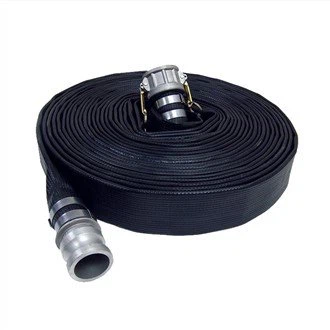
Gas Hose With Quick Connect is a popular option for large - scale systems as it allows for easy and fast connection and disconnection. Quick - connect fittings can significantly reduce the time required for maintenance and replacement of hoses. However, it's important to ensure that the quick - connect fittings are of high quality and meet the relevant safety standards.
Durability and Service Life
In a large - scale LPG system, hoses are often in continuous use, and replacing them frequently can be costly and disruptive. Therefore, it's important to choose a hose with high durability and a long service life. Factors that affect the durability of a hose include the quality of the materials, the construction method, and the resistance to wear, tear, and environmental factors.
Hoses that are resistant to ozone, sunlight, and abrasion are more likely to have a longer service life. For example, Gas Pipe And Hose made with high - quality materials and advanced manufacturing techniques can offer excellent durability in large - scale LPG applications.
Safety Standards and Certifications
Safety is of utmost importance in any LPG system, especially in large - scale applications where the consequences of a failure can be severe. When choosing an LPG hose, make sure it meets relevant safety standards and has the necessary certifications. Common standards for LPG hoses include ISO 1402 and EN 1481. These standards ensure that the hose has been tested for various performance parameters, such as pressure resistance, chemical compatibility, and leakage prevention. A hose that meets these standards provides an added layer of assurance that it will operate safely in a large - scale LPG system.
Flexibility
In large - scale LPG systems, there may be a need for the hose to bend and move to accommodate different equipment layouts and operational requirements. A flexible hose is easier to install and can reduce stress on the connections. Rubber Flexible Gas Pipe is a great option for applications that require flexibility. It can easily adapt to different angles and positions without losing its structural integrity.
Maintenance Requirements
Finally, consider the maintenance requirements of the LPG hose. A hose that is easy to maintain can save time and money in the long run. Look for hoses that are easy to clean and inspect. Some hoses come with features that make it easier to detect leaks, such as visible indicators or odorants added to the LPG. Additionally, ensure that replacement parts, such as end fittings or reinforcement layers, are readily available in case of damage.
In conclusion, choosing the right LPG hose for a large - scale LPG system requires careful consideration of multiple factors, including compatibility, pressure rating, temperature resistance, length, diameter, reinforcement layer, end fittings, durability, safety standards, flexibility, and maintenance requirements. As a trusted LPG hose supplier, we are committed to providing high - quality hoses that meet the diverse needs of large - scale LPG systems. If you are in the process of selecting an LPG hose for your large - scale system, we would be more than happy to assist you. Contact us today to discuss your specific requirements and start a procurement negotiation.
References
- ISO 1402: International Organization for Standardization, Standards for LPG hoses
- EN 1481: European Committee for Standardization, Standards for LPG hoses
- Industry reports on LPG system safety and performance