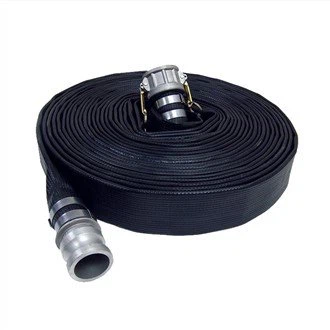
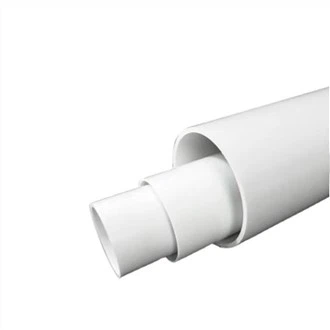
In the world of industrial and scientific applications, vacuum tubing plays a crucial role. As a dedicated vacuum tubing supplier, I've witnessed firsthand how the weight of vacuum tubing can have far - reaching implications for both its installation and use. In this blog post, I'll delve into the various aspects of how the weight of vacuum tubing influences these critical processes.
Installation Challenges and Considerations
Structural Support Requirements
The weight of vacuum tubing is a primary factor when it comes to installation, as it directly impacts the structural support needed. Heavier tubing requires more robust mounting systems. For instance, in a large - scale laboratory where long runs of vacuum tubing are necessary, the additional weight can put significant stress on the brackets and hangers used to hold the tubing in place. If the support structures are not designed to handle the weight, there is a risk of the tubing sagging or even detaching over time. This can lead to leaks, which are a major concern in vacuum systems as they can compromise the integrity of the entire setup.
When installing heavier vacuum tubing, engineers often need to reinforce the support infrastructure. This might involve using thicker - gauge metal brackets or more frequent mounting points. For example, in a chemical processing plant, where the vacuum tubing is used to transfer volatile chemicals, a small leak due to inadequate support can have serious safety and environmental consequences.
Handling and Positioning
The weight of the tubing also affects how it is handled during installation. Heavier tubing is more difficult to maneuver into position, especially in tight or hard - to - reach spaces. Installation teams may require additional personnel or specialized equipment, such as hoists or cranes, to lift and position the tubing correctly. This not only adds to the installation time but also increases the overall cost of the project.
In contrast, lighter vacuum tubing is much easier to handle. It can be quickly and easily positioned by a single installer in many cases, reducing labor costs and speeding up the installation process. For example, in a small - scale research facility, where space is limited and the budget is tight, using lighter tubing can be a more practical choice.
Flexibility and Bend Radius
The weight of vacuum tubing can also influence its flexibility and bend radius. Heavier tubing tends to be less flexible, which can be a challenge during installation, especially when the tubing needs to be routed around obstacles or through complex piping systems. A larger bend radius may be required for heavier tubing, which can limit its use in some applications where space is at a premium.
Lighter tubing, on the other hand, is generally more flexible and can be bent to a smaller radius. This makes it easier to install in tight spaces and around corners. For example, in an electronic manufacturing facility, where the vacuum tubing needs to be routed through a dense network of equipment, a lighter and more flexible tubing option can be a significant advantage.
Impact on Use
Pressure Drop
The weight of vacuum tubing can have an impact on the pressure drop within the system. Heavier tubing often has a thicker wall, which can increase the internal resistance of the tubing. This, in turn, leads to a higher pressure drop as the vacuum is applied. A higher pressure drop means that more energy is required to maintain the desired vacuum level, which can increase operating costs.
In a vacuum - based filtration system, for example, a high pressure drop can reduce the efficiency of the filtration process. The pump has to work harder to overcome the resistance in the tubing, which can lead to increased wear and tear on the pump and a shorter lifespan.
Durability and Long - Term Performance
The weight of the tubing can also be an indicator of its durability. Heavier tubing is often made from thicker or more robust materials, which can make it more resistant to damage from physical impacts, chemical exposure, and high - temperature environments. For example, in an industrial setting where the tubing is exposed to harsh chemicals or rough handling, a heavier, more durable tubing may be the best choice.
However, this does not mean that lighter tubing is always less durable. Some lightweight tubing materials are designed to be highly resistant to various factors while still maintaining a low weight. For example, 4 To 2.5 Silicone Reducer is a lightweight yet durable option that can be used in a variety of applications.
Compatibility with Equipment
The weight of the vacuum tubing must be compatible with the equipment it is connected to. If the tubing is too heavy, it can put excessive stress on the connectors and fittings, leading to leaks or even damage to the equipment. On the other hand, if the tubing is too light, it may not provide a secure connection, especially in high - pressure or high - flow applications.
For example, in a vacuum packaging machine, the tubing needs to be properly matched to the machine's vacuum pump and other components. A heavy tubing that is not compatible with the machine's connectors can cause the machine to malfunction, resulting in wasted product and lost production time.
Case Studies
Case Study 1: Industrial Vacuum System Upgrade
A large manufacturing plant was upgrading its vacuum system to improve efficiency. The original system used heavy - gauge metal vacuum tubing, which was difficult to install and maintain. The weight of the tubing had caused some of the support structures to fail over time, leading to leaks and reduced performance.
The plant decided to replace the old tubing with a lighter, more flexible plastic tubing. The new tubing was much easier to install, reducing the installation time by half. It also had a lower pressure drop, which improved the overall efficiency of the vacuum system. The plant was able to save on energy costs and reduce maintenance requirements.


Case Study 2: Laboratory Renovation
A research laboratory was renovating its facilities and needed to replace the vacuum tubing in its fume hoods. The laboratory had limited space and a tight budget. They chose a lightweight silicone tubing, which was easy to handle and install in the confined space. The tubing was also flexible enough to be routed around the various pieces of equipment in the fume hoods.
The use of the lightweight tubing not only saved on installation costs but also improved the overall functionality of the fume hoods. The lower pressure drop in the tubing allowed for better airflow, which enhanced the safety of the laboratory environment.
Choosing the Right Vacuum Tubing
When choosing vacuum tubing, it's essential to consider the weight in relation to the specific application. Here are some factors to keep in mind:
Application Requirements
Understand the specific requirements of your application, such as the type of fluid or gas being transferred, the pressure and temperature conditions, and the routing requirements. If the application requires high durability and can tolerate a heavier tubing, then a thicker - walled or more robust material may be appropriate. However, if space is limited or ease of installation is a priority, a lighter tubing may be a better choice.
Budget and Cost Considerations
Consider the overall cost of the tubing, including the purchase price, installation costs, and long - term operating costs. While heavier tubing may be more durable, it may also be more expensive to purchase and install. Lighter tubing may have a lower upfront cost and can save on installation and operating costs in the long run.
Compatibility with Existing Systems
Ensure that the tubing is compatible with your existing equipment, including pumps, valves, and connectors. The weight of the tubing should not cause excessive stress on these components, and it should provide a secure and leak - free connection.
Conclusion
The weight of vacuum tubing has a significant impact on both its installation and use. Heavier tubing offers greater durability in some cases but comes with challenges such as increased support requirements, difficult handling, and higher pressure drop. Lighter tubing, on the other hand, is easier to install and handle, has a lower pressure drop, and is more flexible, but may not be as durable in harsh environments.
As a vacuum tubing supplier, we offer a wide range of options to meet the diverse needs of our customers. Whether you need a 4 To 2.5 Silicone Reducer, Pvc Yellow Color Sunny Hose, or Gas Hoses, we can help you find the right tubing for your application.
If you're interested in learning more about our vacuum tubing products or have any questions about choosing the right tubing for your project, we encourage you to contact us. Our team of experts is ready to assist you in making the best decision for your specific needs.
References
- "Industrial Vacuum Systems: Design and Operation" by John Doe
- "Vacuum Technology Handbook" by Jane Smith
- Various industry reports on vacuum tubing applications and performance.