Brass fittings are widely used in various industries due to their excellent properties such as corrosion resistance, durability, and good machinability. As a supplier of brass fittings, I often receive questions from customers about whether these fittings require any special treatment before use. In this blog post, I will delve into this topic and provide you with comprehensive information to help you make informed decisions.

Understanding Brass Fittings
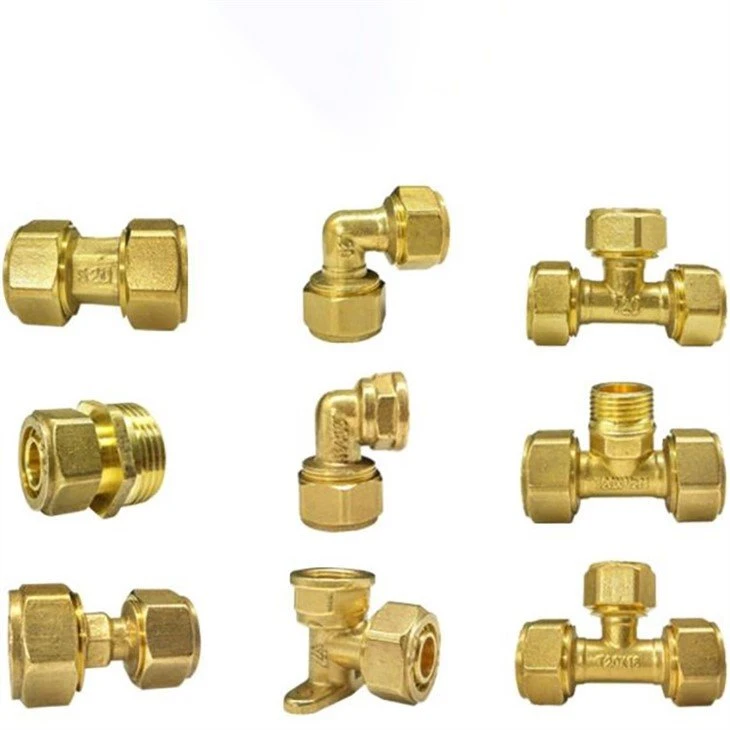
Before discussing the special treatment, it's essential to understand what brass fittings are. Brass is an alloy composed primarily of copper and zinc. The proportion of these two elements can vary, which results in different types of brass with distinct properties. Brass fittings come in a wide range of shapes and sizes, including elbows, tees, couplings, and adapters. They are commonly used in plumbing systems, gas lines, and various industrial applications.
General Inspection
The first step before using brass fittings is a general inspection. This involves checking for any visible defects such as cracks, scratches, or deformities. Cracks can compromise the integrity of the fitting and lead to leaks or failures in the system. Scratches, although they may seem minor, can also act as initiation points for corrosion over time. Deformities can prevent proper connection and sealing, causing problems during installation.
Cleaning
Cleaning is an important pre - use treatment for brass fittings. During the manufacturing process, brass fittings may accumulate dirt, oil, and metal shavings. These contaminants can affect the performance of the fittings and the overall system. For example, dirt can clog small passages in the fitting, reducing the flow rate of fluids. Oil can interfere with the bonding of sealing materials.
To clean brass fittings, you can use a mild detergent and warm water. Gently scrub the fitting with a soft brush to remove the dirt and oil. Rinse thoroughly with clean water to ensure that no detergent residue remains. After cleaning, dry the fittings completely to prevent the formation of rust or corrosion.
Deburring
Deburring is another crucial step. During the manufacturing process, brass fittings may have sharp edges or burrs. These can cause injury during handling and can also damage the pipes or other components they are connected to. Deburring can be done using a deburring tool or sandpaper. Carefully remove the burrs from the edges and inside the fitting to ensure a smooth surface.
Thread Protection
If the brass fitting has threads, it is important to protect them. Threads can be easily damaged during storage, transportation, or handling. Damaged threads can lead to improper connection and leaks. You can use thread protectors or caps to cover the threads. These protectors are usually made of plastic or rubber and can prevent the threads from being scratched or deformed.
Special Treatment for Specific Applications
In some cases, brass fittings may require special treatment depending on the application.
High - Temperature Applications
If the brass fitting is going to be used in a high - temperature environment, it may need to be heat - treated. Heat treatment can improve the mechanical properties of the brass, such as its strength and hardness. This can prevent the fitting from deforming or failing under high - temperature conditions.
Corrosive Environments
In corrosive environments, such as those with high humidity or exposure to chemicals, brass fittings may need additional corrosion protection. One common method is to apply a protective coating. There are various types of coatings available, such as epoxy coatings, zinc coatings, and nickel coatings. These coatings can act as a barrier between the brass and the corrosive environment, extending the lifespan of the fitting.
Compatibility with Other Materials
It is also important to consider the compatibility of brass fittings with other materials in the system. For example, if the fitting is going to be connected to a plastic pipe, you need to ensure that the brass does not react with the plastic. Some plastics may be sensitive to the chemicals in brass, which can cause degradation of the plastic over time.
Our Product Range
As a supplier of brass fittings, we offer a wide range of products to meet different needs. Our Brass Washing Machine Connector is designed for reliable connection in washing machine plumbing systems. It is made of high - quality brass and undergoes strict quality control to ensure its performance.
Our Brass Pipe Fittings Plumbing are suitable for various plumbing applications. They are available in different sizes and configurations to meet the requirements of different plumbing projects.
For outdoor use, our Brass Outdoor Tap Connector is a great choice. It is corrosion - resistant and can withstand the harsh outdoor environment.
Conclusion
In conclusion, brass fittings generally require some pre - use treatment such as inspection, cleaning, deburring, and thread protection. In some specific applications, additional treatment like heat treatment or coating may be necessary. By taking these pre - use treatments seriously, you can ensure the proper performance and longevity of the brass fittings.
If you are interested in our brass fittings or have any questions about their pre - use treatment, please feel free to contact us for procurement and further discussion. We are committed to providing you with high - quality products and professional services.
References
- "Brass Alloys Handbook" by ASM International
- "Handbook of Corrosion Engineering" by Pierre R. Roberge