In the vast landscape of industrial manufacturing, each sector has its unique requirements when it comes to equipment and materials. One such industry is ceramic manufacturing, which has specific criteria for transporting various substances during the production process. As a supplier of PVC spiral hoses, the question of whether these hoses can be used in ceramic manufacturing is both relevant and important. In this blog, we'll delve into the properties of PVC spiral hoses, explore the needs of ceramic manufacturing, and determine the feasibility of using our PVC spiral hoses in this industry.
Properties of PVC Spiral Hoses
Before we consider their application in ceramic manufacturing, it's essential to understand the key properties of PVC spiral hoses. PVC, or polyvinyl chloride, is a widely used plastic known for its versatility, durability, and cost - effectiveness. The spiral design of the hoses adds additional strength and flexibility.
- Flexibility: PVC spiral hoses are highly flexible, which allows them to be easily maneuvered around different parts of a manufacturing facility. This flexibility is crucial in a dynamic environment like a ceramic factory, where hoses may need to be routed through narrow spaces or around machinery.
- Durability: They have a good level of durability, being resistant to abrasion and wear. This means they can withstand the rigors of continuous use, such as contact with rough materials or being moved around frequently.
- Chemical Resistance: PVC has a certain degree of resistance to many chemicals. This property is important in ceramic manufacturing, as the process may involve the use of various chemicals, including glazes, solvents, and acids.
- Lightweight: PVC spiral hoses are relatively lightweight compared to other types of hoses. This makes them easier to install, handle, and move, reducing the overall physical effort required by workers in the factory.
Requirements of Ceramic Manufacturing
Ceramic manufacturing is a complex process that involves several stages, from raw material preparation to final firing and finishing. During these processes, different types of substances need to be transported, including water, clay slurries, glazes, and chemicals.
- Raw Material Handling: In the initial stages, large quantities of clay and other raw materials are mixed with water to form a slurry. Hoses are used to transfer this slurry from storage tanks to mixing equipment and then to molding machines. The hoses need to be able to handle the high - viscosity nature of the slurry without clogging.
- Glaze Application: Glazes are applied to the ceramic products to give them their final appearance and properties. These glazes often contain chemicals and pigments, and the hoses used for glaze application need to be resistant to the corrosive effects of these substances.
- Waste Disposal: After the manufacturing process, there is often waste material that needs to be removed. This can include excess clay, water, and used glazes. Hoses are used to transport this waste to disposal areas.
Feasibility of Using PVC Spiral Hoses in Ceramic Manufacturing
Based on the properties of PVC spiral hoses and the requirements of ceramic manufacturing, let's analyze the feasibility of using our hoses in this industry.


Advantages
- Handling of Slurries: The flexibility and relatively smooth interior surface of PVC spiral hoses make them suitable for transporting clay slurries. The smooth surface reduces the friction, allowing the high - viscosity slurry to flow more easily through the hose, minimizing the risk of clogging.
- Chemical Compatibility: As mentioned earlier, PVC has a reasonable level of chemical resistance. For many of the chemicals used in ceramic manufacturing, such as common glazes, PVC spiral hoses can withstand the contact without significant degradation.
- Cost - effectiveness: PVC spiral hoses are generally more affordable compared to some specialized hoses. This makes them an attractive option for ceramic manufacturers, especially small and medium - sized enterprises that are looking to control costs.
Limitations
- High - Temperature Resistance: In some parts of the ceramic manufacturing process, especially during firing and drying, high temperatures are involved. PVC has a relatively low melting point, and it may not be suitable for direct use in high - temperature applications. However, in most cases where slurries and glazes are transported, the temperatures are within the acceptable range for PVC hoses.
- Pressure Resistance: Some ceramic manufacturing processes may require hoses to handle high pressures. While PVC spiral hoses have a certain pressure - bearing capacity, they may not be suitable for extremely high - pressure applications. In such cases, reinforcement or alternative hose materials may be needed.
Our Product Range
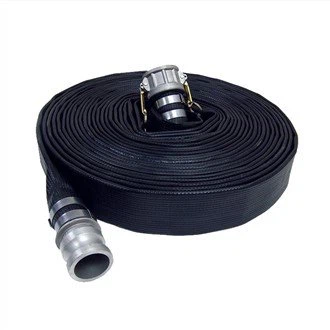
As a PVC Spiral Hose supplier, we offer a wide range of products that can potentially be used in ceramic manufacturing.
- Pvc Spa Flex Hose: This hose is known for its high flexibility, which makes it ideal for applications where the hose needs to be bent and maneuvered around different equipment in a ceramic factory. It can be used for transporting water or other low - viscosity substances during the manufacturing process.
- 10 Inch Agricultural Suction Hose: With its large diameter, this hose is suitable for handling large volumes of materials, such as clay slurries. It has a good suction capacity, which is important when transferring materials from storage tanks to processing equipment.
- PVC Spring Wire Hose Pipe: The spring wire reinforcement in this hose provides additional strength and resistance to kinking. It can be used in applications where the hose needs to withstand more physical stress, such as in areas where there is a lot of movement around the hoses.
Conclusion
In conclusion, PVC spiral hoses have several properties that make them suitable for use in ceramic manufacturing. Their flexibility, durability, and chemical resistance are valuable assets in handling various substances during the production process. While there are some limitations, such as high - temperature and high - pressure resistance, in many common applications within ceramic factories, PVC spiral hoses can be a practical and cost - effective solution.
If you're a ceramic manufacturer or involved in the ceramic industry and are interested in exploring the use of our PVC spiral hoses, we'd be more than happy to discuss your specific requirements. Our team of experts can provide detailed information about our products and help you make an informed decision. Contact us today to start the conversation and see how our PVC spiral hoses can enhance your manufacturing process.
References
- "Handbook of Plastic Materials and Technology" by Irving I. Rubin
- "Ceramic Engineering and Science Proceedings" published by The American Ceramic Society