Can PVC Pipes Be Used for a Pneumatic Conveying System?
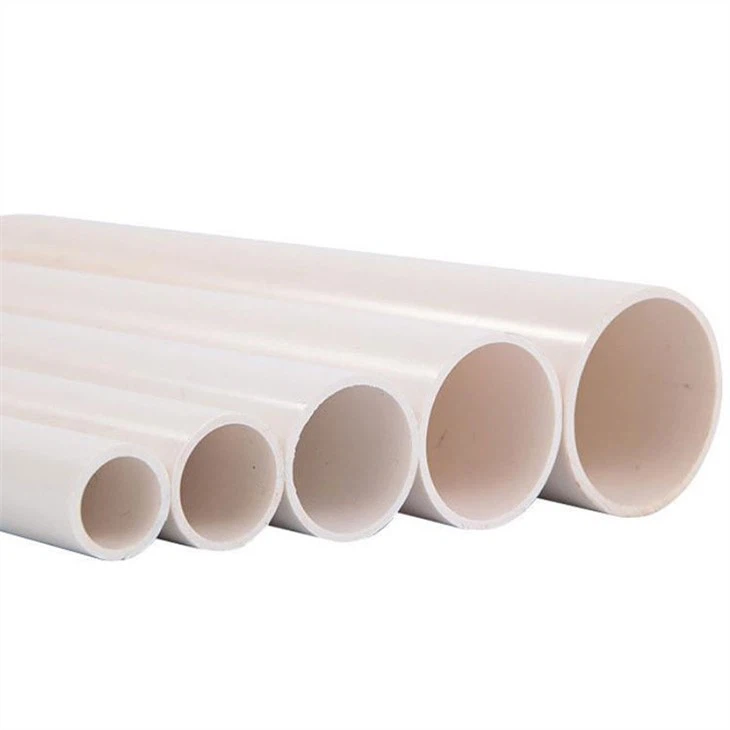
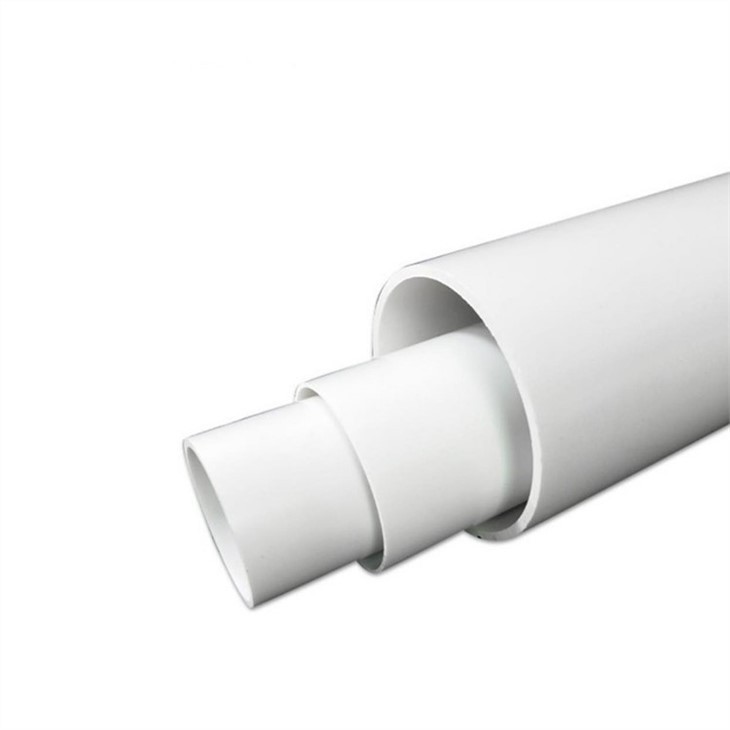
As a supplier of PVC pipes, I often encounter inquiries from customers regarding the suitability of PVC pipes for various applications, including pneumatic conveying systems. Pneumatic conveying is a method of transporting bulk materials, such as powders, granules, and pellets, through a pipeline using a stream of compressed air or gas. It is widely used in industries such as food processing, pharmaceuticals, plastics, and chemicals. In this blog post, I will explore the feasibility of using PVC pipes in a pneumatic conveying system, considering their advantages, limitations, and key factors to consider.
Advantages of Using PVC Pipes in Pneumatic Conveying Systems
Cost-Effectiveness
One of the primary advantages of PVC pipes is their cost-effectiveness. PVC is a relatively inexpensive material compared to other piping materials such as stainless steel or carbon steel. This makes PVC pipes an attractive option for companies looking to reduce their capital investment in a pneumatic conveying system. Additionally, PVC pipes are lightweight, which reduces transportation costs and makes installation easier and more cost-effective.
Corrosion Resistance
PVC pipes are highly resistant to corrosion, making them suitable for use in environments where the conveyed materials may be corrosive. This is particularly important in industries such as chemicals and pharmaceuticals, where the materials being transported can be highly reactive and corrosive to metal pipes. PVC pipes can withstand exposure to a wide range of chemicals, acids, and alkalis, ensuring the long-term durability and reliability of the pneumatic conveying system.
Smooth Interior Surface
PVC pipes have a smooth interior surface, which reduces friction and pressure drop in the pneumatic conveying system. This results in lower energy consumption and improved efficiency, as less energy is required to move the materials through the pipeline. The smooth surface also helps to prevent the buildup of materials on the pipe walls, reducing the risk of blockages and improving the overall performance of the system.
Easy Installation and Maintenance
PVC pipes are easy to install and require minimal maintenance compared to other piping materials. They can be easily cut, joined, and installed using simple tools and techniques, reducing installation time and labor costs. PVC pipes also have a long service life and require little maintenance, making them a cost-effective solution for pneumatic conveying systems.
Limitations of Using PVC Pipes in Pneumatic Conveying Systems
Temperature Limitations
PVC pipes have a limited temperature range and are not suitable for use in high-temperature applications. The maximum operating temperature for PVC pipes is typically around 60°C (140°F), and exposure to temperatures above this range can cause the pipes to soften, deform, or even melt. This limits the use of PVC pipes in applications where the conveyed materials may be hot or where the system may be exposed to high temperatures.
Pressure Limitations
PVC pipes have a lower pressure rating compared to other piping materials such as steel. The maximum operating pressure for PVC pipes is typically around 10 bar (145 psi), and exceeding this pressure can cause the pipes to rupture or fail. This limits the use of PVC pipes in applications where high-pressure pneumatic conveying is required.
Abrasion Resistance
While PVC pipes are generally resistant to abrasion, they may not be suitable for use in applications where the conveyed materials are highly abrasive. Abrasive materials can cause the interior surface of the PVC pipes to wear down over time, reducing the pipe's diameter and increasing the risk of blockages. In such cases, alternative piping materials such as steel or ceramic may be more suitable.
Key Factors to Consider When Using PVC Pipes in Pneumatic Conveying Systems
Material Compatibility
Before using PVC pipes in a pneumatic conveying system, it is important to ensure that the pipes are compatible with the materials being conveyed. Different PVC formulations have different chemical resistance properties, and it is essential to select a PVC pipe that is resistant to the specific chemicals and materials being transported. This can be determined through laboratory testing or by consulting with the PVC pipe manufacturer.
System Design
The design of the pneumatic conveying system is crucial when using PVC pipes. The system should be designed to minimize pressure drop, prevent blockages, and ensure the smooth flow of materials through the pipeline. This includes selecting the appropriate pipe diameter, length, and layout, as well as using the correct fittings and valves. The system should also be designed to accommodate the temperature and pressure limitations of the PVC pipes.
Installation and Maintenance
Proper installation and maintenance are essential for the safe and efficient operation of a pneumatic conveying system using PVC pipes. The pipes should be installed according to the manufacturer's instructions, and all joints and connections should be properly sealed to prevent air leaks. Regular maintenance should be carried out to inspect the pipes for signs of wear, damage, or blockages, and any issues should be addressed promptly.
Conclusion
In conclusion, PVC pipes can be used in a pneumatic conveying system, but their suitability depends on several factors, including the application requirements, the properties of the conveyed materials, and the operating conditions of the system. PVC pipes offer several advantages, including cost-effectiveness, corrosion resistance, smooth interior surface, and easy installation and maintenance. However, they also have some limitations, such as temperature and pressure limitations and lower abrasion resistance. When considering using PVC pipes in a pneumatic conveying system, it is important to carefully evaluate these factors and ensure that the pipes are compatible with the specific application.
If you are interested in using PVC pipes for your pneumatic conveying system, we offer a wide range of Plastic 14 Inch Pvc Pipe, 4 Foot Diameter Plastic Pipe, and Pvc Pipe For Water Well that are suitable for various applications. Our experienced team can provide you with expert advice and guidance to help you select the right PVC pipes for your needs. Contact us today to discuss your requirements and start a procurement洽谈.
References
- ASME B31.8 - Gas Transmission and Distribution Piping Systems
- ASTM D1785 - Standard Specification for Poly(Vinyl Chloride) (PVC) Plastic Pipe, Schedules 40, 80, and 120
- ISO 1452 - Plastics Piping Systems - Poly(Vinyl Chloride) (PVC) Pipes - Specifications for Unplasticized PVC Pipes for Water Supply