Can an LPG hose be used with a camping stove? This is a question that many outdoor enthusiasts and camping aficionados often ponder. As a supplier of LPG hoses, I'm here to provide you with a comprehensive and in - depth analysis of this topic.
Understanding LPG Hoses
Before we dive into whether an LPG hose can be used with a camping stove, it's essential to understand what an LPG hose is. LPG, or liquefied petroleum gas, is a popular fuel source for various applications, including camping stoves. An LPG hose is a flexible tube designed to transport LPG from the gas cylinder to the appliance, in this case, the camping stove.
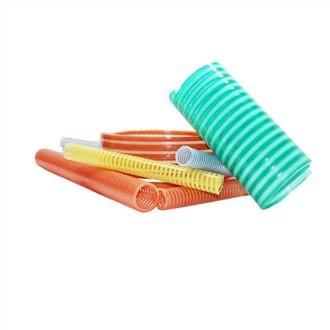
LPG hoses come in different types and materials. For instance, there's the Retractable Medical Oxygen Hose Reel, which offers a convenient and space - saving solution for hose storage. The Pvc Gas Hose is another option, known for its durability and resistance to certain environmental factors. And of course, the Lpg/propane Gas Hose is specifically designed for LPG and propane applications.
Compatibility with Camping Stoves
The short answer to whether an LPG hose can be used with a camping stove is yes, but with several important considerations.
Pressure and Flow Rate
Camping stoves have specific pressure and flow rate requirements. An LPG hose must be able to handle the pressure exerted by the LPG cylinder and deliver the appropriate amount of gas to the stove. If the hose cannot handle the pressure, it may burst, leading to a dangerous gas leak. On the other hand, if the flow rate is too low, the stove may not function properly, resulting in weak flames or difficulty in ignition.
Connection Type
The connection between the LPG hose and the camping stove is crucial. Most camping stoves have standardized connection fittings. The LPG hose must have a compatible fitting to ensure a secure and leak - free connection. Some hoses come with universal fittings that can be adjusted to fit different stoves, while others are designed for specific models.
Safety Standards
When using an LPG hose with a camping stove, safety should be the top priority. The hose must meet relevant safety standards and certifications. For example, it should be resistant to heat, abrasion, and chemical corrosion. A sub - standard hose may pose a significant risk of fire or explosion.
Advantages of Using an LPG Hose with a Camping Stove
Convenience
Using an LPG hose allows you to position the gas cylinder at a safe distance from the stove. This can be particularly useful in confined camping spaces or when you want to keep the cylinder out of direct sunlight or away from heat sources.
Flexibility
LPG hoses provide flexibility in terms of stove placement. You can move the camping stove around within the length of the hose, making it easier to set up your cooking area according to your needs.
Cost - effectiveness
Compared to some other fuel delivery systems, LPG hoses are relatively inexpensive. They offer a cost - effective way to use LPG with your camping stove without having to invest in more complex or expensive equipment.


Potential Risks and Precautions
Gas Leaks
One of the most significant risks associated with using an LPG hose is gas leaks. A leak can occur due to a damaged hose, a loose connection, or a faulty valve. To prevent gas leaks, always inspect the hose before each use for any signs of wear, such as cracks or holes. Check the connections to ensure they are tight and secure. You can also use a soap - water solution to detect leaks. Apply the solution to the connections and look for bubbles. If bubbles appear, there is a leak, and you should immediately turn off the gas supply and fix the problem.
Hose Damage
The LPG hose can be damaged during transportation or use. It can be pinched, kinked, or cut, which can compromise its integrity. To avoid hose damage, store the hose properly when not in use. Avoid stepping on the hose or placing heavy objects on it. When setting up the camping stove, make sure the hose is not in a position where it can be easily damaged.
Choosing the Right LPG Hose for Your Camping Stove
Length
The length of the LPG hose depends on your specific needs. If you need to place the gas cylinder far away from the stove, you'll need a longer hose. However, keep in mind that a longer hose may result in a slight drop in pressure. As a general rule, choose the shortest hose that still allows you to position the cylinder safely.
Material
As mentioned earlier, different materials have different properties. PVC hoses are lightweight and flexible, while rubber hoses are more durable and heat - resistant. Consider the environmental conditions in which you'll be camping. If you'll be camping in a hot climate, a heat - resistant hose may be a better choice.
Fitting Type
Make sure the hose has the right fitting for your camping stove. If you're unsure, check the stove's manual or consult the manufacturer. You can also look for hoses with adjustable or universal fittings.
Conclusion
In conclusion, an LPG hose can be used with a camping stove, provided that you take the necessary precautions and choose the right hose. It offers many advantages in terms of convenience, flexibility, and cost - effectiveness. However, it's important to be aware of the potential risks and take steps to ensure your safety.
If you're in the market for a high - quality LPG hose for your camping stove, we're here to help. We offer a wide range of LPG hoses that meet the highest safety standards and are designed to provide reliable performance. Whether you need a Retractable Medical Oxygen Hose Reel, a Pvc Gas Hose, or an Lpg/propane Gas Hose, we have the perfect solution for you. Contact us to discuss your requirements and start your procurement process.
References
- "Safety Guidelines for Using LPG in Camping", Outdoor Safety Council.
- "LPG Hose Standards and Certifications", International Gas Association.