Hey there! As an LPG hose supplier, I often get asked a bunch of questions about where and how our hoses can be used. One question that pops up quite a bit is, "Can an LPG hose be used in a chemical - storage area?" Let's dig into this topic and find out the answer.
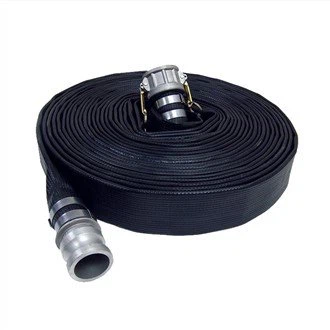
First off, let's talk a bit about what LPG hoses are. We offer different types of LPG hoses, like the LPG Propane Tank Hose, the Gas Lpg Hose, and the Flexible Propane Gas Line. These hoses are designed to handle liquefied petroleum gas (LPG), which is a common fuel source used in many industries and households.
LPG hoses are built to be durable and reliable. They're made from materials that can withstand the pressure and the properties of LPG. But when it comes to a chemical - storage area, things get a bit more complicated. Chemical - storage areas can be home to all sorts of chemicals, some of which can be extremely corrosive, reactive, or toxic.
The main concern is whether the materials used in LPG hoses can stand up to the chemicals present in the storage area. Different chemicals have different properties, and they can react with the hose materials in various ways. For example, some strong acids or alkalis can break down the polymer materials that are often used in the construction of LPG hoses. If the hose material gets degraded, it can lead to leaks, which are not only a waste of LPG but also a serious safety hazard.
Let's take a closer look at the factors we need to consider.
Compatibility of Materials
Most LPG hoses are made from materials like rubber or synthetic polymers. These materials are great for handling LPG, but they may not be compatible with all chemicals. For instance, if there are solvents in the chemical - storage area, they might dissolve or swell the rubber in the hose. This can compromise the integrity of the hose and make it more likely to fail.
Before using an LPG hose in a chemical - storage area, it's crucial to know exactly what chemicals are stored there. You can then check the chemical compatibility charts provided by the hose manufacturer. These charts list the chemicals and whether the hose materials are compatible with them. If the chemicals are not on the list, it's best to err on the side of caution and assume that the hose may not be suitable.
Environmental Conditions
Chemical - storage areas can have different environmental conditions. They might be hot, cold, humid, or have high levels of dust. Extreme temperatures can affect the flexibility and strength of the hose materials. For example, in very cold conditions, the rubber in the hose can become brittle and more prone to cracking. On the other hand, high humidity can cause corrosion of any metal parts in the hose, like the fittings.
Pressure and Flow Requirements
LPG hoses are designed to handle a specific range of pressures and flow rates. In a chemical - storage area, the pressure and flow requirements might be different. If the hose is subjected to pressures higher than it's rated for, it can burst. Similarly, if the flow rate is too high, it can cause excessive wear and tear on the hose.
So, can an LPG hose be used in a chemical - storage area? The answer is, it depends.
If the chemicals stored in the area are known to be compatible with the LPG hose materials, and the environmental conditions and pressure/flow requirements are within the hose's specifications, then it might be possible to use an LPG hose. However, this should never be done without proper assessment and testing.
Here are some steps you can take if you're thinking about using an LPG hose in a chemical - storage area:
- Conduct a Chemical Analysis: Identify all the chemicals stored in the area and their properties. This will help you determine if they're compatible with the hose materials.
- Check the Hose Manufacturer's Recommendations: The manufacturer can provide valuable information about the hose's chemical resistance and suitability for different environments.
- Perform a Test Installation: Before fully committing to using the hose, do a short - term test installation. Monitor the hose closely for any signs of damage or degradation.
- Implement Regular Inspections: Even if the hose seems to be working fine initially, regular inspections are a must. Check for any signs of wear, corrosion, or leaks.
As an LPG hose supplier, I always recommend being extra cautious when it comes to using our hoses in non - standard environments like chemical - storage areas. Safety should always be the top priority.


If you're still not sure whether an LPG hose is right for your chemical - storage area, don't hesitate to reach out. We have a team of experts who can help you assess your situation and find the best solution. Whether it's choosing the right hose or making sure it's installed and maintained correctly, we're here to assist you.
If you're in the market for high - quality LPG hoses, we've got you covered. Our LPG Propane Tank Hose, Gas Lpg Hose, and Flexible Propane Gas Line are all designed to meet the highest standards of quality and performance. Contact us to start a conversation about your specific needs and let's work together to find the perfect solution for you.
References
- Hose Manufacturer's Chemical Compatibility Charts
- Industry Standards for LPG Hose Usage and Safety