


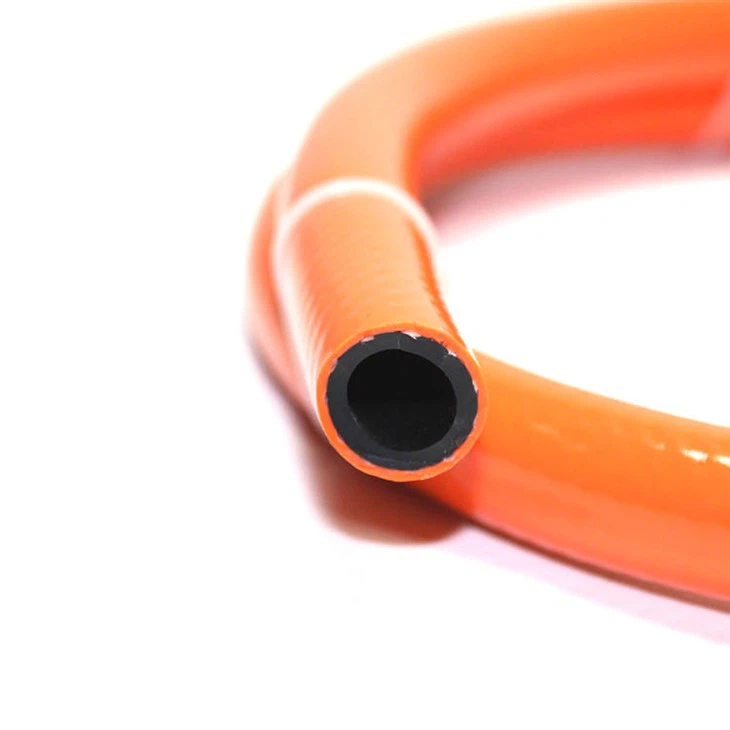


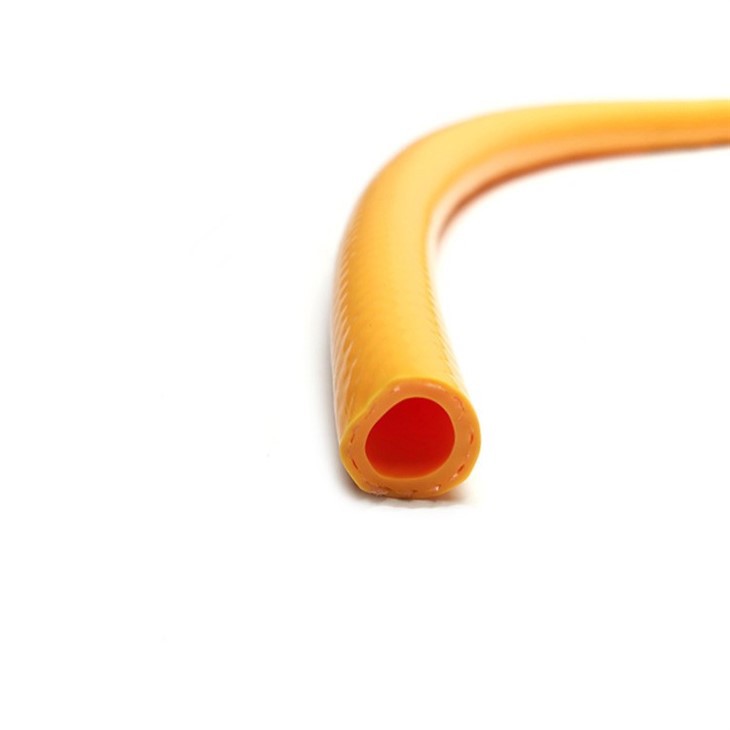
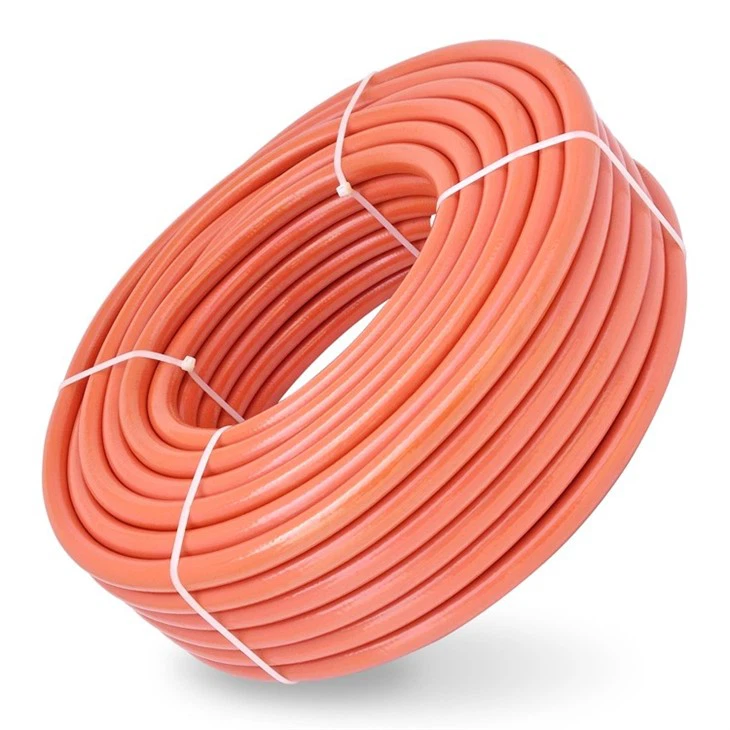

Gas Lpg Hose
Application: Oil/Liquefied petroleum gas PLG GAS
Material: High Reinforced Silicone
I.D: 6mm~50mm
Wall Thickness: 4-5mm
Working Temperature: -30℃~ +120℃
**Gas LPG Hose: Purpose and Safe Usage Guidelines**
### **Purpose:**
The Gas LPG Hose is specifically designed for the safe and efficient transportation of liquefied petroleum gas (LPG), commonly used in household and industrial applications. LPG is a flammable gas, and the hose serves as a critical component in ensuring the controlled and secure delivery of gas from the source to the point of use. Here are its primary purposes:
1. **Gas Transportation:**
The hose facilitates the seamless transfer of LPG from storage tanks or cylinders to various appliances such as gas stoves, heaters, water heaters, and other gas-powered devices.
2. **Flexibility and Maneuverability:**
The hose's flexible design allows for easy routing and connection between the gas source and the appliance, enabling users to position and relocate gas-powered devices as needed.
3. **Gas Pressure Regulation:**
Gas LPG hoses are engineered to handle specific pressure ratings, ensuring that the gas is delivered to appliances at the right pressure for safe and efficient combustion.
4. **Durability and Safety:**
The hose is constructed with materials that resist wear, abrasion, and exposure to the elements. This durability is crucial for maintaining the integrity of the gas transportation system and ensuring safety during everyday use.
### **Safe Usage Guidelines:**
Ensuring the safe use of a Gas LPG Hose is paramount to prevent accidents, leaks, or other hazardous situations. Here are key guidelines for its safe usage:
1. **Proper Installation:**
- Install the hose according to the manufacturer's guidelines and industry standards.
- Ensure that all connections, including fittings and regulators, are tight and secure.
- Check for compatibility between the hose and the gas appliances it connects.
2. **Regular Inspection:**
- Conduct routine visual inspections for signs of wear, cracks, or damage along the entire length of the hose.
- Inspect fittings and connections for leaks. A soap and water solution can be used to identify escaping gas through the formation of bubbles.
3. **Avoid Sharp Bends and Kinks:**
- Do not bend the hose sharply or create kinks, as this can weaken the hose structure and potentially cause leaks.
- Route the hose in a way that minimizes stress on the hose and fittings.
4. **Use in Well-Ventilated Areas:**
- Ensure that gas-powered appliances are used in well-ventilated areas to prevent the accumulation of gas and reduce the risk of gas-related incidents.
5. **Replace Damaged Hoses Promptly:**
- If any damage or wear is detected during inspections, replace the hose immediately. Do not attempt to repair a damaged hose.
6. **Keep Away from Heat Sources:**
- Position the hose away from heat sources, open flames, and hot surfaces to prevent deterioration of the hose material and reduce the risk of fire.
7. **Secure Storage:**
- When not in use, store the hose in a secure location away from direct sunlight, extreme temperatures, and potential physical damage.
8. **Emergency Preparedness:**
- Educate household members or users on emergency procedures, such as how to turn off gas appliances and the main gas supply in case of a leak or emergency.
9. **Follow Local Regulations:**
- Adhere to local regulations and codes regarding the installation and usage of gas LPG hoses. This may include obtaining professional installation in some cases.
By following these guidelines, users can ensure the safe and efficient use of Gas LPG Hoses, promoting a secure environment for both residential and industrial applications. Always prioritize safety and promptly address any issues or concerns related to gas equipment.


Hot Tags: gas lpg hose, China, suppliers, manufacturers, factory, low price, Propane Gas Hose and Fittings Pipe, Water Hose
Previous
Hose Pipe LpgYou Might Also Like


Send Inquiry