Are PVC Spiral Hoses Resistant to Chemicals?
As a supplier of PVC spiral hoses, I often get asked about the chemical resistance of these products. It's a crucial question, especially for industries that deal with various chemicals on a daily basis. In this blog, I'll delve into the topic of whether PVC spiral hoses are resistant to chemicals, exploring the factors that influence their chemical resistance, and providing practical insights for potential buyers.
Understanding PVC Spiral Hoses
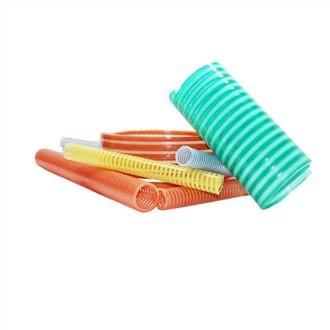
Before we discuss chemical resistance, let's briefly understand what PVC spiral hoses are. PVC, or polyvinyl chloride, is a widely used thermoplastic polymer known for its versatility, durability, and cost - effectiveness. Spiral hoses are made by extruding PVC and reinforcing it with a spiral wire or helix. This spiral reinforcement provides the hose with flexibility, strength, and the ability to maintain its shape under pressure.

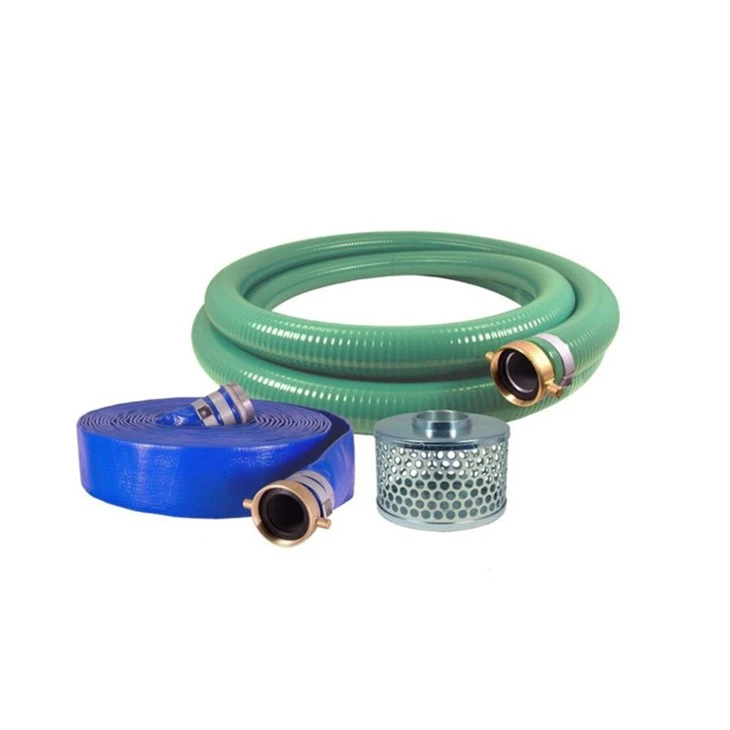
PVC spiral hoses come in different types and are used in a variety of applications. For instance, the Pvc Suction Hose is commonly used for transferring liquids, such as water, chemicals, and even some slurries. The PVC Flexible Ducting Hose is designed for air ventilation and exhaust systems, while the 5 Inch Water Suction Hose is ideal for high - volume water transfer.
Chemical Resistance of PVC Spiral Hoses
The chemical resistance of PVC spiral hoses depends on several factors:
1. Type of Chemicals
PVC has different levels of resistance to various chemicals. Generally, PVC spiral hoses are resistant to many common acids, alkalis, and salts at low to moderate concentrations. For example, they can withstand dilute solutions of hydrochloric acid, sulfuric acid, and sodium hydroxide. However, concentrated acids and alkalis can cause significant damage to PVC. Strong oxidizing agents, such as nitric acid and hydrogen peroxide, can also attack the PVC material, leading to swelling, softening, or even degradation of the hose.
Organic solvents are another category of chemicals that PVC may not be resistant to. Solvents like acetone, toluene, and gasoline can dissolve or swell PVC, reducing its mechanical properties and integrity. This means that if your application involves transferring these types of organic solvents, a PVC spiral hose may not be the best choice.
2. Concentration and Temperature
The concentration of the chemical and the operating temperature also play a vital role in the chemical resistance of PVC spiral hoses. Higher concentrations of chemicals usually pose a greater threat to the hose material. As the concentration increases, the chemical's ability to penetrate and react with the PVC becomes more pronounced.
Temperature has a similar effect. Elevated temperatures can accelerate chemical reactions and increase the rate of diffusion of chemicals into the PVC. For example, a PVC spiral hose that can withstand a certain chemical at room temperature may fail when exposed to the same chemical at a higher temperature. It's important to consider both the concentration and temperature when evaluating the suitability of a PVC spiral hose for a particular chemical application.
3. Exposure Time
The length of time the hose is exposed to the chemical is another critical factor. Short - term exposure to a chemical may not cause significant damage, while long - term exposure can lead to cumulative effects. Even if a PVC spiral hose has some initial resistance to a chemical, continuous exposure over an extended period can gradually degrade the material, resulting in leaks, cracks, or loss of strength.
Testing and Certification
To ensure the chemical resistance of our PVC spiral hoses, we conduct rigorous testing. Our hoses are tested in accordance with industry standards and regulations to evaluate their performance in the presence of various chemicals. We also work with independent testing laboratories to obtain certifications that verify the chemical resistance of our products.
These certifications provide our customers with confidence in the quality and reliability of our PVC spiral hoses. When you purchase our hoses, you can be assured that they have been thoroughly tested and meet the required standards for chemical resistance in their intended applications.
Applications and Limitations
PVC spiral hoses have a wide range of applications where their chemical resistance is sufficient. In the agricultural industry, they are used for transferring fertilizers and pesticides, which are often in the form of dilute aqueous solutions. In the food and beverage industry, PVC spiral hoses can be used for transferring water, juices, and some mild cleaning agents, as long as they meet the relevant food - grade requirements.
However, there are also limitations to the use of PVC spiral hoses in chemical applications. As mentioned earlier, they are not suitable for transferring strong organic solvents or highly concentrated acids and alkalis. In such cases, alternative hose materials, such as fluoropolymers or stainless - steel hoses, may be more appropriate.
Selecting the Right PVC Spiral Hose for Chemical Applications
When selecting a PVC spiral hose for a chemical application, consider the following steps:
1. Identify the Chemical
First, clearly identify the chemical that the hose will be in contact with. Know its name, concentration, and any special properties, such as its reactivity or corrosiveness.
2. Evaluate the Operating Conditions
Determine the operating temperature, pressure, and flow rate of the chemical transfer. These factors will affect the performance and chemical resistance of the hose.
3. Check the Chemical Resistance Chart
Refer to our chemical resistance chart, which provides information on the compatibility of our PVC spiral hoses with different chemicals. This chart can help you quickly assess whether a particular hose is suitable for your application.
4. Consult with Our Experts
If you're still unsure about which hose to choose, don't hesitate to consult with our technical experts. We have years of experience in the industry and can provide you with professional advice based on your specific requirements.
Conclusion
In conclusion, PVC spiral hoses can offer a certain degree of chemical resistance, but their performance depends on various factors such as the type of chemical, concentration, temperature, and exposure time. While they are suitable for many common chemical applications, it's important to carefully evaluate the specific requirements of your application to ensure the safe and reliable use of the hose.
As a leading supplier of PVC spiral hoses, we are committed to providing high - quality products that meet the diverse needs of our customers. If you have any questions about the chemical resistance of our hoses or need assistance in selecting the right hose for your application, please feel free to contact us. We look forward to discussing your requirements and helping you find the perfect solution for your chemical transfer needs.
References
- ASTM International. (Year). Standard test methods for evaluating the chemical resistance of plastics.
- ISO Standards. (Year). Standards related to the performance and testing of hoses for chemical applications.
- Technical literature from PVC manufacturers on the chemical properties of PVC.