Hey there, fellow green - conscious folks! As a PPR pipe supplier, I often get asked, "Are PPR pipes environmentally friendly?" Well, let's dig into this topic and find out.
What are PPR Pipes?
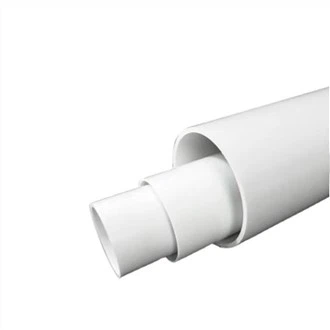
First off, let's cover some basics. PPR stands for Polypropylene Random Copolymer. These pipes are a type of plastic pipe that have become super popular in plumbing systems over the past few decades. They're used for everything from carrying hot and cold water in homes to industrial piping systems. You can check out more about Plastic Pipe Ppr on our website.
The Manufacturing Process
The manufacturing of PPR pipes starts with the raw material, polypropylene. This is a thermoplastic polymer that's derived from propylene gas. Compared to some other materials used in plumbing, like copper or iron, the production of polypropylene has a relatively lower carbon footprint.
One reason is that the energy required to produce polypropylene is less than that needed for metals. For metals, you've got to mine, smelt, and shape the material, which involves a lot of energy - guzzling processes. On the other hand, polypropylene is made through a polymerization process that's not as energy - intensive.
However, it's important to note that the production of polypropylene still relies on fossil fuels. Propylene is a by - product of the petroleum refining process. So, while it's more energy - efficient than some alternatives, it's not completely free of environmental impacts related to fossil fuel use.
Durability and Longevity
One major plus for PPR pipes when it comes to environmental friendliness is their durability. These pipes can last for a really long time, often up to 50 years or more. This means that once you install PPR pipes in your plumbing system, you're not going to have to replace them anytime soon.
Think about it. If you use a less - durable material, you'll need to replace the pipes more frequently. This leads to more production of new pipes, which in turn means more use of raw materials and energy. With PPR pipes, their long lifespan reduces the overall demand for new pipe production over time. You can explore Plumbers Ppr Pipe options to see how they can offer long - term solutions for your plumbing needs.
Resistance to Corrosion
PPR pipes are highly resistant to corrosion. Unlike metal pipes, which can rust over time when exposed to water and certain chemicals, PPR pipes won't corrode. This is great for the environment in several ways.
For starters, when metal pipes corrode, they can release contaminants into the water supply. This not only affects water quality but also leads to the need for more water treatment. With PPR pipes, the risk of corrosion - related water contamination is eliminated.
Secondly, corrosion in metal pipes can weaken them, leading to leaks. Leaking pipes waste a huge amount of water. In a world where water is becoming an increasingly scarce resource, this is a big deal. By using corrosion - resistant PPR pipes, we can help conserve water.
Recyclability
Here's where things get a bit more complicated. PPR pipes are technically recyclable. Polypropylene can be melted down and reused to make new products. However, in reality, the recycling rate of PPR pipes is quite low.


One reason is the lack of proper recycling facilities and processes for PPR pipes in many areas. Recycling plastic requires specialized equipment, and not all recycling centers are equipped to handle PPR.
Another issue is the presence of impurities in used PPR pipes. Over time, these pipes can accumulate dirt, chemicals, and other contaminants, which make the recycling process more difficult. Despite these challenges, the potential for recycling PPR pipes exists, and as recycling technology improves, we can expect to see a higher recycling rate in the future. You can learn more about the properties of Plastic Polypropylene Pipes to understand their recyclability potential better.
Transportation and Installation
PPR pipes are lightweight compared to metal pipes. This has a positive impact on the environment during transportation. Since they weigh less, less fuel is required to transport them from the manufacturing plant to the installation site. This reduces greenhouse gas emissions associated with transportation.
In terms of installation, PPR pipes are also easier to work with. They can be joined using a fusion welding process, which doesn't require the use of harmful chemicals or a lot of energy - consuming equipment. This makes the installation process more environmentally friendly compared to some other pipe - joining methods.
Potential Drawbacks
While there are many environmental benefits to using PPR pipes, we can't ignore the potential drawbacks. As mentioned earlier, the production of polypropylene is linked to fossil fuels. And if PPR pipes end up in landfills, they can take a long time to break down.
Plastic pollution is a huge global problem, and although PPR pipes have some advantages, they're still part of the plastic family. There's also the concern about microplastics. Over time, as PPR pipes degrade, there's a possibility that microplastics could be released into the environment.
Conclusion and Call to Action
So, are PPR pipes environmentally friendly? Well, it's a mixed bag. They have some clear environmental benefits, such as lower energy consumption during production, long - term durability, corrosion resistance, and potential for recyclability. But they also have some negative aspects related to their fossil - fuel origin and the challenges of recycling.
If you're in the market for plumbing pipes and are concerned about the environment, PPR pipes are definitely worth considering. They offer a good balance between performance and environmental impact.
If you're interested in learning more about our PPR pipes or are thinking about making a purchase, don't hesitate to reach out. We're here to answer any questions you might have and help you find the best PPR pipe solutions for your needs.
References
- "Plastic Pipe Engineering Handbook"
- Environmental Impact Studies on Polypropylene Production
- Reports on Water Conservation through Durable Piping Systems