






Coolant Radiator Hose
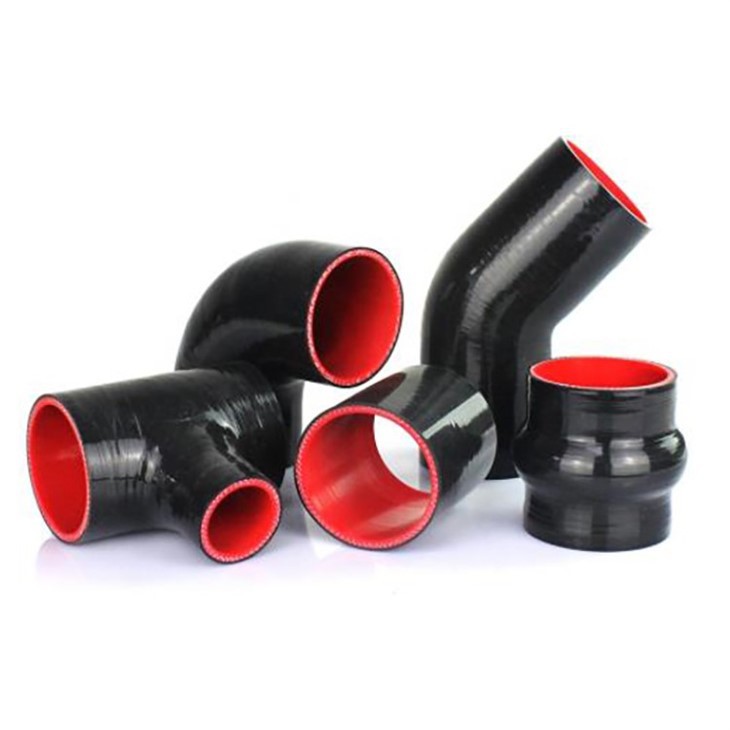
Material: Silicone, rubber
Color: Black, red, blue etc.
Reinforcement: Fiber Braid
Application: Automotive, Machine,
Product name: Silicone OEM Hose
Size: can be customized
Coolant Radiator Hose: A Comprehensive Guide
Introduction
Coolant radiator hoses are essential components of a vehicle's cooling system, responsible for transferring coolant between the engine and the radiator. These hoses are crucial for regulating the engine's temperature and ensuring efficient operation. In this article, we will provide a comprehensive overview of coolant radiator hoses, covering their composition, functions, types, maintenance, and importance in vehicle performance.
Composition and Manufacturing
Coolant radiator hoses are typically constructed from high-quality rubber compounds, with the most common type being ethylene propylene diene monomer (EPDM) rubber. EPDM rubber is chosen for its excellent heat resistance, durability, and flexibility. These hoses may also include reinforcement layers made of polyester or aramid fibers to enhance structural integrity and prevent collapsing under pressure. Metal fittings, often made of steel or aluminum, provide secure connections to other cooling system components.

Functions
The primary function of coolant radiator hoses is to transport coolant, also known as antifreeze, between the radiator, engine, and various cooling system components. These hoses play several crucial roles in maintaining engine temperature:
1. **Coolant Circulation:** Coolant flows through the radiator hoses, carrying excess heat from the engine to the radiator. In the radiator, the coolant is cooled before returning to the engine to absorb additional heat.
2. **Engine Temperature Regulation:** By controlling the flow of coolant, these hoses help maintain the engine within its optimal temperature range. Proper temperature regulation is vital for engine efficiency and longevity.
3. **Flexible Connection:** Radiator hoses provide flexible connections between different components of the cooling system, accommodating engine movement and vibration while maintaining a secure seal.
Types of Coolant Radiator Hoses
1. **Upper Hose:** The upper hose connects the top of the radiator to the engine's thermostat housing, allowing hot coolant to flow from the engine to the radiator for cooling.
2. **Lower Hose:** The lower hose connects the bottom of the radiator to the water pump on the engine, facilitating the return of cooled coolant from the radiator to the engine.
3. **Bypass Hose:** Some vehicles include a bypass hose that connects the thermostat housing to the water pump. This allows coolant to circulate through the engine even when the thermostat is closed, preventing overheating during warm-up.
Maintenance
Proper maintenance of coolant radiator hoses is critical for ensuring the reliable operation of a vehicle's cooling system. Here are some essential maintenance practices:
1. **Visual Inspection:** Regularly inspect the hoses for visible signs of wear, damage, or cracks. Replace any hoses that exhibit signs of deterioration.
2. **Coolant Replacement:** Follow the manufacturer's recommendations for coolant replacement intervals. Old coolant can become corrosive and damage the hoses.
3. **Clamp Inspection:** Check hose clamps for tightness and corrosion. Replace clamps if they are loose or damaged.
4. **Temperature Checks:** Monitor engine temperature regularly. An overheating engine can strain the hoses, leading to premature failure.
5. **Hose Replacement:** As part of routine maintenance, coolant radiator hoses should be replaced every 2 to 5 years, even if they appear to be in good condition. This preventive measure helps avoid unexpected failures.
Importance in Vehicle Performance
Coolant radiator hoses play a critical role in maintaining engine temperature and overall vehicle performance. Their proper functioning ensures that the engine operates within its optimal temperature range, preventing overheating and potential damage. A well-maintained cooling system with reliable hoses contributes to:
1. **Fuel Efficiency:** Engines operate most efficiently at their optimal temperature. Coolant circulation, facilitated by radiator hoses, helps maintain this efficiency.
2. **Engine Longevity:** Consistent temperature control prevents engine components from overheating and wearing out prematurely.
3. **Reduced Emissions:** An efficiently operating engine produces fewer harmful emissions, contributing to environmental sustainability.
4. **Reliability:** Regular maintenance of radiator hoses reduces the risk of unexpected breakdowns and costly repairs.
Conclusion
Coolant radiator hoses are indispensable components of a vehicle's cooling system, ensuring that the engine operates within its optimal temperature range. Their composition, functions, types, maintenance, and role in vehicle performance make them crucial for automotive engineering. Regular inspection and replacement of these hoses as part of routine maintenance contribute to the longevity and efficiency of a vehicle's engine, ultimately enhancing the overall driving experience and safety.


Hot Tags: coolant radiator hose, China, suppliers, manufacturers, factory, low price
You Might Also Like


Send Inquiry