Introduction
Automobiles are complex machines with a variety of systems that must work efficiently to keep them running. One of the most important systems in an automobile is the cooling system, which is responsible for regulating the temperature of the engine and preventing overheating. To accomplish this, the cooling system uses a combination of coolant, radiator, water pump and a network of pipes to transfer heat away from the engine. In recent years, automotive engineers have started to incorporate a new material into this system - silicone rubber. In this article, we will explore the application of silicone rubber in automotive cooling systems and its advantages.
What is Silicone Rubber?
Silicone rubber is a synthetic polymer made of silicon, carbon, hydrogen, and oxygen. It is a flexible and durable material that is resistant to high and low temperatures, chemicals and abrasion. It can be molded into different shapes, making it an ideal material for various industrial applications, such as sealing, gasket making, insulation, and fluid transfer.
Application of Silicone Rubber in Automotive Cooling Systems
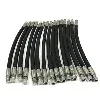
Silicone rubber has many practical uses in automotive cooling systems, but one of the most important is in the creation of silicone radiator hoses. Radiator hoses are crucial to the cooling system as they transfer the hot coolant from the engine to the radiator, where it is cooled and then pumped back into the engine. In the past, manufacturers used rubber hoses for this purpose, but that has changed with the introduction of silicone radiator hoses.
Silicone radiator hoses are made with high-quality silicone rubber, which has a much higher melting point than traditional rubber hoses. This allows the hoses to operate at higher temperatures without melting or deteriorating. In addition, silicone hoses are also more resistant to chemicals and abrasion, making them more durable and longer-lasting than traditional rubber hoses. This means less maintenance and repair work for car owners and mechanics.
Another application of silicone rubber in automotive cooling systems is the use of silicone-based radiator sealant. Radiator sealant is a vital component in the cooling system as it repairs small leaks and cracks in the radiator or other parts of the cooling system. Silicone-based sealant has better adhesive properties than traditional sealants, so it adheres to the surface better and creates a more secure seal.
Advantages of Silicone Rubber in Automotive Cooling Systems
The use of silicone rubber in automotive cooling systems has numerous advantages. Some of these advantages include:
1. Temperature resistance: Silicone rubber has a much higher melting point than traditional rubber, making it ideal for use in high-temperature environments.
2. Chemical resistance: Silicone rubber is resistant to various chemicals, such as coolant and oil, making it more durable than traditional rubber.
3. Abrasion resistance: Silicone rubber is resistant to abrasion, reducing the likelihood of wear and tear of hoses and other components.
4. Longevity: The durability of silicone rubber means that components made with this material have a longer lifespan, reducing the need for frequent replacement or maintenance.
Conclusion
Silicone rubber is a versatile material that has found many applications in the automotive industry, especially in cooling systems. The use of silicone radiator hoses and silicone-based radiator sealant offers many benefits, including temperature resistance, chemical resistance, abrasion resistance, and longevity. These benefits make silicone rubber an ideal choice for automotive engineers looking to improve the durability and efficiency of cooling systems in automobiles.
May 31, 2023
Leave a message
Application of Silicone Rubber in Automotive Cooling Systems
Send Inquiry