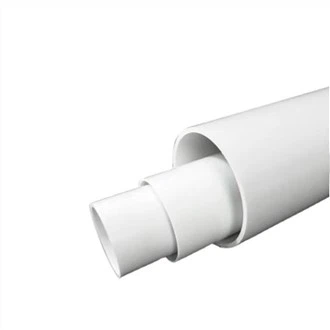
Hey there! As a PPR pipe supplier, I've seen firsthand the importance of understanding the different types of PPR pipe connections. PPR, or Polypropylene Random Copolymer, pipes are super popular in plumbing and heating systems because they're durable, resistant to corrosion, and easy to install. So, let's dive into the various types of PPR pipe connections out there.
1. Fusion Welding Connections
Fusion welding is like the gold standard when it comes to PPR pipe connections. It's a process where you use a special welding machine to heat both the pipe and the fitting until they reach a molten state. Then, you quickly join them together, and as they cool down, they form a permanent, leak - proof bond.
The great thing about fusion welding is that it creates a seamless connection. There are no weak points or joints that can potentially leak over time. This makes it ideal for high - pressure applications, like in industrial plumbing or large - scale residential projects.


However, it does require some skill and the right equipment. You need to make sure you heat the pipe and fitting evenly and insert them correctly to get a good bond. If you mess up the welding process, it can lead to weak connections or blockages in the pipe.
2. Mechanical Connections
Mechanical connections are another option for PPR pipes. These connections use mechanical devices like compression fittings or push - fit fittings to join the pipes together.
Compression Fittings
Compression fittings work by using a nut and a ferrule. You slide the nut and ferrule onto the pipe, insert the pipe into the fitting, and then tighten the nut. As you tighten the nut, the ferrule compresses against the pipe, creating a tight seal.
Compression fittings are easy to install and don't require any special tools other than a wrench. They're also great for situations where you might need to disassemble the connection later, like for maintenance or repairs. But they might not be as reliable as fusion - welded connections in high - pressure systems.
Push - Fit Fittings
Push - fit fittings are even easier to install. You simply push the pipe into the fitting, and a series of internal seals and locking mechanisms hold the pipe in place. There's no need for any tools or welding.
These fittings are really popular for DIY projects because they're so simple. But they might not be suitable for all applications. For example, in areas with high vibration or extreme temperature changes, the connection might loosen over time.
3. Threaded Connections
Threaded connections involve screwing the pipe and fitting together using threads. This type of connection is more common in smaller - diameter PPR pipes and is often used in applications where you need to connect PPR pipes to other types of pipes or fixtures that have threaded ends.
Threaded connections are relatively easy to install, but you need to use a thread sealant to prevent leaks. The sealant fills in the gaps between the threads and creates a watertight seal. However, threaded connections can be prone to loosening over time, especially in areas with vibration.
4. Flanged Connections
Flanged connections are used in larger - diameter PPR pipes and in applications where you need to connect pipes to equipment or other large - scale components. A flange is a flat, circular disc with holes around the edge. You attach the flange to the end of the pipe and then bolt it to another flange on the equipment or component.
Flanged connections are very strong and can handle high pressures. They're also easy to disassemble for maintenance or replacement. But they're more expensive and require more space compared to other types of connections.
Choosing the Right Connection for Your Project
When it comes to choosing the right PPR pipe connection for your project, there are a few things to consider.
First, think about the application. If you're working on a high - pressure system, like a commercial building's plumbing, fusion welding or flanged connections might be the best choice. For a DIY home project or a low - pressure system, mechanical connections like push - fit fittings could be more suitable.
Second, consider the skill level required for installation. If you're not an experienced plumber, you might want to go for easier - to - install options like push - fit or compression fittings.
Finally, think about the cost. Some connections, like fusion welding, require special equipment, which can add to the overall cost. On the other hand, mechanical connections are generally more affordable and don't require expensive tools.
Where to Find Quality PPR Pipes
If you're in the market for PPR pipes, you can check out our products at Plastic Pipe Polypropylene, Plastic Pipe Ppr, and Plastic Polypropylene Pipes. We offer a wide range of PPR pipes and fittings to suit different needs and budgets.
Whether you're a professional plumber or a DIY enthusiast, we've got you covered. Our pipes are made from high - quality materials and are designed to last. And if you have any questions about which type of connection is right for your project, our team of experts is here to help.
Let's Talk Business
If you're interested in purchasing PPR pipes for your project, we'd love to have a chat with you. We can discuss your specific requirements, provide you with a quote, and help you choose the best products and connections for your needs. Just reach out to us, and we'll get the ball rolling on your next plumbing project.
References
- "PPR Pipe Installation Guide", Plumbing World Publications
- "Handbook of Plastic Pipes: Theory and Practice", Wiley - Blackwell