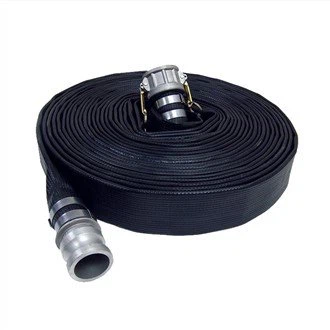
Hey there! As a supplier of PVC spiral hoses, I often get asked about the temperature range these hoses can handle. It's a crucial question because using a hose outside its recommended temperature range can lead to all sorts of problems, like reduced performance or even damage. So, let's dive right in and explore the temperature range for PVC spiral hoses.


Understanding PVC Spiral Hoses
First off, let's quickly go over what PVC spiral hoses are. PVC, or polyvinyl chloride, is a type of plastic that's known for being durable, flexible, and resistant to many chemicals. The spiral design in these hoses adds extra strength and flexibility, making them suitable for a wide range of applications. Whether you're using them for water suction, as a 5 Inch Water Suction Hose, or for other industrial purposes like a Steel Wire Reinforced Pvc Flexible Pipe, understanding their temperature limits is key.
The Ideal Temperature Range
In general, the typical temperature range for PVC spiral hoses is between -10°C (14°F) and 60°C (140°F). This range allows the hose to maintain its flexibility and structural integrity. At temperatures within this sweet spot, the PVC material remains pliable, making it easy to bend and maneuver the hose as needed.
Lower Temperature Limits
When the temperature drops below -10°C (14°F), PVC starts to become more rigid. This increased rigidity can make the hose difficult to handle and can also increase the risk of cracking or breaking. If you're using the hose in cold weather conditions, like for a Suction Hose For Water Pump in a winterized environment, you need to be extra careful. The cold can cause the PVC to become brittle, and any sudden bends or impacts can lead to damage. It's also important to note that if there's water inside the hose and the temperature drops below freezing, the water can expand as it turns to ice, which can further damage the hose.
Upper Temperature Limits
On the other end of the spectrum, when the temperature rises above 60°C (140°F), the PVC material can start to soften. This softening can cause the hose to lose its shape and structural integrity. If the hose is under pressure, it may start to bulge or even burst. High temperatures can also accelerate the degradation of the PVC material over time, reducing the overall lifespan of the hose. So, if you're using the hose in a hot environment or for applications where the fluid being transported is hot, you need to make sure the temperature stays within the recommended range.
Factors Affecting the Temperature Range
The actual temperature range that a PVC spiral hose can handle can vary depending on several factors.
Hose Thickness and Reinforcement
Thicker hoses and those with additional reinforcement, like steel wire, tend to have a wider temperature range. The extra material and reinforcement provide more insulation and strength, allowing the hose to withstand more extreme temperatures. For example, a Steel Wire Reinforced Pvc Flexible Pipe may be able to handle slightly lower or higher temperatures compared to a standard PVC spiral hose.
Additives in the PVC
Some PVC hoses are formulated with additives that can improve their temperature resistance. These additives can make the hose more flexible at lower temperatures or more heat-resistant at higher temperatures. When choosing a PVC spiral hose, it's a good idea to ask the supplier about any additives used in the manufacturing process to get a better idea of its temperature capabilities.
Duration of Exposure
The length of time the hose is exposed to extreme temperatures also matters. A short exposure to a temperature slightly outside the recommended range may not cause significant damage, but prolonged exposure can have a cumulative effect. For example, if a hose is left in direct sunlight on a hot day for several hours, the heat can gradually degrade the PVC material.
Tips for Using PVC Spiral Hoses in Different Temperatures
Here are some tips to help you use PVC spiral hoses effectively in different temperature conditions.
Cold Weather Use
- Insulate the Hose: If you're using the hose in cold weather, consider insulating it to help maintain a more stable temperature inside the hose. You can use insulation sleeves or wraps designed for hoses.
- Drain the Hose: After use, make sure to drain any water from the hose to prevent freezing and damage.
- Store the Hose Properly: Store the hose in a warm place when not in use to keep it flexible.
Hot Weather Use
- Shade the Hose: If possible, keep the hose out of direct sunlight to prevent overheating. You can use shade cloth or place the hose in a shaded area.
- Monitor the Temperature: Use a temperature gauge to monitor the temperature of the fluid inside the hose and make sure it stays within the recommended range.
- Replace the Hose Regularly: If the hose is exposed to high temperatures frequently, consider replacing it more often to ensure its performance and safety.
Conclusion
Understanding the temperature range for PVC spiral hoses is essential for getting the most out of these versatile hoses. By keeping the temperature within the recommended range and following the tips I've shared, you can ensure that your PVC spiral hose performs well and lasts a long time. Whether you're using it for water suction, industrial applications, or any other purpose, make sure to choose the right hose for the temperature conditions you'll be working in.
If you're in the market for PVC spiral hoses and have any questions about their temperature range or other specifications, don't hesitate to reach out. We're here to help you find the perfect hose for your needs. Let's start a conversation and see how we can work together to meet your requirements.
References
- General knowledge of PVC materials and hose manufacturing.
- Industry standards and guidelines for PVC hoses.