What is the standard for PPR Pipe?
As a PPR pipe supplier, I've often been asked about the standards for PPR pipes. PPR, or Polypropylene Random Copolymer, pipes have gained significant popularity in plumbing systems due to their numerous advantages such as corrosion - resistance, long - term durability, and ease of installation. Understanding the standards for PPR pipes is crucial for both suppliers like me and consumers who rely on these pipes for their plumbing needs.
Material Standards
The raw material used in PPR pipes is of utmost importance. High - quality PPR pipes are made from polypropylene random copolymer resin. This resin is formulated to have specific physical and chemical properties. For instance, it should have a high melting point, usually around 140 - 160°C, which ensures that the pipes can withstand hot water without deforming.
The resin should also have good impact resistance. This is measured through various tests, such as the Charpy impact test. In this test, a notched sample of the PPR material is struck with a pendulum, and the energy absorbed during the fracture is measured. A high - quality PPR resin should be able to absorb a certain amount of energy without breaking, indicating its ability to withstand accidental impacts during installation or normal use.
Dimensional Standards
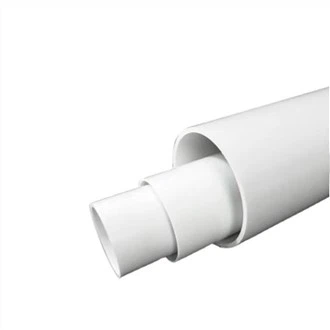
Dimensional accuracy is another key aspect of PPR pipe standards. The outer diameter and wall thickness of PPR pipes are strictly regulated. For example, common outer diameters of PPR pipes range from 20mm to 110mm. The wall thickness is determined based on the pipe's intended use and pressure rating.
The tolerance for the outer diameter and wall thickness is very small. A deviation from the standard dimensions can lead to problems during installation. If the outer diameter is too large, the pipe may not fit properly into the fittings; if it is too small, there may be leaks at the connection points. The length of PPR pipes also follows certain standards. Usually, they are produced in lengths of 4m or 6m, which are convenient for transportation and installation.
Pressure Rating Standards
PPR pipes are designed to handle different levels of water pressure. Pressure ratings are classified according to the pipe's ability to withstand internal pressure over a long period. The most common pressure ratings for PPR pipes are PN1.25, PN1.6, PN2.0, and PN2.5, where PN stands for nominal pressure.
A PN1.25 pipe can withstand a maximum working pressure of 1.25 MPa (megapascals), while a PN2.5 pipe can handle up to 2.5 MPa. When selecting PPR pipes for a plumbing system, it is essential to choose the appropriate pressure rating based on the actual water pressure in the area. For example, in high - rise buildings where the water pressure is relatively high, pipes with a higher pressure rating like PN2.0 or PN2.5 should be used.
Installation Standards
Proper installation is as important as the quality of the pipes themselves. PPR pipes are typically joined using heat fusion techniques. During the installation process, the surfaces of the pipe and fitting that are to be joined must be clean and free of dirt, grease, and moisture.
The heating time and temperature during the fusion process are also critical. If the heating time is too short, the joint may not be strong enough; if it is too long, the material may degrade, reducing the integrity of the joint. The insertion depth of the pipe into the fitting is another factor that must meet the standards. A sufficient insertion depth ensures a tight and leak - free connection.
Quality Assurance and Certification
To ensure that PPR pipes meet the required standards, various quality assurance measures are in place. Manufacturers usually conduct in - house quality control tests at every stage of production, from raw material inspection to finished product testing.
In addition, independent third - party certifications are also available. For example, the ISO 15874 standard is an international standard for PPR pipes and fittings. Pipes that are certified to meet this standard have undergone rigorous testing and are recognized for their quality and performance.
When it comes to purchasing PPR pipes, it is advisable to choose products that are certified by well - known organizations. This gives consumers the confidence that the pipes they are buying meet the necessary standards and will perform reliably in their plumbing systems.
The Importance of Meeting Standards
Meeting the standards for PPR pipes is not only important for the proper functioning of the plumbing system but also for safety reasons. Non - standard pipes may be more prone to leaks, which can cause water damage to buildings. In extreme cases, a pipe failure due to non - compliance with pressure ratings can lead to flooding and other hazards.
Moreover, using standard - compliant PPR pipes can also save costs in the long run. High - quality pipes have a longer service life, reducing the need for frequent replacements. They also require less maintenance, as they are less likely to develop problems such as corrosion or blockages.
Our Offerings as a PPR Pipe Supplier
As a PPR pipe supplier, we are committed to providing high - quality pipes that meet all the relevant standards. Our Plastic Pipe Polypropylene products are made from top - grade polypropylene random copolymer resin, ensuring excellent physical and chemical properties.
We offer a wide range of Plastic Polypropylene Pipes with different outer diameters, wall thicknesses, and pressure ratings to meet the diverse needs of our customers. Our pipes are produced with high - precision manufacturing processes, guaranteeing dimensional accuracy.
We also provide detailed installation guides to ensure that our customers can install the pipes correctly. Our Plumbers Ppr Pipe products are popular among professional plumbers for their quality and ease of installation.
Contact Us for Purchase and Consultation
If you are in need of high - quality PPR pipes for your plumbing project, whether it's a residential building, commercial complex, or industrial facility, we are here to help. Our team of experts can assist you in selecting the right pipes based on your specific requirements, such as water pressure, flow rate, and installation conditions.
We understand the importance of reliable plumbing systems and are dedicated to providing products that meet the highest standards. Contact us today to start a discussion about your PPR pipe needs, and let's work together to ensure the success of your plumbing project.


References
- ISO 15874:2019, Plastics piping systems for hot and cold water installations - Polypropylene (PP) - Part 1: General, Part 2: Pipes, Part 3: Fittings, Part 4: Valves, Part 5: Fitness for purpose of the system.
- ASTM D2837, Standard Test Method for Obtaining Hydrostatic Design Basis for Thermoplastic Pipe Materials or Pressure - Design Basis for Thermoplastic Pipe Products.