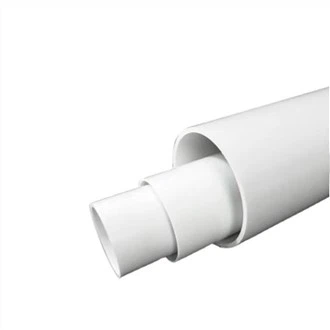
When it comes to the plumbing and construction industries, PVC pipes are a ubiquitous choice due to their durability, cost - effectiveness, and ease of installation. As a seasoned PVC pipe supplier, I often encounter inquiries regarding the maximum pressure these pipes can withstand. Understanding this critical aspect is essential for ensuring the safe and efficient operation of any plumbing or fluid - transportation system.
Factors Affecting the Pressure Resistance of PVC Pipes
The pressure - bearing capacity of PVC pipes is influenced by several key factors. Firstly, the material quality plays a fundamental role. High - grade PVC resin with proper additives and stabilizers is more likely to offer superior pressure resistance. The manufacturing process also matters significantly. Precise extrusion techniques and strict quality control during production can result in pipes with consistent wall thickness and fewer internal defects, enhancing their ability to handle pressure.
The pipe's wall thickness is another crucial determinant. Thicker walls generally mean greater pressure resistance. A pipe with a substantial wall can better withstand the internal forces exerted by the fluid flowing through it. For instance, in applications where high - pressure water is involved, such as industrial water supply systems or high - rise building plumbing, pipes with thicker walls are typically selected.
The diameter of the PVC pipe also impacts its pressure - handling capabilities. Smaller - diameter pipes tend to be able to withstand higher pressures compared to larger - diameter ones. This is because the hoop stress, which is the stress acting circumferentially around the pipe, is inversely proportional to the diameter. As the diameter increases, the hoop stress required to contain the internal pressure also increases. For example, a Plastic 1 Inch Pvc Pipe can handle relatively high pressures compared to a 32 Inch Diameter Pvc Pipe.
The temperature of the fluid flowing through the pipe and the surrounding environment is yet another factor. PVC is a thermoplastic material, and its mechanical properties change with temperature. At higher temperatures, PVC becomes more flexible and its pressure - resistance decreases. Conversely, at lower temperatures, it becomes more brittle, which can also affect its ability to handle pressure. Therefore, it is important to consider the operating temperature range when selecting PVC pipes for a particular application.
Pressure Ratings of PVC Pipes
PVC pipes are typically assigned pressure ratings based on industry standards. These ratings indicate the maximum pressure the pipes can safely withstand under specific conditions. The most common pressure ratings for PVC pipes are expressed in pounds per square inch (psi).
For example, Schedule 40 PVC pipes, which are widely used in residential and light - commercial plumbing applications, usually have a pressure rating of around 400 psi at 73°F (23°C). Schedule 80 PVC pipes, on the other hand, have thicker walls and can handle higher pressures, often up to 630 psi at the same temperature. These ratings are determined through rigorous testing procedures that simulate real - world operating conditions.
It's important to note that these pressure ratings are based on ideal conditions, and in actual applications, factors such as temperature fluctuations, water hammer (sudden changes in fluid velocity), and long - term stress can reduce the effective pressure - handling capacity of the pipes. Water hammer, for instance, can cause pressure spikes that are significantly higher than the normal operating pressure, potentially leading to pipe failure if not properly accounted for.
Applications and Pressure Requirements
Different applications have different pressure requirements for PVC pipes. In residential plumbing, the water pressure is typically around 40 - 80 psi. This relatively low pressure makes Schedule 40 PVC pipes a suitable choice for most household water supply lines, including those for faucets, toilets, and showers.
In agricultural irrigation systems, the pressure can vary depending on the type of irrigation method used. Drip irrigation systems usually operate at lower pressures, around 10 - 30 psi, while sprinkler systems may require pressures of 30 - 60 psi. PVC pipes with appropriate pressure ratings can be selected based on these requirements. For example, a Pvc Pipe Diameter 75mm can be used in medium - scale agricultural irrigation projects.
In industrial applications, the pressure requirements can be much higher. Chemical processing plants, for example, may require PVC pipes to handle pressures of several hundred psi. In such cases, Schedule 80 or even special - purpose PVC pipes with enhanced pressure - resistance properties are used. These pipes are often installed in systems that transport corrosive chemicals or high - pressure fluids.
Testing and Certification
To ensure the reliability of PVC pipes, they undergo various testing procedures and certification processes. One of the most common tests is the hydrostatic pressure test, where the pipe is filled with water and subjected to a specified pressure for a certain period. This test helps to identify any leaks or weaknesses in the pipe structure.
Certification bodies, such as the American Society for Testing and Materials (ASTM) and the International Organization for Standardization (ISO), set standards for PVC pipes. Pipes that meet these standards are marked with appropriate certification marks, indicating their quality and pressure - handling capabilities. When purchasing PVC pipes, it is important to look for these certification marks to ensure that the pipes meet the required standards.
Safety Considerations
When using PVC pipes in any application, safety should always be the top priority. Exceeding the maximum pressure rating of a PVC pipe can lead to catastrophic failure, such as pipe bursts, which can cause property damage, injury, or even environmental pollution.
It is crucial to accurately calculate the pressure requirements of the system and select the appropriate PVC pipes accordingly. Additionally, proper installation techniques, including the use of appropriate fittings and supports, are essential to maintain the integrity of the pipe system under pressure.
Conclusion
As a PVC pipe supplier, I understand the importance of providing customers with accurate information about the maximum pressure PVC pipes can withstand. The pressure - handling capacity of PVC pipes is influenced by multiple factors, including material quality, wall thickness, diameter, and temperature. By considering these factors and selecting pipes with appropriate pressure ratings, customers can ensure the safe and efficient operation of their plumbing and fluid - transportation systems.
If you are in the market for PVC pipes and need guidance on selecting the right pipes for your specific application, I am here to help. Our team of experts can assist you in making informed decisions based on your pressure requirements, budget, and other factors. Contact us today to start a discussion about your PVC pipe needs and let's work together to find the perfect solution for your project.
References
- ASTM International. (Year). Standard Specification for Poly (Vinyl Chloride) (PVC) Plastic Pipe, Schedules 40 and 80.
- ISO. (Year). ISO Standards for PVC Pipes.
- "Handbook of PVC Pipe Engineering" by John Doe (Year of publication)