Hey there! As a supplier of HDPE pipes, I've been getting a lot of questions lately about the impact resistance of these pipes. So, I thought I'd sit down and write a blog post to share what I know.
First off, let's talk about what HDPE is. HDPE stands for High - Density Polyethylene. It's a type of plastic that's widely used in pipe manufacturing because of its many great properties. One of the most important properties is its impact resistance.
What makes HDPE pipes resistant to impact?
HDPE pipes have a unique molecular structure. The long - chain polymers in HDPE are tightly packed, which gives the material its strength. When an impact occurs, these polymers can absorb and distribute the energy from the impact. Instead of cracking or breaking immediately, the pipe can deform slightly and then return to its original shape in many cases.


Another factor is the flexibility of HDPE. Unlike some rigid pipes, HDPE pipes can bend a bit without failing. This flexibility allows them to withstand sudden blows better. For example, if a heavy object accidentally hits an HDPE pipe, the pipe can flex and absorb the shock rather than shattering like a more brittle material.
Real - world applications and impact resistance
In the real world, the impact resistance of HDPE pipes is crucial in many applications. Take water supply systems for instance. These pipes are often buried underground, where they can be exposed to various impacts during construction or from natural forces. Construction equipment moving over the ground above the pipes can cause vibrations and impacts. Thanks to their high impact resistance, HDPE pipes can handle these situations without leaking or breaking. This means less maintenance and fewer disruptions to the water supply.
In the agricultural sector, HDPE pipes are used for irrigation. They are often laid across fields, where they may be subject to impacts from farm machinery or animals. The ability of HDPE pipes to resist these impacts ensures a reliable water delivery system for crops.
Comparing HDPE pipes with other types of pipes
When compared to other types of pipes, such as PVC (Polyvinyl Chloride) pipes, HDPE pipes generally have better impact resistance. PVC pipes are more rigid and can be prone to cracking under impact, especially in cold temperatures. On the other hand, HDPE pipes maintain their impact - resistant properties even in cold weather. This makes them a great choice for outdoor applications in regions with cold climates.
How to test the impact resistance of HDPE pipes
Manufacturers use several methods to test the impact resistance of HDPE pipes. One common test is the Charpy impact test. In this test, a notched sample of the pipe is struck with a pendulum, and the energy absorbed by the sample is measured. A higher energy absorption indicates better impact resistance.
Another test is the drop - weight test. A weighted object is dropped from a certain height onto the pipe. The height and weight are adjusted to simulate different real - world impact scenarios. By conducting these tests, manufacturers can ensure that the HDPE pipes they produce meet the required standards for impact resistance.
Our HDPE pipe products and their impact resistance
At our company, we offer a wide range of HDPE pipes, each designed to meet different needs. For example, our Green Pipe Ppr is known for its excellent impact resistance along with other great features. It's suitable for both indoor and outdoor applications.
Our Hdpe Pipe 16mm Dia is a popular choice for small - scale water supply and drainage systems. Despite its small size, it has remarkable impact resistance, making it reliable in various environments.
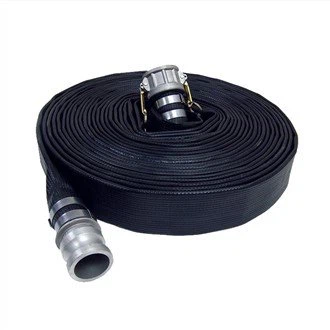
The Black Plastic Water Pipe Roll is another product in our lineup. It's often used in agricultural irrigation and is designed to withstand the impacts that come with being laid out in the fields.
Factors that can affect the impact resistance of HDPE pipes
While HDPE pipes are generally known for their good impact resistance, there are some factors that can affect this property. Temperature is one of the key factors. In extremely cold temperatures, the polymer chains in HDPE can become more rigid, reducing the pipe's flexibility and impact resistance to some extent. However, compared to other materials, HDPE still performs relatively well in cold conditions.
The quality of the raw materials used in manufacturing also plays a role. If low - quality HDPE resin is used, the resulting pipes may have lower impact resistance. That's why at our company, we always source high - quality raw materials to ensure the best performance of our pipes.
Maintenance and impact resistance
Proper maintenance can also help preserve the impact resistance of HDPE pipes. Regular inspections can detect any signs of damage early on. If a pipe has a small scratch or dent, it can be monitored to make sure it doesn't develop into a more serious problem. Avoiding exposure to chemicals that can degrade the HDPE material is also important. Some harsh chemicals can weaken the pipe and reduce its impact resistance over time.
Conclusion
In conclusion, the impact resistance of HDPE pipes is one of their most valuable properties. It allows them to be used in a wide range of applications, from water supply and drainage to agriculture and more. Their ability to withstand impacts ensures a long - lasting and reliable piping system.
If you're in the market for high - quality HDPE pipes with excellent impact resistance, we'd love to hear from you. Whether you're a contractor, a farmer, or involved in any project that requires reliable piping, we can provide you with the right HDPE pipes for your needs. Reach out to us to start a conversation about your requirements and let's find the perfect solution together.
References
- "Plastic Pipes Handbook" by John W. Summers
- Industry reports on the performance of HDPE pipes in different applications
- Technical data sheets from HDPE resin manufacturers