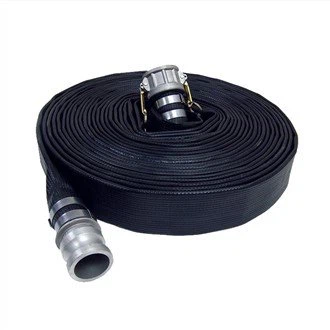
Humidity is an environmental factor that often goes unnoticed in many industrial settings, yet it can have a significant impact on the performance and longevity of hydraulic hoses. As a supplier of hydraulic hoses, I've witnessed firsthand how humidity can affect these crucial components in various applications. In this blog, I'll delve into the effects of humidity on hydraulic hoses and provide insights on how to mitigate potential issues.
Understanding Hydraulic Hoses
Before we explore the impact of humidity, let's briefly understand what hydraulic hoses are and their importance. Hydraulic hoses are flexible tubes designed to convey hydraulic fluid between different components of a hydraulic system. They are commonly used in a wide range of industries, including construction, agriculture, manufacturing, and transportation. These hoses are subjected to high pressures, dynamic movements, and various environmental conditions, making their reliability and durability essential for the proper functioning of hydraulic systems.
The Effects of Humidity on Hydraulic Hoses
1. Corrosion of Metal Components
Most hydraulic hoses have metal fittings at their ends, which are susceptible to corrosion when exposed to high humidity. Humidity provides the necessary moisture for the oxidation process to occur, leading to the formation of rust on the metal surfaces. Corrosion can weaken the structural integrity of the fittings, causing leaks and reducing the overall performance of the hydraulic system. For example, if the corrosion is severe enough, it can cause the fitting to break off, leading to a sudden loss of hydraulic pressure and potential equipment damage.
2. Degradation of Rubber Materials
Hydraulic hoses typically have an inner tube and outer cover made of rubber materials. High humidity can accelerate the degradation of these rubber components. Rubber is a polymer material, and excessive moisture can cause the rubber to swell, soften, and lose its elasticity. This can lead to a decrease in the hose's ability to withstand pressure, resulting in leaks or even bursts. Additionally, the degradation of the rubber can also affect the hose's resistance to abrasion and chemicals, further reducing its lifespan.
3. Growth of Mold and Mildew
Humid environments provide an ideal breeding ground for mold and mildew. These microorganisms can grow on the surface of the hydraulic hoses, especially if they are exposed to dirt and organic matter. Mold and mildew not only look unsightly but can also cause damage to the hose materials. They can break down the rubber polymers, leading to a deterioration of the hose's physical properties. Moreover, the presence of mold and mildew can pose a health risk to workers in the vicinity, as they can release spores into the air.
4. Impact on Sealing Performance
The seals in hydraulic hoses are crucial for preventing fluid leakage. High humidity can affect the sealing performance of these components. Moisture can cause the seals to swell or shrink, depending on the material, which can lead to a loss of the proper sealing force. As a result, hydraulic fluid may leak out of the system, leading to reduced efficiency and potential safety hazards.


Mitigating the Effects of Humidity
1. Proper Storage
One of the most effective ways to mitigate the effects of humidity on hydraulic hoses is to store them properly. Hoses should be stored in a dry, well-ventilated area away from direct sunlight and sources of moisture. If possible, the storage area should be climate-controlled to maintain a consistent temperature and humidity level. Additionally, hoses should be stored in a way that prevents them from being crushed or kinked, as this can damage the internal structure of the hose.
2. Regular Inspection
Regular inspection of hydraulic hoses is essential to detect any signs of damage or degradation caused by humidity. Inspections should include checking for corrosion on the metal fittings, signs of rubber swelling or cracking, and the presence of mold and mildew. Any damaged hoses should be replaced immediately to prevent further problems. It's also a good practice to keep a record of the inspection results to track the condition of the hoses over time.
3. Use of Protective Coatings
Applying protective coatings to the metal fittings and rubber surfaces of hydraulic hoses can help prevent corrosion and degradation. There are various types of coatings available, such as anti-corrosion paints and rubber protectants. These coatings create a barrier between the hose materials and the humid environment, reducing the risk of damage. However, it's important to choose coatings that are compatible with the hose materials and the hydraulic fluid used in the system.
4. Installation in Dry Environments
Whenever possible, hydraulic hoses should be installed in dry environments. If the application requires the hoses to be exposed to humid conditions, additional measures should be taken to protect them. For example, hoses can be enclosed in protective sleeves or shields to prevent direct contact with moisture. Additionally, proper drainage systems can be installed to remove any accumulated water from the area around the hoses.
Our Product Offerings
As a leading supplier of hydraulic hoses, we offer a wide range of high-quality products designed to withstand various environmental conditions, including humidity. Our product portfolio includes Intake Hose Air Filter, which is designed to provide clean air intake for hydraulic systems, and Braided Mineral Antistatic Rubber Hose, which offers excellent resistance to abrasion and static electricity. We also provide Craftsman Pressure Washer Hose, which is suitable for high-pressure washing applications.
Conclusion
Humidity can have a significant impact on the performance and longevity of hydraulic hoses. By understanding the effects of humidity and taking appropriate measures to mitigate them, you can ensure the reliable operation of your hydraulic systems. At our company, we are committed to providing high-quality hydraulic hoses and expert advice to help you overcome the challenges posed by humidity and other environmental factors. If you have any questions or need assistance with your hydraulic hose requirements, please don't hesitate to contact us. We look forward to working with you to find the best solutions for your needs.
References
- ASME B31.12 - Hydrogen Piping and Pipelines
- ISO 18752 - Hydraulic fluid power -- Rubber - and plastics - lined steel wire - braided and wire - spiralled hoses and hose assemblies
- ASTM D412 - Standard Test Methods for Vulcanized Rubber and Thermoplastic Elastomers - Tension