Hey there! As a steel fitting supplier, I've had my fair share of customers scratching their heads over the differences between union and coupling steel fittings. It's a common question, and today, I'm gonna break it down for you in a way that's easy to understand.
Let's start with the basics. Both union and coupling steel fittings are used to connect pipes, but they do it in different ways and for different purposes.
Coupling Steel Fittings
Coupling fittings are like the workhorses of the pipe - connecting world. They're simple, straightforward, and used for a pretty basic job: joining two pipes of the same diameter together. It's a permanent or semi - permanent connection. You can think of them as a kind of "glue" that holds the pipes firmly in place.
Couplings come in various types. For example, there are full - coupling and half - coupling. A full - coupling connects two pipes end - to - end, while a half - coupling is used when you want to connect a pipe to a fitting or a tank.
One of the main advantages of coupling fittings is their simplicity. They're easy to install. Usually, you just need to slide the coupling over the ends of the pipes and then use a wrench to tighten it up. They're also relatively inexpensive, which makes them a popular choice for many plumbing and industrial applications.
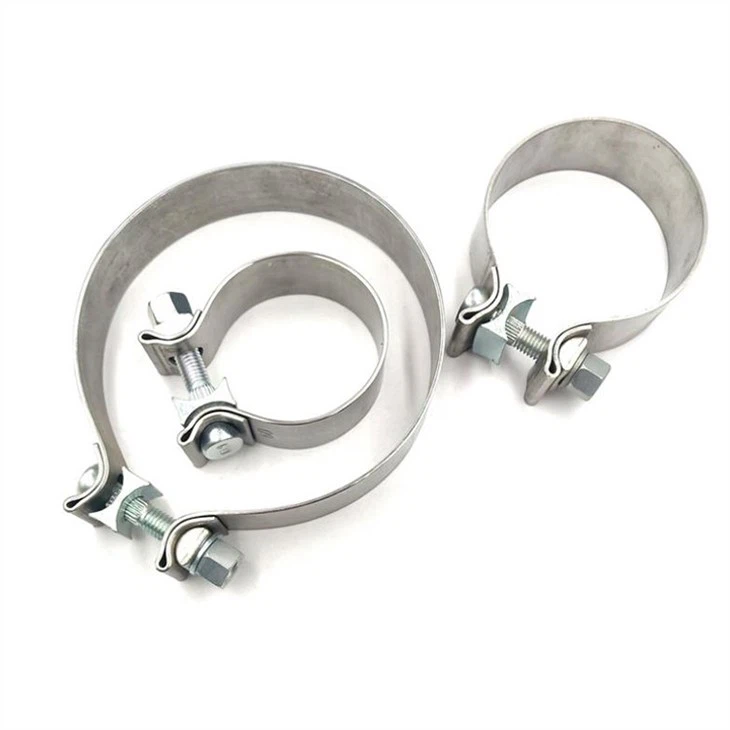
If you're in the market for coupling fittings, you might want to check out our Fitting And Clamp page. We've got a wide range of high - quality coupling steel fittings that are built to last.
Union Steel Fittings
Now, let's talk about union fittings. Unions are a bit more sophisticated than couplings. Their main selling point is that they provide a detachable connection between pipes. This means you can easily take the pipes apart for maintenance, repairs, or replacement.
A union fitting is made up of three parts: a nut, a male end, and a female end. The male and female ends are attached to the pipes, and then the nut is used to join them together. When you need to separate the pipes, you simply loosen the nut.
This detachable feature makes union fittings ideal for applications where you might need to access the pipes regularly. For example, in a plumbing system, if you have a section of pipe that frequently gets clogged, using a union fitting allows you to quickly disconnect the pipes and clear the blockage.
However, union fittings are generally more expensive than couplings. They also require a bit more skill to install correctly. But the convenience they offer in terms of disassembly often makes up for these drawbacks.
If you're interested in union fittings, we also have a great selection of Galvanized Steel Pipe Fittings that include high - quality union options.
Key Differences
- Connection Type: The most obvious difference is the type of connection. Couplings provide a fixed, non - detachable connection, while unions offer a detachable one.
- Installation and Disassembly: Couplings are easier to install but difficult to disassemble once they're in place. Unions, on the other hand, are a bit more complex to install but extremely easy to take apart.
- Cost: Couplings are usually cheaper than unions. This is because they're simpler in design and require less material.
- Application: Couplings are great for permanent installations where you don't need to access the pipes often. Unions are better for situations where regular maintenance or replacement is required.
Material and Durability
Both union and coupling steel fittings can be made from different types of steel, such as carbon steel. Carbon steel is known for its strength and durability. Our Carbon Steel Pipe Fittings Elbow page showcases some of our carbon - steel - based fittings, including unions and couplings.
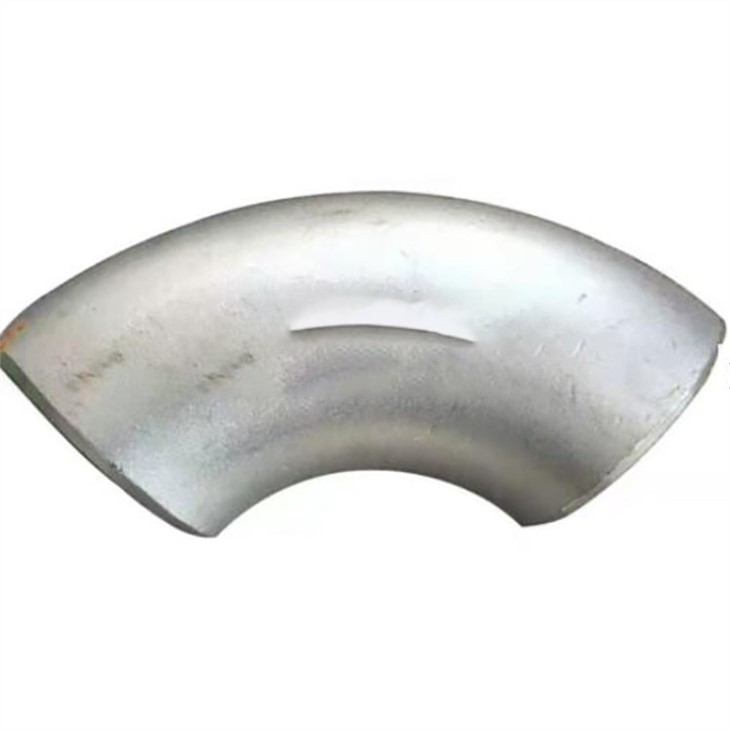
Carbon steel fittings can withstand high pressure and temperature, making them suitable for a wide range of industrial applications. However, they are prone to rust if not properly protected. That's why many of our steel fittings are galvanized. Galvanization adds a layer of zinc to the steel, which protects it from corrosion and extends its lifespan.
When to Choose Which
So, how do you decide whether to use a union or a coupling? Well, it all depends on your specific needs.
If you're working on a DIY plumbing project at home and you're just connecting two pipes that will be in place for a long time without any need for disassembly, a coupling is probably the way to go. It's simple, cheap, and gets the job done.
On the other hand, if you're working on an industrial system where pipes need to be regularly inspected or replaced, a union fitting is a better choice. The ability to quickly disconnect the pipes can save you a lot of time and effort in the long run.
Quality and Reliability
As a steel fitting supplier, we understand the importance of quality. All our union and coupling steel fittings are manufactured to the highest standards. We source our materials from trusted suppliers and use advanced manufacturing techniques to ensure that our fittings are strong, durable, and reliable.
We also offer a wide range of sizes and specifications to meet the diverse needs of our customers. Whether you need a small - diameter coupling for a home plumbing project or a large - scale union fitting for an industrial application, we've got you covered.
Conclusion
In conclusion, while both union and coupling steel fittings are used for connecting pipes, they have distinct differences in terms of connection type, installation, cost, and application. Understanding these differences is crucial for choosing the right fitting for your project.
If you're still not sure which fitting is right for you, or if you have any questions about our products, don't hesitate to reach out. We're here to help you make the best decision for your needs. Whether you're a professional plumber, an industrial engineer, or a DIY enthusiast, we've got the steel fittings you need. So, let's start a conversation and get your project on the right track!
References
- "Pipe Fittings Handbook" - A comprehensive guide on different types of pipe fittings and their applications.
- "Steel Fitting Manufacturing Standards" - Industry standards that govern the production of high - quality steel fittings.