Hey there! As a PPR pipe supplier, I've got a ton to share about the appearance quality requirements of PPR pipes. Let's dive right in.
First off, what the heck is a PPR pipe? Well, PPR stands for Polypropylene Random Copolymer. These pipes are super popular in plumbing systems because they're durable, corrosion - resistant, and easy to install. And just like any product, the appearance of PPR pipes matters a whole lot.
Surface Smoothness
One of the most important appearance quality requirements for PPR pipes is surface smoothness. A smooth surface isn't just for looks; it has practical benefits too. When a pipe has a smooth surface, it reduces the friction inside the pipe. This means that water can flow through the pipe more easily, which is crucial for efficient plumbing systems.

If you run your hand along a high - quality PPR pipe, it should feel like silk. There shouldn't be any bumps, ridges, or rough patches. Rough surfaces can trap dirt and debris over time, which can lead to clogs and reduced water flow. It's like trying to push a ball through a bumpy tunnel compared to a smooth one.
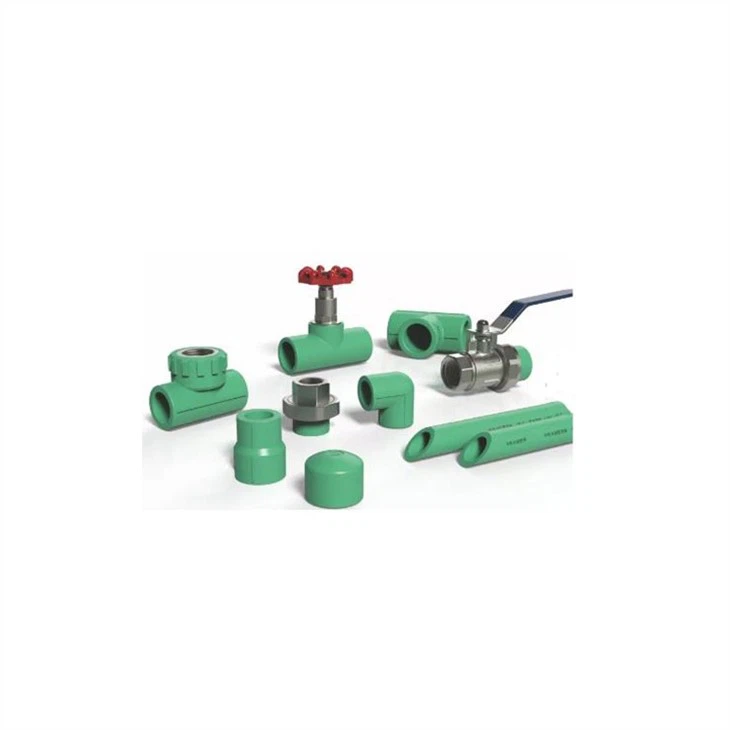
When we manufacture PPR pipes, we use advanced extrusion techniques to ensure that the surface is as smooth as possible. Any imperfection in the manufacturing process can lead to a less - than - perfect surface finish. And as a supplier, I know that customers can tell the difference between a well - made pipe with a smooth surface and a cheap one with a rough texture. You can check out our Plastic Pipe Ppr for some great examples of pipes with excellent surface smoothness.
Color Consistency
Color might seem like a minor detail, but it's actually an important part of the appearance quality of PPR pipes. Most PPR pipes come in white, but there can also be other colors like gray or green. The key is that the color should be consistent throughout the pipe.
Inconsistent color can be a sign of poor manufacturing. It could mean that the raw materials weren't mixed properly or that there were issues during the extrusion process. For example, if you see a pipe that has streaks or patches of a different color, it's a red flag.
Color consistency also matters for aesthetic reasons. In a plumbing installation, all the pipes should look the same. If you have pipes with different shades of white, it can make the whole system look unprofessional. As a supplier, we take great care to ensure that our Plastic Pipe Polypropylene products have a uniform color. We use high - quality pigments and strict quality control measures to achieve this.
No Cracks or Holes
This one is a no - brainer. A PPR pipe with cracks or holes is useless. Cracks can lead to leaks, which can cause water damage to buildings and infrastructure. Holes are even worse, as they can completely disrupt the flow of water.
During the manufacturing process, we conduct thorough inspections to check for cracks and holes. We use both visual inspections and advanced testing equipment. For example, we might use pressure testing to see if the pipe can hold up under normal operating conditions. If there are any cracks or holes, the pipe is immediately rejected.
As a customer, you should always inspect the pipes before installation. Look closely at the entire length of the pipe. If you see any signs of damage, don't use the pipe. It's better to be safe than sorry when it comes to plumbing. Our Plumbers Ppr Pipe products are carefully inspected to ensure that they are free of cracks and holes.
Uniform Wall Thickness
Another critical appearance quality requirement is uniform wall thickness. The wall thickness of a PPR pipe determines its strength and durability. If the wall thickness is uneven, some parts of the pipe will be weaker than others.
Imagine a pipe where one side has a thin wall and the other side has a thick wall. When water flows through the pipe, the thin - walled section is more likely to burst under pressure. This can be a major problem in a plumbing system, especially in high - pressure applications.
To ensure uniform wall thickness, we use precision manufacturing equipment. The extrusion process is carefully controlled to make sure that the pipe has the same wall thickness throughout its length. During quality control, we measure the wall thickness at multiple points along the pipe. If the wall thickness deviates from the specified range, the pipe is not allowed to leave our factory.
Markings and Labels
Markings and labels on PPR pipes are important for several reasons. First of all, they provide information about the pipe, such as its size, pressure rating, and manufacturing date. This information is crucial for installers and plumbers, as it helps them choose the right pipe for the job.
The markings should be clear, legible, and permanent. They shouldn't fade or rub off easily. If the markings are unclear or start to disappear, it can lead to confusion during installation. For example, if the pressure rating isn't clearly marked, the installer might use the pipe in an application where it can't handle the pressure, which can result in a failure.
As a supplier, we take great care in applying the markings and labels. We use high - quality printing techniques to ensure that the markings are long - lasting. We also make sure that the information on the markings is accurate and up - to - date.
End Finish
The end finish of a PPR pipe is also an important aspect of its appearance quality. The ends of the pipe should be cut cleanly and smoothly. There shouldn't be any burrs or rough edges.
A clean end finish is essential for proper joining of the pipes. When pipes are joined together, a rough or uneven end can prevent a tight seal. This can lead to leaks and reduced performance of the plumbing system.
During the manufacturing process, we use sharp cutting tools to ensure a clean end finish. After cutting, we also check the ends to make sure they meet the required standards.
Why Appearance Quality Matters
You might be wondering why appearance quality is such a big deal. Well, it's not just about looks. A pipe with good appearance quality is usually a sign of a well - made product. It means that the manufacturer has paid attention to the details and used high - quality materials and manufacturing processes.
A high - quality PPR pipe is more likely to be durable, reliable, and perform well over time. It can save you money in the long run by reducing the need for repairs and replacements. And as a supplier, I want to provide my customers with the best products possible.
Contact Us for Your PPR Pipe Needs
If you're in the market for PPR pipes, I'd love to have a chat with you. Whether you're a plumber working on a small residential project or a contractor on a large commercial job, we have the right PPR pipes for you. We can offer you high - quality pipes that meet all the appearance quality requirements I've talked about. So, don't hesitate to reach out and start a conversation about your PPR pipe procurement. Let's work together to ensure your plumbing projects are a success!
References
- "Handbook of Plastic Pipe Engineering"
- Industry standards for PPR pipe manufacturing and quality control.