

Hey there! As a PPR pipe supplier, I often get asked about the antibacterial performance of PPR pipes. So, I thought I'd take a moment to share some insights on this topic.
First off, let's talk about what PPR pipes are. PPR stands for Polypropylene Random Copolymer. These pipes are widely used in plumbing systems because they're lightweight, durable, and resistant to corrosion. They're also easy to install, which makes them a popular choice for both professional plumbers and DIY enthusiasts.
Now, onto the big question: What's the antibacterial performance of PPR pipes? Well, PPR pipes have some natural antibacterial properties. The smooth inner surface of PPR pipes doesn't provide a good environment for bacteria to attach and grow. Unlike some other materials, PPR doesn't have pores or crevices where bacteria can hide and multiply. This smoothness helps to keep the water flowing through the pipes clean and reduces the risk of bacterial contamination.

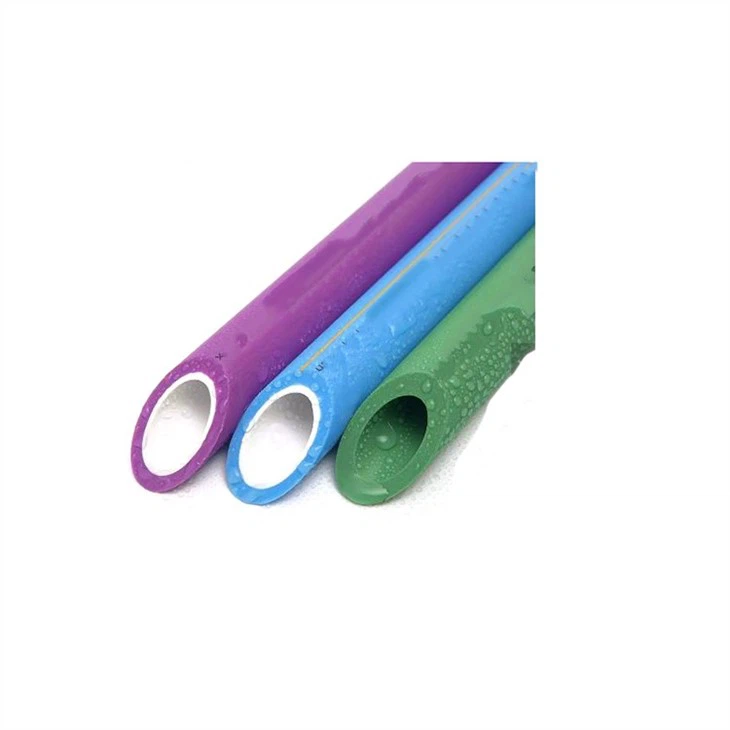
But that's not all. Some PPR pipes on the market are specially treated to enhance their antibacterial performance. These pipes are infused with antibacterial agents during the manufacturing process. These agents work by inhibiting the growth of bacteria on the inner surface of the pipes. They can help to reduce the presence of harmful bacteria like E. coli and Legionella, which are commonly found in water systems.
One of the benefits of using PPR pipes with enhanced antibacterial properties is that they can help to improve the quality of the water that flows through them. This is especially important in applications where clean water is crucial, such as in residential plumbing, hospitals, and food processing facilities. By reducing the amount of bacteria in the water, these pipes can help to prevent waterborne diseases and ensure the health and safety of the people using the water.
Another advantage of PPR pipes is that they're resistant to chemical corrosion. This means that they can withstand the effects of chemicals commonly found in water, such as chlorine and fluoride. These chemicals are often added to water supplies to disinfect the water and kill bacteria. PPR pipes can maintain their antibacterial performance even in the presence of these chemicals, which makes them a reliable choice for plumbing systems.
When it comes to choosing PPR pipes with good antibacterial performance, it's important to look for products that have been tested and certified. There are several international standards and certifications that indicate a pipe's antibacterial properties. For example, the ISO 22196 standard measures the antibacterial activity of plastic surfaces. Pipes that meet this standard have been proven to have a high level of antibacterial performance.
As a PPR pipe supplier, I can offer a range of PPR pipes with different levels of antibacterial performance. Whether you're looking for standard PPR pipes with natural antibacterial properties or pipes with enhanced antibacterial treatment, I can help you find the right product for your needs. You can check out our Plumbers Ppr Pipe, Plastic Pipe Ppr, and Plastic Polypropylene Pipes on our website to see the options available.
In addition to their antibacterial performance, PPR pipes also offer other benefits. They're energy-efficient, as they have low heat conductivity, which helps to reduce heat loss in hot water systems. They're also cost-effective, as they're relatively inexpensive compared to other types of pipes. And because they're lightweight and easy to install, they can save you time and money on installation costs.
If you're in the market for PPR pipes and want to learn more about their antibacterial performance or other features, don't hesitate to get in touch. I'm here to answer any questions you may have and help you make the best choice for your plumbing project. Whether you're a contractor, a builder, or a homeowner, I can provide you with the information and products you need to ensure a successful installation.
In conclusion, PPR pipes have excellent antibacterial performance, whether it's their natural smooth surface or the enhanced antibacterial treatment. They're a reliable and cost-effective choice for plumbing systems, especially in applications where clean water is essential. So, if you're looking for high-quality PPR pipes with good antibacterial properties, give me a shout. I'd love to help you find the perfect solution for your needs.
References
- ISO 22196:2011 - Plastics -- Measurement of antibacterial activity on plastics surfaces
- Various industry research reports on PPR pipes
