Hey there! I'm a supplier of PPR pipes, and I've got a bunch of experience when it comes to dealing with all sorts of installation scenarios. Today, I'm gonna talk about how to install PPR pipes in a humid environment. It's a bit of a tricky situation, but with the right know - how, you can get the job done right.
Why Humid Environments Are a Challenge
First off, let's understand why installing PPR pipes in a humid environment is different. Humidity can mess with the bonding process of PPR pipes. When you're joining PPR pipes together, you usually use a special solvent or heat - fusion method. In a humid environment, moisture in the air can get in the way. If there's too much moisture on the pipe surfaces, it can prevent a proper bond, which might lead to leaks down the line.
Pre - installation Preparations
Pipe Selection
Before you start the installation, you need to pick the right pipes. I'd recommend checking out our Plumbers Ppr Pipe. These pipes are designed to be more resistant to the effects of humidity. They have a special coating that helps prevent moisture from seeping into the pipe material. Also, Plastic Pipe Ppr is a great option. It's made from high - quality plastic that can withstand the challenges of a humid environment.
Site Inspection
You've got to take a good look at the installation site. Check for any areas where water might be pooling or where the humidity is extremely high. If there are spots like that, you might need to do some extra work to dry them out before you start installing the pipes. You can use fans or dehumidifiers to reduce the moisture level.
Cleaning the Pipes
Cleaning the pipes is super important. Use a clean, dry cloth to wipe down the pipes. Make sure there's no dust, dirt, or moisture on the surfaces. Any contaminants can affect the bonding process. You can also use a mild cleaning solution if the pipes are really dirty, but make sure to dry them thoroughly afterward.
Installation Process
Cutting the Pipes
When you're cutting the PPR pipes, use a sharp pipe cutter. A dull cutter can cause rough edges, which can make it harder to get a good bond. Measure the pipes carefully before you cut them. You don't want to end up with pipes that are too short or too long.
Joining the Pipes
There are two main ways to join PPR pipes: solvent welding and heat fusion. In a humid environment, heat fusion is usually the better option. Solvent welding can be affected by moisture in the air, but heat fusion creates a strong, seamless bond.

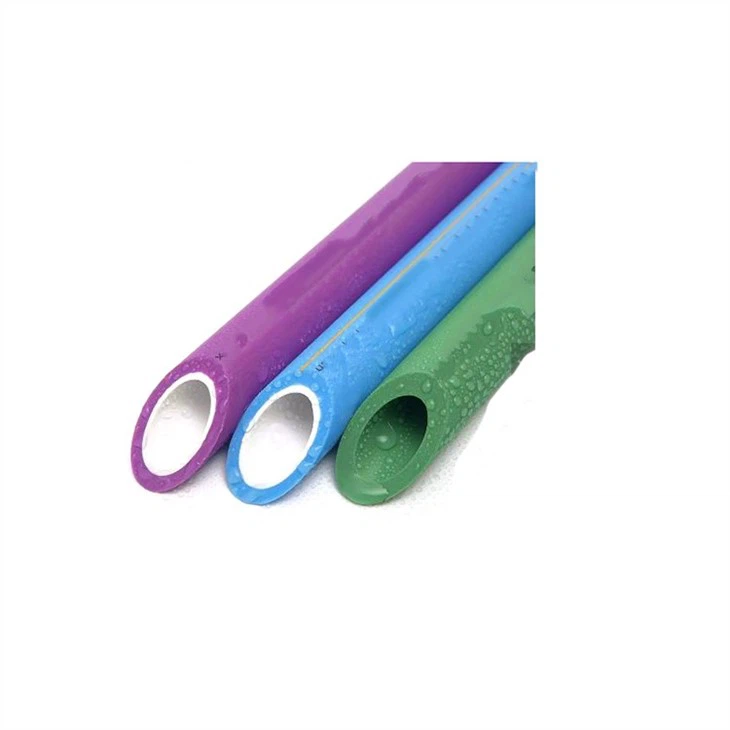
To do heat fusion, you'll need a heat fusion tool. First, heat up the tool to the right temperature according to the manufacturer's instructions. Then, insert the pipe and the fitting into the tool at the same time. Hold them there for a few seconds until the plastic softens. Quickly remove them from the tool and push the pipe into the fitting. Make sure they're aligned properly. Hold them in place for a little while until the plastic cools and hardens.
Securing the Pipes
Once you've joined the pipes, you need to secure them in place. Use pipe clips or brackets to hold the pipes firmly. This will prevent them from moving around, especially in a humid environment where the pipes might expand or contract due to changes in temperature and moisture.
Post - installation Checks
Leak Testing
After the installation is done, you've got to do a leak test. Fill the pipes with water and check for any leaks at the joints. If you find a leak, you'll need to fix it right away. You might have to cut out the faulty section and re - join the pipes.
Insulation
Consider insulating the pipes. In a humid environment, insulation can help prevent condensation on the pipes. Condensation can lead to water damage and can also promote the growth of mold and mildew. You can use foam insulation sleeves to wrap around the pipes.
Tips for a Successful Installation
- Work in Dry Conditions: Try to do the installation on a dry day or during a time when the humidity is lower. If that's not possible, use a dehumidifier in the work area.
- Keep the Tools Dry: Make sure all your tools are dry. Wet tools can transfer moisture to the pipes and fittings.
- Store the Pipes Properly: Store the PPR pipes in a dry place before the installation. If they've been sitting in a humid area, dry them off before using them.
Conclusion
Installing PPR pipes in a humid environment is definitely a challenge, but it's not impossible. By following these steps and using the right products like Plastic Polypropylene Pipes, you can ensure a successful installation. If you're in the market for high - quality PPR pipes for your next project, whether it's in a humid environment or not, don't hesitate to get in touch. We're here to help you find the best solutions for your plumbing needs.
References
- "PPR Pipe Installation Guide" - A comprehensive guide on installing PPR pipes in various conditions.
- Manufacturer's instructions for PPR pipes and heat fusion tools.