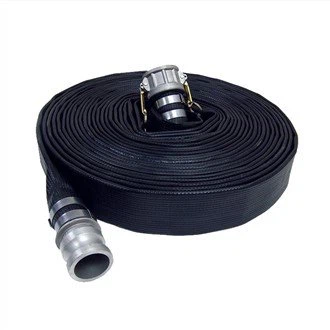
When it comes to setting up a hydroponic system, selecting the right components is crucial for ensuring the health and productivity of your plants. One often-overlooked yet essential element is the garden hose. PVC garden hoses, in particular, are a popular choice due to their durability, flexibility, and affordability. As a PVC garden hose supplier, I have witnessed firsthand the benefits and challenges that come with using these hoses in hydroponic systems. In this blog post, I will discuss the key considerations to keep in mind when incorporating a PVC garden hose into your hydroponic setup.
Material Quality and Compatibility
The first and foremost consideration is the quality of the PVC material used in the garden hose. Not all PVC hoses are created equal, and choosing a high-quality product is essential for the long-term success of your hydroponic system. Look for hoses that are made from food-grade PVC, which is free from harmful chemicals and additives that could leach into the water and potentially harm your plants.
In addition to the material quality, it's important to ensure that the PVC garden hose is compatible with the other components of your hydroponic system. This includes the water pump, nutrient reservoir, and any other equipment that comes into contact with the water. Check the hose's specifications to ensure that it can handle the water pressure and flow rate required by your system. Using an incompatible hose could lead to leaks, clogs, or other issues that could disrupt the operation of your hydroponic setup.
Size and Length
The size and length of the PVC garden hose are also important factors to consider. The diameter of the hose will determine the water flow rate, while the length will affect the pressure and the distance the water can travel. For most hydroponic systems, a hose with a diameter of 1/2 inch is sufficient. However, if you have a larger system or need to transport water over a longer distance, you may need to consider a larger diameter hose.
When selecting the length of the hose, it's important to measure the distance between the water source and the various components of your hydroponic system. Make sure to leave some extra length to allow for flexibility and easy installation. It's also a good idea to choose a hose that is slightly longer than you think you'll need, as it's easier to trim a hose than to add length later.
UV Resistance
Hydroponic systems are often located outdoors or in areas with exposure to sunlight. Over time, prolonged exposure to UV rays can cause the PVC material in the garden hose to degrade, leading to cracks, leaks, and other damage. To prevent this, it's important to choose a PVC garden hose that is UV resistant.
UV-resistant hoses are treated with special additives that protect the material from the harmful effects of sunlight. This not only extends the lifespan of the hose but also ensures that it remains in good condition and continues to function properly. When shopping for a PVC garden hose, look for products that are labeled as UV resistant or have a high level of UV protection.
Flexibility and Bend Radius
Flexibility is another important consideration when choosing a PVC garden hose for your hydroponic system. A flexible hose is easier to maneuver and install, especially in tight spaces or around corners. It also reduces the risk of kinking, which can restrict the water flow and cause damage to the hose.
In addition to flexibility, the bend radius of the hose is also important. The bend radius refers to the minimum radius at which the hose can be bent without kinking or restricting the water flow. A smaller bend radius means that the hose can be bent more sharply, which can be useful in certain hydroponic setups. When selecting a PVC garden hose, look for products that have a small bend radius and are designed to be flexible.
Ease of Installation and Maintenance
Installing and maintaining a PVC garden hose in your hydroponic system should be a straightforward process. Look for hoses that come with easy-to-use connectors and fittings that can be easily attached and detached. Some hoses may also come with additional features, such as quick-connect couplings or shut-off valves, which can make installation and maintenance even easier.


In addition to ease of installation, it's important to consider the maintenance requirements of the PVC garden hose. Regular cleaning and inspection are essential to ensure that the hose remains in good condition and continues to function properly. Look for hoses that are easy to clean and can be disassembled if necessary. Some hoses may also be dishwasher safe, which can make cleaning even more convenient.
Cost and Value
Finally, cost is always a consideration when choosing a PVC garden hose for your hydroponic system. While it's important to choose a high-quality product, you also don't want to overspend. Compare the prices of different hoses and consider the features and benefits that each one offers. Look for hoses that offer a good balance of quality, performance, and affordability.
In addition to the upfront cost, it's also important to consider the long-term value of the PVC garden hose. A high-quality hose that is durable and requires minimal maintenance will save you money in the long run by reducing the need for frequent replacements. When making your decision, consider the overall value that the hose offers rather than just the initial cost.
Conclusion
In conclusion, choosing the right PVC garden hose for your hydroponic system is essential for ensuring the health and productivity of your plants. By considering the factors discussed in this blog post, you can select a hose that is high-quality, compatible, and suitable for your specific needs. Remember to choose a hose that is made from food-grade PVC, is UV resistant, has a suitable size and length, is flexible, and is easy to install and maintain.
If you're interested in learning more about our PVC garden hoses or have any questions about using them in your hydroponic system, please don't hesitate to [contact us for a purchase consultation]. We're here to help you find the perfect solution for your hydroponic setup.
References
- "Hydroponics: A Comprehensive Guide to Soilless Gardening" by Dr. Linda Chalker-Scott
- "The Hydroponic Gardener's Handbook" by R. J. Rorabaugh
- "PVC Pipe Handbook" by the Plastic Pipe and Fittings Association