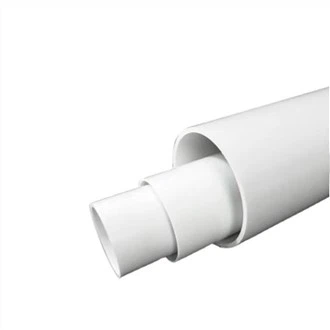
Hey there! As a PPR pipe supplier, I've seen firsthand the numerous advantages that these pipes bring to the table. In this blog, I'm gonna break down why PPR pipes are a top choice for so many applications.
Durability and Long - Term Performance
One of the biggest perks of PPR pipes is their durability. These pipes are made from polypropylene random copolymer, which is a strong and resilient material. It can withstand a wide range of temperatures, both hot and cold. Whether you're dealing with scorching hot water in a heating system or cold water supply, PPR pipes won't let you down.
They have a long lifespan, often lasting for 50 years or more under normal operating conditions. This means that once you install PPR pipes, you don't have to worry about frequent replacements. Unlike some other types of pipes, PPR pipes don't corrode or rust. Corrosion is a major issue with metal pipes, as it can lead to leaks, reduced water flow, and even contamination of the water supply. But with PPR pipes, you can say goodbye to these problems.
Chemical Resistance
PPR pipes are highly resistant to a variety of chemicals. This makes them suitable for use in both residential and industrial settings. In industrial applications, where pipes may come into contact with different chemicals, PPR pipes can handle it. They won't react with most common chemicals, ensuring that the integrity of the pipe remains intact.
For example, in a factory where certain chemicals are used in the production process, PPR pipes can be used to transport water or other fluids without fear of chemical degradation. In residential settings, they can also resist the chemicals found in cleaning agents and other household products that might accidentally get into the plumbing system. You can check out more about Plastic Polypropylene Pipes to see how their chemical resistance works in different scenarios.
Energy Efficiency
When it comes to energy efficiency, PPR pipes are a winner. They have excellent insulation properties, which means they can reduce heat loss in hot water systems. In a hot water supply system, less heat loss means that the water heater doesn't have to work as hard to maintain the desired water temperature. This translates into lower energy consumption and cost savings for the user.
For instance, in a large building with a central hot water system, using PPR pipes can significantly reduce the overall energy bill. The insulation also helps in cold water systems by preventing the pipes from sweating, which can cause damage to the surrounding structures over time.
Easy Installation
Installing PPR pipes is a breeze compared to other types of pipes. They are lightweight, which makes them easier to handle and transport. You don't need heavy - duty equipment to move them around during the installation process.
PPR pipes are joined using a fusion welding technique. This creates a strong and leak - proof joint. The fusion welding process is relatively simple and doesn't require a lot of specialized skills. Even a moderately experienced plumber can quickly learn how to install PPR pipes. This ease of installation not only saves time but also reduces labor costs. You can find more details about the installation process on Plastic Pipe Ppr.
Smooth Inner Surface
The inner surface of PPR pipes is incredibly smooth. This smoothness has several benefits. Firstly, it allows for better water flow. There is less friction inside the pipe, which means that water can move through the pipes more easily. This results in higher water pressure at the outlets, ensuring a good supply of water to all fixtures.
Secondly, the smooth surface prevents the buildup of scale and sediment. Scale and sediment buildup can reduce the inner diameter of the pipe over time, leading to reduced water flow and potential blockages. With PPR pipes, you don't have to worry about these issues, and your plumbing system will continue to work efficiently for years to come.
Cost - Effectiveness
PPR pipes offer great value for money. Their initial cost is relatively low compared to some other types of pipes, such as copper pipes. And when you factor in their long lifespan, low maintenance requirements, and energy - saving benefits, the overall cost of using PPR pipes is even more attractive.
For a homeowner or a building contractor, choosing PPR pipes can lead to significant cost savings in the long run. You don't have to spend a fortune on purchasing the pipes, and you won't have to shell out a lot of money for repairs and replacements over the years. You can also save on energy costs, as mentioned earlier. Check out Plastic Pipe Polypropylene for more information on the cost - effectiveness of these pipes.
Environmental Friendliness
In today's world, environmental friendliness is a big deal. PPR pipes are a great choice from an environmental perspective. They are made from recyclable materials, which means that at the end of their long lifespan, they can be recycled and used to make new products.
Also, their energy - saving properties contribute to a reduced carbon footprint. By using less energy to heat water, for example, the overall energy consumption and greenhouse gas emissions are lowered. This makes PPR pipes a sustainable choice for both residential and commercial plumbing systems.
Hygiene
PPR pipes are hygienic. They don't support the growth of bacteria and other microorganisms. This is crucial for a clean and safe water supply. In a drinking water system, you want to ensure that the water remains pure and free from contaminants. PPR pipes help in maintaining the hygiene of the water supply.
The smooth inner surface, as mentioned earlier, also plays a role in preventing the accumulation of dirt and bacteria. You can be confident that the water flowing through PPR pipes is as clean as when it entered the system.
Versatility
PPR pipes are incredibly versatile. They can be used in a wide range of applications, including residential plumbing, industrial piping, and even in irrigation systems. In residential plumbing, they can be used for both hot and cold water supply lines, as well as for drainage systems.
In industrial settings, they can handle different types of fluids, from water to some non - aggressive chemicals. In irrigation systems, their durability and resistance to the elements make them a great choice for transporting water to fields and gardens.
If you're looking for a reliable, cost - effective, and high - performance piping solution, PPR pipes are the way to go. Whether you're a homeowner, a building contractor, or an industrial facility manager, these pipes can meet your needs. If you're interested in purchasing PPR pipes for your project, feel free to reach out to me for more information and to start a procurement discussion. I'd be more than happy to assist you in finding the right PPR pipes for your specific requirements.


References
- Pipes and Fittings Handbook
- Plumbing Engineering Textbooks
- Industry Reports on Plastic Piping Materials