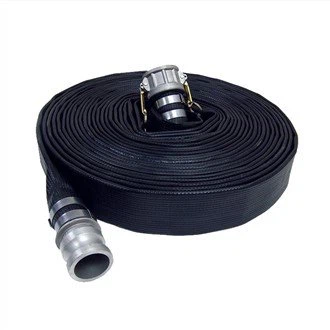
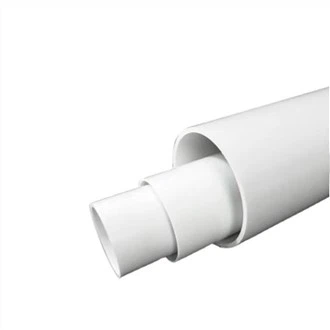
When it comes to maintaining a beautiful garden, having the right tools is essential. One such tool that often goes unnoticed but plays a crucial role is the garden hose. Among the various types of garden hoses available in the market, PVC garden hoses are a popular choice due to their affordability, flexibility, and durability. However, a common question that arises among gardeners is, "Is a thicker PVC garden hose better?" In this blog post, we'll delve into this question and provide you with all the information you need to make an informed decision. As a PVC garden hose supplier, we have extensive knowledge and experience in this field, and we're here to share our insights with you.
Understanding PVC Garden Hoses
Before we discuss the thickness of PVC garden hoses, let's first understand what PVC is and why it's commonly used in garden hoses. PVC, or polyvinyl chloride, is a synthetic plastic polymer that is widely used in various industries due to its versatility and cost - effectiveness. In the context of garden hoses, PVC offers several advantages. It is lightweight, which makes it easy to handle and maneuver around the garden. It is also resistant to many chemicals and UV rays, which helps to prevent damage from exposure to the elements.
The Concept of Hose Thickness
The thickness of a PVC garden hose is typically referred to as the wall thickness. The wall thickness is measured in millimeters or inches and can vary significantly from one hose to another. A thicker wall generally means that there is more material used in the construction of the hose.
Advantages of a Thicker PVC Garden Hose
- Durability: One of the most significant advantages of a thicker PVC garden hose is its increased durability. A thicker wall can withstand more wear and tear, making it less likely to develop leaks or cracks over time. For example, if you have a large garden and need to move the hose around frequently, a thicker hose will be more resistant to abrasion from being dragged across rough surfaces. It can also better withstand the pressure of water flowing through it, reducing the risk of bursting under high - pressure conditions.
- Pressure Resistance: Thicker PVC garden hoses are better at handling high water pressure. When you connect your hose to a high - pressure water source, such as a powerful pump, a thicker wall can prevent the hose from expanding or bursting. This is especially important if you need to use the hose for tasks that require a strong stream of water, like washing a car or cleaning a large patio.
- Longer Lifespan: Due to their enhanced durability and pressure resistance, thicker PVC garden hoses generally have a longer lifespan. You won't have to replace them as often as thinner hoses, which can save you money in the long run. This is a significant advantage for both homeowners and commercial gardeners who rely on their hoses for regular maintenance.
Disadvantages of a Thicker PVC Garden Hose
- Weight: A thicker PVC garden hose is heavier than a thinner one. This can make it more difficult to handle, especially if you have to carry it around the garden for extended periods. For example, if you have a small garden and need to move the hose from one end to the other frequently, the extra weight can be a nuisance.
- Cost: Thicker hoses usually cost more than thinner ones. The additional material used in their construction increases the manufacturing cost, which is then passed on to the consumer. If you're on a tight budget, a thicker hose may not be the most cost - effective option.
- Flexibility: While PVC hoses are generally flexible, a thicker wall can reduce the hose's flexibility. This can make it more challenging to coil and store the hose neatly. If you have limited storage space or need to bend the hose around corners, a thinner, more flexible hose may be a better choice.
Factors to Consider When Choosing a Hose Thickness
- Usage: Consider how you will be using the hose. If you need a hose for light - duty tasks, such as watering small flower beds, a thinner hose may be sufficient. However, for heavy - duty tasks like watering a large lawn or power - washing, a thicker hose is recommended.
- Water Pressure: If you have a high - pressure water source, a thicker hose is necessary to prevent it from bursting. On the other hand, if your water pressure is relatively low, a thinner hose may work just fine.
- Budget: Your budget is an important factor. If you can afford it, a thicker hose may be a better long - term investment. But if you're looking for a more affordable option, a thinner hose can still meet your basic needs.
Our Product Recommendations
As a PVC garden hose supplier, we offer a range of hoses with different wall thicknesses to meet the diverse needs of our customers. If you're looking for a lightweight and affordable option for light - duty tasks, our PVC 10 Foot Garden Hose is a great choice. It has a relatively thin wall but still offers good flexibility and basic durability.


For those who need a more robust hose for heavy - duty use, our PVC 15 ft Garden Hose with a thicker wall is ideal. It can handle high water pressure and is more resistant to wear and tear.
If you're interested in converting your existing garden hose to a PVC system, we also offer Garden Hose To Pvc solutions that can help you customize your watering setup.
Conclusion
In conclusion, whether a thicker PVC garden hose is better depends on your specific needs and circumstances. While a thicker hose offers advantages in terms of durability, pressure resistance, and lifespan, it also has drawbacks such as increased weight, cost, and reduced flexibility. By considering factors like usage, water pressure, and budget, you can make an informed decision about which hose thickness is right for you.
If you have any questions or would like to discuss your garden hose requirements further, we encourage you to reach out to us. We're here to help you find the perfect PVC garden hose for your garden. Whether you're a homeowner looking to maintain a small backyard garden or a professional landscaper with large - scale projects, we have the products and expertise to meet your needs. Contact us today to start a conversation about your garden hose procurement.
References
- "Plastic Pipe and Fittings Handbook" by the Plastic Pipe Institute.
- "The Gardener's Guide to Watering Tools" by a leading gardening magazine.