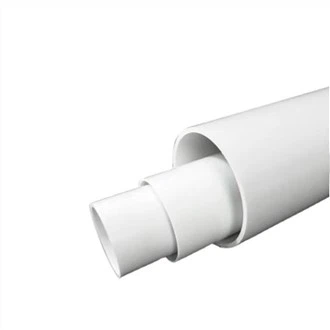
PVC pipes are incredibly versatile materials that can be used in a wide range of DIY projects. As a PVC pipe supplier, I've seen firsthand the amazing things people can create with these simple yet effective tubes. In this blog post, I'll share some tips and ideas on how to use PVC pipes for your next DIY adventure.
Understanding PVC Pipes
Before diving into DIY projects, it's important to understand the basics of PVC pipes. PVC, or polyvinyl chloride, is a type of plastic known for its durability, affordability, and ease of use. PVC pipes come in various sizes, thicknesses, and colors, making them suitable for different applications.
When choosing PVC pipes for your DIY projects, consider the following factors:
- Size: The diameter and length of the pipe will depend on the specific project. For example, smaller pipes are ideal for crafting small structures, while larger pipes are better for building furniture or outdoor structures. You can find a variety of sizes on our website, including Plastic Pvc Pipe 600mm and Plastic 10 Inch Diameter Pvc Pipe.
- Thickness: Thicker pipes are more sturdy and can withstand more weight and pressure. If you're building a structure that will bear a lot of weight, choose a pipe with a thicker wall.
- Color: PVC pipes are available in different colors, which can add a decorative touch to your projects. You can choose a color that matches your existing decor or go for a bold and vibrant look.
Tools and Materials Needed
To work with PVC pipes, you'll need a few basic tools and materials:
- PVC pipes and fittings: You can purchase PVC pipes and fittings at your local hardware store or online. Make sure to choose the right size and type of pipes and fittings for your project.
- PVC cutter: A PVC cutter is a specialized tool that makes it easy to cut PVC pipes cleanly and accurately. You can also use a hacksaw, but a PVC cutter will give you a more professional-looking cut.
- PVC glue: PVC glue is used to join PVC pipes and fittings together. Make sure to choose a high-quality PVC glue that is suitable for your project.
- Measuring tape: A measuring tape is essential for measuring the length and diameter of the pipes and fittings.
- Marker: A marker is used to mark the pipes and fittings where you need to make cuts or connections.
DIY Projects Using PVC Pipes
Now that you have a basic understanding of PVC pipes and the tools and materials needed, let's explore some DIY projects you can create using PVC pipes.
1. Garden Trellis
A garden trellis is a great way to support climbing plants and add a decorative element to your garden. To make a garden trellis using PVC pipes, you'll need the following materials:
- Four PVC pipes (8 feet long)
- Four PVC elbow fittings
- Four PVC tee fittings
- PVC glue
- Measuring tape
- Marker
- PVC cutter
Here's how to make a garden trellis:
- Measure and mark the pipes where you need to make cuts. Cut the pipes into the following lengths:
- Two pipes at 6 feet long
- Two pipes at 2 feet long
- Assemble the frame of the trellis using the elbow and tee fittings and PVC glue. Make sure to let the glue dry completely before using the trellis.
- Attach the trellis to a wall or fence using screws or brackets.
- Plant your climbing plants at the base of the trellis and train them to grow up the trellis.
2. Bike Rack
A bike rack is a practical and convenient way to store your bikes. To make a bike rack using PVC pipes, you'll need the following materials:
- Four PVC pipes (4 feet long)
- Four PVC elbow fittings
- Four PVC tee fittings
- PVC glue
- Measuring tape
- Marker
- PVC cutter
Here's how to make a bike rack:
- Measure and mark the pipes where you need to make cuts. Cut the pipes into the following lengths:
- Two pipes at 3 feet long
- Two pipes at 1 foot long
- Assemble the frame of the bike rack using the elbow and tee fittings and PVC glue. Make sure to let the glue dry completely before using the bike rack.
- Place the bike rack in a convenient location and lean your bikes against the rack.
3. Children's Playhouse
A children's playhouse is a fun and creative project that your kids will love. To make a children's playhouse using PVC pipes, you'll need the following materials:
- Eight PVC pipes (10 feet long)
- Eight PVC elbow fittings
- Eight PVC tee fittings
- PVC glue
- Measuring tape
- Marker
- PVC cutter
- Plastic sheeting or fabric
Here's how to make a children's playhouse:
- Measure and mark the pipes where you need to make cuts. Cut the pipes into the following lengths:
- Four pipes at 6 feet long
- Four pipes at 4 feet long
- Assemble the frame of the playhouse using the elbow and tee fittings and PVC glue. Make sure to let the glue dry completely before using the playhouse.
- Cut the plastic sheeting or fabric to fit the frame of the playhouse. Attach the plastic sheeting or fabric to the frame using zip ties or duct tape.
- Add some decorations and furniture to the playhouse to make it more inviting for your kids.
4. Irrigation System
An irrigation system is a great way to keep your plants watered and healthy. To make an irrigation system using PVC pipes, you'll need the following materials:
- PVC pipes and fittings
- PVC glue
- Measuring tape
- Marker
- PVC cutter
- Drip emitters or sprinkler heads
Here's how to make an irrigation system:
- Plan the layout of your irrigation system. Determine where you want to place the pipes and fittings and how many drip emitters or sprinkler heads you'll need.
- Measure and mark the pipes where you need to make cuts. Cut the pipes to the appropriate lengths using a PVC cutter.
- Assemble the pipes and fittings using PVC glue. Make sure to let the glue dry completely before using the irrigation system.
- Install the drip emitters or sprinkler heads at the appropriate locations along the pipes.
- Connect the irrigation system to a water source, such as a hose or a faucet.
Tips for Working with PVC Pipes
Here are some tips to help you work with PVC pipes more effectively:
- Cut the pipes accurately: Use a PVC cutter or a hacksaw to cut the pipes cleanly and accurately. Make sure to measure and mark the pipes before cutting to ensure a precise fit.
- Clean the pipes and fittings: Before applying PVC glue, make sure to clean the pipes and fittings with a clean cloth to remove any dirt or debris. This will ensure a strong and secure bond.
- Apply the glue evenly: Apply the PVC glue evenly to the pipes and fittings using a brush or a applicator. Make sure to cover the entire surface area to ensure a strong bond.
- Let the glue dry completely: PVC glue takes time to dry and cure. Make sure to let the glue dry completely before using the PVC pipes or fittings.
- Use the right size and type of pipes and fittings: Make sure to choose the right size and type of pipes and fittings for your project. Using the wrong size or type of pipes and fittings can result in a weak or unstable structure.
Conclusion
PVC pipes are a versatile and affordable material that can be used in a wide range of DIY projects. Whether you're a beginner or an experienced DIYer, there are plenty of projects you can create using PVC pipes. By following the tips and ideas in this blog post, you'll be able to create your own DIY projects using PVC pipes and add a personal touch to your home or garden.
If you're interested in purchasing PVC pipes for your DIY projects, please feel free to contact us for more information. We're a leading PVC pipe supplier and offer a wide range of PVC pipes and fittings at competitive prices. We're committed to providing our customers with high-quality products and excellent customer service.


References
- "PVC Pipes: A Comprehensive Guide." Home Improvement Magazine, Vol. 10, No. 2, 2023, pp. 45-52.
- "DIY Projects Using PVC Pipes." DIY Magazine, Vol. 15, No. 3, 2023, pp. 67-74.