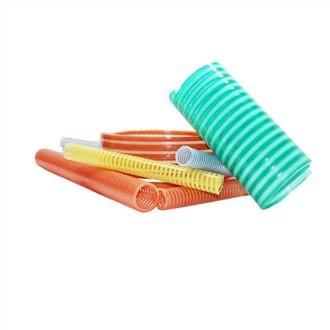
Thawing a frozen PVC garden hose can be a challenging task, especially during the cold winter months. As a supplier of high - quality PVC garden hoses, including products like the PVC 10 Foot Garden Hose, PVC Braided Garden Pipe, and 100 Meter Water Hose, I understand the importance of properly maintaining these hoses. In this blog, I will share some effective methods to thaw a frozen PVC garden hose.
Understanding the Problem
Before we delve into the thawing methods, it's crucial to understand why PVC garden hoses freeze. PVC is a type of plastic that becomes more brittle in cold temperatures. When water inside the hose freezes, it expands, which can cause the hose to crack or burst. This not only renders the hose useless but can also lead to water damage in your garden or yard.


Precautions Before Thawing
- Inspect the Hose: Before attempting to thaw the hose, carefully examine it for any visible cracks or damage. If you find any, it's best to replace the hose to avoid further issues.
- Turn Off the Water Supply: Ensure that the water supply to the hose is turned off. This prevents additional water from entering the frozen section and potentially causing more damage.
Methods to Thaw a Frozen PVC Garden Hose
Method 1: Use Warm Water
One of the simplest and most common methods to thaw a frozen PVC garden hose is by using warm water. Here's how you can do it:
- Prepare a Container: Fill a large bucket or container with warm (not hot) water. Hot water can cause the PVC to warp or melt.
- Submerge the Hose: Gently place the frozen section of the hose into the warm water. Make sure the entire frozen area is covered.
- Wait and Monitor: Allow the hose to soak in the warm water for a few minutes. Check periodically to see if the ice has melted. You may need to change the water to keep it warm.
- Repeat if Necessary: If the ice hasn't completely melted, repeat the process until the hose is thawed.
This method is effective for small to medium - sized frozen sections. However, if the hose is very long or the frozen area is extensive, you may need to use a different approach.
Method 2: Wrap with a Heating Pad
A heating pad can also be used to thaw a frozen PVC garden hose. Here's what you need to do:
- Choose a Suitable Heating Pad: Select a heating pad with adjustable temperature settings. Set it to a low or medium heat setting to avoid overheating the PVC.
- Wrap the Hose: Carefully wrap the heating pad around the frozen section of the hose. Make sure the pad is in direct contact with the hose.
- Secure the Pad: Use tape or a strap to keep the heating pad in place.
- Monitor the Thawing Process: Leave the heating pad on for a while and check periodically to see if the ice has melted. This method may take longer than using warm water, but it can be more convenient for hoses that are difficult to submerge.
Method 3: Use a Hairdryer
A hairdryer is another handy tool for thawing a frozen PVC garden hose. Follow these steps:
- Set the Hairdryer to a Low Heat Setting: High heat can damage the PVC, so it's important to use a low - heat setting.
- Direct the Airflow: Hold the hairdryer about 6 - 8 inches away from the frozen section of the hose. Move the hairdryer back and forth along the length of the frozen area.
- Be Patient: Thawing with a hairdryer can take some time, especially for larger frozen sections. Keep the airflow focused on the ice until it melts.
Preventing Future Freezing
Once you've successfully thawed your PVC garden hose, it's important to take steps to prevent it from freezing again in the future.
- Drain the Hose: After each use, make sure to drain all the water from the hose. You can do this by holding one end of the hose up high and allowing the water to flow out of the other end.
- Store the Hose Properly: During the winter months, store the hose in a warm, dry place. You can coil it up and hang it in a garage or shed.
- Use Insulation: Consider using hose insulation to protect the hose from cold temperatures. There are various types of insulation available in the market, such as foam sleeves or wraps.
Maintaining Your PVC Garden Hose
Proper maintenance is key to ensuring the longevity of your PVC garden hose. Here are some tips:
- Clean the Hose Regularly: After each use, rinse the hose with clean water to remove any dirt, debris, or chemicals.
- Avoid Kinks and Twists: When using the hose, be careful not to kink or twist it. Kinks can restrict water flow and cause damage to the hose over time.
- Check the Fittings: Periodically inspect the fittings at the ends of the hose. Make sure they are tight and in good condition. Replace any worn - out fittings to prevent leaks.
Conclusion
Thawing a frozen PVC garden hose requires patience and the right approach. By following the methods and precautions outlined in this blog, you can safely and effectively thaw your hose and prevent future freezing. At our company, we are committed to providing high - quality PVC garden hoses that are durable and reliable. If you are in the market for a new PVC garden hose or have any questions about our products, we encourage you to reach out to us for a procurement discussion. We look forward to serving you and helping you maintain a beautiful garden.
References
- "PVC Pipe Handbook" by the Plastic Pipe Institute.
- Various industry - specific articles on garden hose maintenance and repair.