A garden hose is an indispensable tool for anyone who loves gardening, watering lawns, or cleaning outdoor areas. However, over time, garden hoses can become bent, kinked, or coiled. These bends not only make the hose difficult to use but can also restrict water flow, reducing the efficiency of your gardening tasks. As a reputable garden hose supplier, we understand the importance of maintaining your hose in top condition. In this blog post, we'll share some practical tips on how to straighten a bent garden hose.
Understanding Why Garden Hoses Bend
Before we delve into the solutions, it's essential to understand why garden hoses bend in the first place. There are several reasons for this common problem:
- Improper Storage: Storing the hose in a haphazard manner, such as tossing it in a pile or coiling it too tightly, can cause it to develop permanent bends.
- Age and Wear: Over time, the material of the hose can degrade, making it more prone to bending and kinking.
- External Pressure: Heavy objects placed on the hose or being stepped on can cause it to bend.
- Temperature Changes: Extreme cold or heat can affect the flexibility of the hose, leading to bends.
Methods to Straighten a Bent Garden Hose
Now that we know the causes, let's explore some effective methods to straighten your garden hose.
Method 1: Warm Water Soak
This method is ideal for hoses made of materials that become more flexible when heated.
- Prepare the Water: Fill a large container or a bathtub with warm water. The water should be warm but not boiling, as extremely high temperatures can damage the hose.
- Submerge the Hose: Carefully place the bent section of the hose into the warm water. Make sure it is fully immersed. Leave it there for about 15 - 20 minutes. The warmth will make the hose more pliable.
- Straighten the Hose: After the soaking time, remove the hose from the water. While it's still warm, gently straighten out the bent areas. You can do this by hand, slowly pulling and smoothing the hose until it regains its straight shape.
- Cool the Hose: Once you've straightened the hose, let it cool down in a straight position. You can hang it on a hose reel or a flat surface to ensure it maintains its new shape.
Method 2: Using a Hose Straightener Tool
If your hose has severe bends or kinks, a hose straightener tool can be a great investment. These tools are specifically designed to remove bends and kinks from garden hoses.
- Choose the Right Tool: There are various types of hose straightener tools available on the market. Look for one that is suitable for the size and type of your garden hose.
- Insert the Hose: Carefully insert the bent section of the hose into the straightener tool. Follow the manufacturer's instructions for proper usage.
- Apply Pressure: Use the tool to apply gentle pressure to the bent area. Slowly move the tool along the length of the bent section, straightening it as you go.
- Inspect the Hose: After using the tool, check the hose to ensure that the bends have been removed. If necessary, repeat the process for stubborn bends.
Method 3: Hanging the Hose
For minor bends, hanging the hose can often do the trick.
- Find a Suitable Hanger: Use a hose reel, a wall-mounted hook, or a sturdy rod to hang the hose. Make sure the hanger can support the weight of the hose.
- Hang the Hose: Carefully drape the hose over the hanger, ensuring that it hangs in a straight line. Avoid any twists or loops.
- Leave it for a While: Leave the hose hanging for a few hours or overnight. The weight of the hose and gravity will gradually help to straighten it out.
Preventing Future Bends
In addition to straightening your bent garden hose, it's important to take steps to prevent future bends. Here are some tips to keep your hose in good shape:
- Proper Storage: Always store your hose in a straight and organized manner. Use a hose reel or a dedicated hose storage container to keep it coiled neatly.
- Avoid Over - Stretching: When using the hose, avoid over - stretching it. This can cause stress on the hose and lead to bends and kinks.
- Protect from External Pressure: Keep heavy objects away from the hose, and be careful not to step on it.
- Use a Hose Protector: Consider using a hose protector, such as a hose guard or a hose cover, to protect the hose from damage and bends.
Our Garden Hose Products
As a garden hose supplier, we offer a wide range of high - quality garden hoses to meet your needs. Our 100ft Garden Hose Expandable Hose is a popular choice among customers. It is made of durable materials and can expand up to three times its original length when filled with water, making it easy to reach all areas of your garden.
Our Expandable Garden Hose is another excellent option. It is lightweight, easy to store, and resistant to kinking. Whether you have a small backyard garden or a large lawn, this hose can handle all your watering needs.
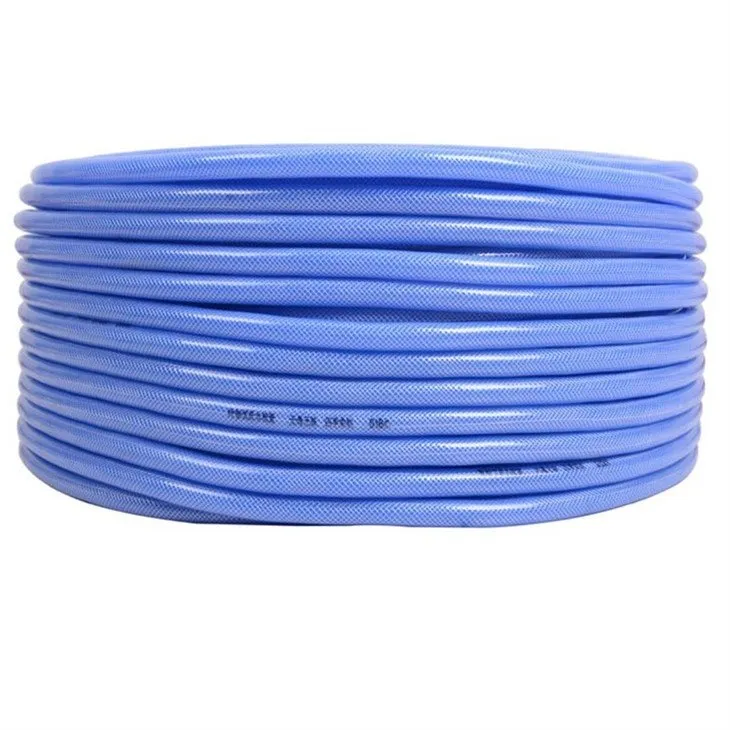

For those who live in colder climates, our PVC Heated Garden Hose is a great solution. It is designed to prevent freezing and ensure a continuous water flow even in cold temperatures.
Contact Us for Purchasing
If you're interested in purchasing high - quality garden hoses or have any questions about our products, we'd love to hear from you. Our team of experts is ready to assist you in finding the perfect garden hose for your needs. Contact us today to start a procurement negotiation, and let us help you make your gardening tasks more efficient and enjoyable.
References
- "Gardening 101: Maintaining Your Garden Tools" by Gardening Today Magazine
- "The Complete Guide to Garden Hoses" by Home Improvement Press