

Hey there! I'm a supplier of rubber fuel lines, and I know firsthand how crucial these components are for the proper functioning of all sorts of vehicles and equipment. But let's face it, rubber fuel lines can take a beating over time. They're exposed to all kinds of chemicals, heat, and mechanical stress, which can lead to cracks, leaks, or other issues. That's why it's important to know how to repair them. In this blog post, I'll walk you through the steps of fixing a rubber fuel line.
Step 1: Safety First
Before you even think about starting the repair, safety should be your top priority. Rubber fuel lines carry flammable substances like gasoline or diesel, so any mistake could lead to a fire or explosion. First, make sure the engine is off and has cooled down completely. Then, disconnect the battery to prevent any electrical sparks. You'll also want to work in a well - ventilated area to avoid inhaling fuel vapors. Wear safety goggles and gloves to protect your eyes and hands from fuel and any sharp edges.
Step 2: Identify the Problem
Once you're safe, it's time to find out what's wrong with the fuel line. Inspect the entire length of the line carefully. Look for visible cracks, holes, or soft spots. Cracks are often the result of age, exposure to heat, or chemicals. Holes can be caused by physical damage, like being punctured by a sharp object. Soft spots might indicate that the rubber has been degraded by fuel additives or other substances.
If you're having trouble finding the leak, you can use a simple method. Pressurize the fuel system slightly (but don't overdo it!) and listen for a hissing sound or look for fuel droplets. Just be extra careful when pressurizing the system.
Step 3: Gather Your Tools
You'll need a few tools to get the job done. Here's a list of what you'll typically need:
- A sharp utility knife or a pair of hose - cutting pliers to cut the damaged part of the hose.
- Hose clamps in the appropriate size for your fuel line. You can find these at any auto parts store.
- A replacement piece of rubber fuel line. If you're not sure what size you need, measure the diameter of the existing line. You can check out our [Rubber Oil Fuel Hose Gasoline Petrol Fuel]( /industrial - hose/rubber - fuel - line/rubber - oil - fuel - hose - gasoline - petrol - fuel.html) options for a wide range of sizes and types.
- A wire brush to clean the ends of the fuel line and any fittings.
- A tube of fuel - resistant sealant, which can help prevent future leaks.
Step 4: Remove the Damaged Section
Once you've located the damaged part of the fuel line, it's time to cut it out. Use your utility knife or hose - cutting pliers to make a clean cut on either side of the damage. Make sure to cut straight across to ensure a proper fit when you install the new section.
Before you remove the damaged piece completely, note how the fuel line is routed and connected to any fittings or components. This will make it easier to install the new section correctly.
Step 5: Prepare the New Hose
Take your replacement rubber fuel line and cut it to the appropriate length. It should be long enough to span the gap left by the removed section, with a little extra on each end for the hose clamps. Use the wire brush to clean the inside of the hose ends and the outside of any fittings that the hose will connect to. This will help the sealant adhere better and prevent leaks.
Step 6: Apply Sealant
Apply a thin layer of fuel - resistant sealant to the ends of the new hose and the fittings. Make sure to cover the entire surface area that will be in contact. The sealant will help create a tight, leak - proof seal.
Step 7: Install the New Hose
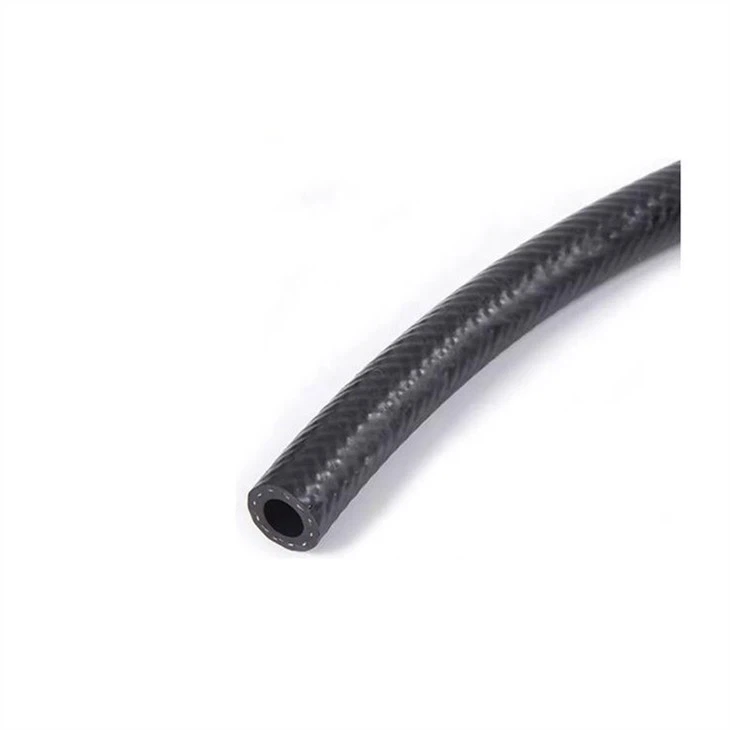
Slide one end of the new hose onto the fitting and secure it with a hose clamp. Tighten the clamp firmly, but don't over - tighten it, as this could damage the hose. Repeat the process for the other end of the hose. Make sure the hose is routed correctly, following the same path as the original line.
Step 8: Check for Leaks
Once the new hose is installed, it's time to check for leaks. Reconnect the battery and turn on the ignition (but don't start the engine). Let the fuel system pressurize for a few seconds and then look for any signs of fuel leakage around the connections. If you see a leak, tighten the hose clamps a little more or add some more sealant.
Step 9: Final Checks
After you're satisfied that there are no leaks, start the engine and let it run for a few minutes. Monitor the fuel line closely for any signs of new leaks or other issues. Check the engine performance to make sure it's running smoothly.
Different Types of Rubber Fuel Lines
There are various types of rubber fuel lines available, each designed for specific applications. For example, the [Sae 30r9 Fuel Hose]( /industrial - hose/rubber - fuel - line/sae - 30r9 - fuel - hose.html) is a high - quality option that meets specific industry standards. It's often used in more demanding applications where durability and resistance to fuel additives are important.
Another common size is the [7.9 mm Fuel Hose]( /industrial - hose/rubber - fuel - line/7 - 9 - mm - fuel - hose.html). This size is used in a wide range of vehicles and equipment, so it's a popular choice for many repair jobs.

When to Replace Instead of Repair
While it's often possible to repair a rubber fuel line, there are times when it's better to replace the entire line. If the line is severely degraded, has multiple cracks, or is very old, it might be more cost - effective and safer to install a new one. Also, if the damage is close to a fitting or in a hard - to - reach area, replacement could be the better option.
Conclusion
Repairing a rubber fuel line isn't rocket science, but it does require some attention to detail and safety precautions. By following these steps, you can save money and keep your vehicle or equipment running smoothly. If you're ever in doubt or need help finding the right rubber fuel line for your repair, don't hesitate to reach out. We're here to assist you with all your rubber fuel line needs. Whether you're a DIY enthusiast or a professional mechanic, we've got the products and expertise to support you. If you're interested in purchasing high - quality rubber fuel lines, feel free to get in touch with us for a detailed discussion and a personalized quote.
References
- Automotive Repair Manuals
- Rubber Fuel Line Manufacturer's Guidelines


