Repairing a damaged brass fitting is a crucial skill for many DIY enthusiasts and professionals in the plumbing and hardware industries. As a seasoned supplier of high-quality brass fittings, I've encountered various issues with these components and have learned the most effective ways to fix them. In this blog, I'll share my comprehensive guide on how to repair a damaged brass fitting, along with some insights into different types of brass fittings we offer at our company.
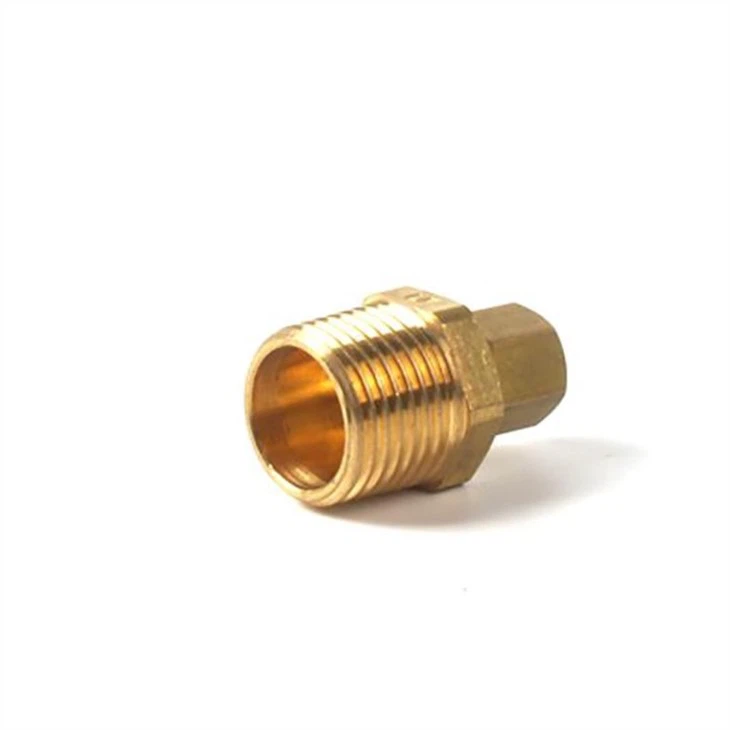

Identifying the Problem
The first step in repairing a damaged brass fitting is to accurately identify the problem. Brass fittings can suffer from a range of issues, including leaks, cracks, corrosion, and stripped threads. A leak may be caused by a loose connection, a worn-out gasket, or a crack in the fitting itself. Cracks can occur due to excessive pressure, improper installation, or physical damage. Corrosion is often the result of exposure to moisture, chemicals, or aggressive environments. Stripped threads can make it difficult to secure the fitting properly, leading to leaks or instability.
To identify the problem, carefully inspect the fitting for visible signs of damage. Look for wet spots, which may indicate a leak. Check for cracks, especially around joints or areas of stress. Examine the threads for signs of wear or damage. If the fitting is part of a plumbing system, turn on the water and observe the flow to see if there are any leaks or irregularities.
Gathering the Necessary Tools and Materials
Once you've identified the problem, it's time to gather the necessary tools and materials for the repair. The specific tools and materials you'll need will depend on the nature of the damage and the type of fitting you're working with. However, some common tools and materials include:
- Adjustable wrench: This is essential for loosening and tightening nuts and bolts.
- Pipe cutter: If you need to cut a section of pipe, a pipe cutter will make the job quick and easy.
- File: A file can be used to smooth rough edges or remove burrs from the fitting.
- Sandpaper: Sandpaper can be used to clean the surface of the fitting and remove corrosion.
- Epoxy or solder: Depending on the type of repair, you may need epoxy or solder to seal the fitting.
- Gaskets or O-rings: These are used to create a watertight seal between the fitting and the pipe.
- Thread sealant: Thread sealant can be used to prevent leaks at threaded connections.
Repairing a Leaky Brass Fitting
One of the most common issues with brass fittings is a leak. A leak can be caused by a loose connection, a worn-out gasket, or a crack in the fitting. Here's how you can repair a leaky brass fitting:
- Turn off the water supply: Before you start working on the fitting, turn off the water supply to prevent further leakage.
- Locate the leak: Carefully inspect the fitting to locate the source of the leak. Look for wet spots or water droplets.
- Tighten the connection: If the leak is caused by a loose connection, use an adjustable wrench to tighten the nut or bolt. Be careful not to overtighten, as this can damage the fitting.
- Replace the gasket or O-ring: If the leak is caused by a worn-out gasket or O-ring, remove the old one and replace it with a new one. Make sure the new gasket or O-ring is the correct size and shape for the fitting.
- Seal the crack with epoxy or solder: If the leak is caused by a crack in the fitting, you can use epoxy or solder to seal the crack. Apply the epoxy or solder according to the manufacturer's instructions.
- Test the repair: Once you've completed the repair, turn on the water supply and check for leaks. If there are still leaks, repeat the repair process.
Repairing a Cracked Brass Fitting
A cracked brass fitting can be a serious problem, as it can lead to leaks and further damage. Here's how you can repair a cracked brass fitting:
- Turn off the water supply: As with a leaky fitting, turn off the water supply before you start working on the cracked fitting.
- Clean the crack: Use a file or sandpaper to clean the surface of the crack and remove any debris or corrosion.
- Apply epoxy or solder: Depending on the size and location of the crack, you can use epoxy or solder to seal the crack. Apply the epoxy or solder according to the manufacturer's instructions.
- Let the epoxy or solder dry: Allow the epoxy or solder to dry completely before using the fitting. This may take several hours or overnight, depending on the type of epoxy or solder you're using.
- Test the repair: Once the epoxy or solder has dried, turn on the water supply and check for leaks. If there are still leaks, repeat the repair process or consider replacing the fitting.
Repairing a Corroded Brass Fitting
Corrosion can weaken brass fittings and cause them to leak or fail. Here's how you can repair a corroded brass fitting:
- Turn off the water supply: As with other repairs, turn off the water supply before you start working on the corroded fitting.
- Remove the fitting: If the fitting is corroded beyond repair, you may need to remove it and replace it with a new one. Use an adjustable wrench to loosen the nut or bolt and remove the fitting from the pipe.
- Clean the corrosion: Use a file or sandpaper to clean the surface of the fitting and remove the corrosion. You can also use a chemical cleaner specifically designed for removing corrosion from brass.
- Apply a protective coating: Once the corrosion has been removed, apply a protective coating to the fitting to prevent future corrosion. You can use a clear lacquer or a corrosion-resistant paint.
- Reinstall the fitting: If the fitting is still in good condition after cleaning, you can reinstall it. Make sure to use a new gasket or O-ring and apply thread sealant to the threads.
- Test the repair: Once the fitting has been reinstalled, turn on the water supply and check for leaks. If there are still leaks, repeat the repair process.
Types of Brass Fittings We Offer
As a supplier of brass fittings, we offer a wide range of products to meet the needs of our customers. Some of the types of brass fittings we offer include:
- Brass 3 Way Hose Connector: This type of fitting is used to connect three hoses or pipes together. It is commonly used in irrigation systems, plumbing, and other applications where multiple connections are required.
- Ferrule Fittings Connector: Ferrule fittings are used to connect pipes or tubes together. They are known for their high strength and reliability, making them ideal for use in high-pressure applications.
- Brass Insert For Ppr Fitting: Brass inserts are used to connect PPR pipes to other types of fittings or components. They provide a secure and leak-free connection, making them a popular choice in plumbing systems.
Conclusion
Repairing a damaged brass fitting is a skill that can save you time and money in the long run. By following the steps outlined in this blog, you can easily identify and repair common issues with brass fittings, such as leaks, cracks, and corrosion. Remember to always turn off the water supply before working on a fitting, use the right tools and materials, and test the repair to ensure it is successful.
If you're in the market for high-quality brass fittings, we invite you to explore our product range. Our brass fittings are made from the highest quality materials and are designed to meet the most demanding applications. Whether you're a DIY enthusiast or a professional contractor, we have the fittings you need to get the job done right.
Contact us today to discuss your specific requirements and to learn more about our products and services. We look forward to working with you!
References
- "Brass Fittings: A Comprehensive Guide." Plumbing Supply Magazine.
- "Repairing Damaged Brass Fittings." Home Improvement Today.
- "Types of Brass Fittings and Their Applications." Hardware Handbook.