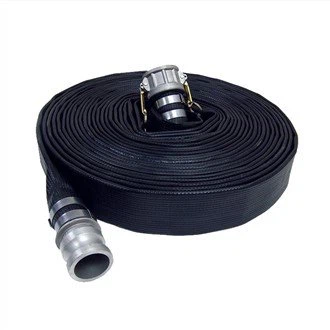
Vacuum collapse in industrial hoses is a critical issue that can lead to significant operational disruptions, safety hazards, and financial losses in various industries. As an experienced industrial hose supplier, I understand the importance of preventing vacuum collapse to ensure the smooth and efficient operation of industrial processes. In this blog post, I will share some effective strategies and best practices for preventing vacuum collapse in industrial hoses.
Understanding Vacuum Collapse
Before delving into prevention methods, it's essential to understand what vacuum collapse is and what causes it. Vacuum collapse occurs when the pressure inside the hose drops below the external atmospheric pressure, causing the hose to collapse inward. This can happen due to various reasons, including sudden changes in flow rates, blockages in the system, or improper hose selection.
In industrial applications, vacuum collapse can have severe consequences. It can disrupt the flow of fluids or gases, leading to production delays or shutdowns. Additionally, a collapsed hose can pose a safety risk to workers, as it may cause leaks or spills of hazardous materials.
Factors Contributing to Vacuum Collapse
Several factors can contribute to vacuum collapse in industrial hoses. Understanding these factors is crucial for implementing effective prevention measures.
- Hose Design and Construction: The design and construction of the hose play a significant role in its resistance to vacuum collapse. Hoses with a reinforced structure, such as those with spiral or braided reinforcements, are generally more resistant to collapse than non - reinforced hoses. The material of the hose also matters; for example, hoses made from high - strength polymers or rubber compounds are better able to withstand vacuum conditions.
- System Pressure and Flow Conditions: Sudden changes in pressure or flow rates within the system can create a vacuum inside the hose. For instance, if a valve is closed rapidly, it can cause a pressure drop in the hose, potentially leading to collapse. Similarly, blockages in the system can restrict the flow and create a vacuum upstream of the blockage.
- Environmental Conditions: Extreme temperatures can affect the flexibility and strength of the hose material. In cold temperatures, the hose may become more brittle, making it more susceptible to collapse under vacuum conditions. High temperatures, on the other hand, can cause the hose material to soften, reducing its structural integrity.
Preventive Measures
Proper Hose Selection
One of the most effective ways to prevent vacuum collapse is to select the right hose for the application. When choosing an industrial hose, consider the following factors:
- Vacuum Rating: Ensure that the hose has a sufficient vacuum rating for the intended application. The vacuum rating indicates the maximum vacuum pressure that the hose can withstand without collapsing. Check the manufacturer's specifications to select a hose with an appropriate vacuum rating.
- Reinforcement Type: As mentioned earlier, reinforced hoses are more resistant to vacuum collapse. Choose a hose with a suitable reinforcement type, such as spiral wire or braided synthetic fibers, depending on the application requirements.
- Material Compatibility: Select a hose material that is compatible with the fluid or gas being transported. Incompatible materials can lead to chemical reactions, which may weaken the hose and increase the risk of collapse.
For example, if you are dealing with refrigeration applications, the R410a Refrigerant Hose is a great choice. It is designed to handle the specific requirements of R410a refrigerant, with proper reinforcement and material compatibility to prevent vacuum collapse.
System Design and Installation
Proper system design and installation are also crucial for preventing vacuum collapse. Here are some key points to consider:
- Avoid Sharp Bends and Restrictions: Sharp bends and restrictions in the hose can create areas of high pressure and turbulence, increasing the risk of vacuum collapse. Design the system to minimize sharp bends and use smooth - radius elbows instead.
- Install Vacuum Relief Valves: Vacuum relief valves can be installed in the system to prevent the pressure inside the hose from dropping too low. These valves open automatically when the vacuum pressure reaches a certain level, allowing air or gas to enter the hose and equalize the pressure.
- Proper Support and Anchoring: Ensure that the hose is properly supported and anchored to prevent excessive movement or vibration. Unstable hoses can be more prone to collapse, especially under vacuum conditions.
Maintenance and Inspection
Regular maintenance and inspection of industrial hoses are essential for preventing vacuum collapse. Here are some maintenance tips:


- Visual Inspection: Conduct regular visual inspections of the hoses to check for signs of wear, damage, or degradation. Look for cracks, bulges, or other visible defects that may indicate a weakened hose structure.
- Pressure Testing: Periodically perform pressure tests on the hoses to ensure that they are still capable of withstanding the required pressure. This can help detect any potential issues before they lead to vacuum collapse.
- Cleaning and Flushing: Keep the hoses clean by regularly flushing them to remove any debris or contaminants that may cause blockages. Blockages can create a vacuum inside the hose, increasing the risk of collapse.
For LPG applications, the Lpg Gas Hose Pipe should be inspected regularly for any signs of wear or damage. Proper maintenance can significantly extend the lifespan of the hose and prevent vacuum collapse.
Training and Education
Providing proper training and education to employees is also important for preventing vacuum collapse. Workers should be aware of the potential risks associated with vacuum collapse and how to operate the equipment safely. Training should include topics such as proper hose handling, system operation, and emergency procedures in case of a hose failure.
Case Studies
Let's look at a couple of real - world examples to illustrate the importance of preventing vacuum collapse.
- Manufacturing Facility: In a manufacturing facility, a non - reinforced nylon hose was used to transfer a liquid chemical. Due to a sudden change in flow rate, the pressure inside the hose dropped, causing it to collapse. This led to a significant production delay as the system had to be shut down for hose replacement. After the incident, the facility switched to a reinforced rubber hose with a higher vacuum rating, which effectively eliminated the risk of vacuum collapse.
- Medical Facility: A medical facility was using a standard medical oxygen hose without proper reinforcement. During a high - demand situation, the pressure drop in the hose caused it to collapse, interrupting the oxygen supply to patients. To prevent similar incidents in the future, the facility replaced the hoses with Retractable Medical Oxygen Hose Reel, which are designed to withstand vacuum conditions and ensure a continuous oxygen supply.
Conclusion
Preventing vacuum collapse in industrial hoses is essential for maintaining the safety and efficiency of industrial processes. By understanding the causes of vacuum collapse, selecting the right hose, designing the system properly, conducting regular maintenance and inspections, and providing adequate training to employees, you can significantly reduce the risk of hose collapse.
As an industrial hose supplier, we are committed to providing high - quality hoses and technical support to our customers. If you have any questions or need assistance in selecting the right hose for your application, please don't hesitate to contact us for procurement and further discussions.
References
- "Industrial Hose Handbook" by Hose Manufacturers Institute
- "Fluid Mechanics for Engineers" by Frank M. White
- Industry - specific standards and guidelines related to industrial hoses