Hey there! I'm a supplier of PVC pipes, and I know firsthand how frustrating it can be when those pipes freeze. Frozen PVC pipes can lead to all sorts of problems, from cracked pipes to water damage in your home or business. But don't worry, I'm here to share some tips on how to prevent freezing in PVC pipes.
Understanding Why PVC Pipes Freeze
Before we dive into the prevention methods, let's quickly understand why PVC pipes freeze. PVC pipes are made of plastic, which is a poor conductor of heat. When the temperature outside drops, the water inside the pipes can start to cool down and eventually freeze. As water freezes, it expands, putting pressure on the walls of the pipes. This pressure can cause the pipes to crack or burst, leading to leaks and water damage.
Insulate Your Pipes
One of the most effective ways to prevent freezing in PVC pipes is to insulate them. Insulation helps to keep the heat in and the cold out, reducing the risk of the water inside the pipes freezing. You can use a variety of insulation materials, such as foam pipe insulation or fiberglass insulation.
Foam pipe insulation is a popular choice because it's easy to install and relatively inexpensive. You can find it at most hardware stores. Simply measure the diameter of your pipes and cut the insulation to the appropriate length. Then, slide the insulation over the pipes and secure it with tape or zip ties.
Fiberglass insulation is another option, but it's a bit more difficult to install. You'll need to wear protective gear, such as gloves and a mask, to avoid getting the fiberglass in your skin or lungs. Fiberglass insulation is also more expensive than foam pipe insulation, but it provides better insulation.
Keep the Heat On
Another way to prevent freezing in PVC pipes is to keep the heat on in your home or business. Even if you're going away for a few days, it's a good idea to set your thermostat to a low temperature, such as 55°F (13°C). This will help to keep the pipes warm and prevent the water inside them from freezing.
If you have a basement or crawl space, make sure the heat is reaching those areas as well. You can use a space heater or a heat lamp to keep the temperature in these areas above freezing.
Let the Faucets Drip
Allowing your faucets to drip is a simple but effective way to prevent freezing in PVC pipes. When water is flowing, it's less likely to freeze. You only need to let the water drip slowly, so you won't waste a lot of water.
You can let the faucets in your kitchen, bathroom, and laundry room drip. Make sure to turn off the faucets when the temperature outside rises above freezing.
Seal Any Cracks or Holes
Cracks or holes in your pipes can allow cold air to enter and cause the water inside the pipes to freeze. Inspect your pipes regularly for any signs of damage and seal any cracks or holes with pipe sealant or epoxy.
You can also use caulk to seal any gaps around your pipes where cold air might be entering. This will help to keep the heat in and the cold out.
Use Heat Tape
Heat tape is a special type of tape that generates heat when it's plugged in. You can wrap the heat tape around your pipes to keep them warm and prevent the water inside them from freezing.
Heat tape is available at most hardware stores. Make sure to follow the manufacturer's instructions when installing the heat tape. You'll need to plug the heat tape into an electrical outlet and set the thermostat to the appropriate temperature.
Protect Exposed Pipes
If you have PVC pipes that are exposed to the elements, such as pipes on the outside of your home or in an unheated garage, you'll need to take extra precautions to protect them from freezing.
You can use a combination of insulation, heat tape, and a protective cover to keep the pipes warm. You can find protective covers at most hardware stores. Make sure to choose a cover that's designed for the type of pipes you have and the climate you live in.
Consider Using a Pipe Thawing Kit
If your pipes do freeze, you can use a pipe thawing kit to thaw them out. A pipe thawing kit typically includes a heating element and a thermostat. You'll need to wrap the heating element around the frozen pipe and plug it into an electrical outlet. The thermostat will regulate the temperature and prevent the pipe from overheating.
Make sure to follow the manufacturer's instructions when using a pipe thawing kit. You'll also need to be careful not to damage the pipes when thawing them out.
Conclusion
Preventing freezing in PVC pipes is important to avoid costly repairs and water damage. By following these tips, you can keep your pipes warm and prevent the water inside them from freezing.


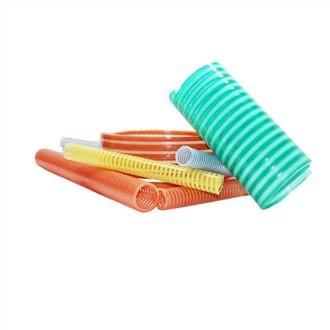
If you're in the market for PVC pipes, I'd love to help. I offer a wide range of Pvc 1 Inch Water Pipe, Plastic Upvc Pipes, and PVC Water Pipe Hose. Whether you're working on a small DIY project or a large commercial installation, I have the pipes you need at competitive prices.
If you have any questions or would like to discuss your PVC pipe needs, feel free to reach out. I'm here to assist you with all your PVC pipe requirements and help you find the best solutions for your projects.
References
- "Preventing Frozen Pipes." U.S. Department of Energy.
- "How to Prevent Frozen Pipes." Family Handyman.
- "Frozen Pipes: Causes, Prevention, and Thawing." The Spruce.