Hey there! I'm a supplier of HDPE pipes, and I've seen firsthand how important it is to maintain these pipes properly. HDPE, or High-Density Polyethylene, pipes are super popular because they're durable, flexible, and resistant to corrosion. But like any other product, they need some TLC to keep them in top shape. In this blog, I'll share some tips on how to maintain HDPE pipes so they can serve you well for years to come.
1. Installation Matters
First things first, proper installation is the foundation of good pipe maintenance. When you're installing HDPE pipes, make sure to follow the manufacturer's guidelines. This includes using the right tools and techniques. For example, when joining HDPE pipes, you can use butt fusion or electrofusion methods. These methods create a strong, leak-proof joint that can withstand the test of time.
Also, pay attention to the environment where the pipes will be installed. Avoid areas with sharp objects or rough surfaces that could damage the pipes. If you're burying the pipes, make sure the trench is properly prepared. The bottom of the trench should be smooth and free of rocks or debris. This will prevent the pipes from getting scratched or punctured.
2. Regular Inspections
Once the HDPE pipes are installed, regular inspections are a must. You should check the pipes at least once a year, or more frequently if they're in a high-traffic area or exposed to harsh conditions. Look for any signs of damage, such as cracks, leaks, or bulges. If you notice any issues, it's important to address them right away.
During the inspection, also check the pipe supports. Make sure they're still in good condition and holding the pipes securely. Loose or damaged supports can cause the pipes to sag or move, which can lead to stress and damage over time.
3. Cleaning the Pipes
Keeping the HDPE pipes clean is another important aspect of maintenance. Over time, dirt, debris, and other contaminants can build up inside the pipes, which can reduce their flow capacity and even cause blockages. To clean the pipes, you can use a mild detergent and water. Avoid using harsh chemicals or abrasive cleaners, as these can damage the pipe's surface.
If you're dealing with stubborn dirt or deposits, you can use a soft brush or a pipe cleaning tool. Just be gentle to avoid scratching the pipes. After cleaning, make sure to rinse the pipes thoroughly with clean water.
4. Protecting from UV Rays
HDPE pipes are generally resistant to UV rays, but prolonged exposure can still cause some degradation. If the pipes are installed outdoors, it's a good idea to protect them from direct sunlight. You can use a UV-resistant coating or wrap the pipes with a protective material. This will help extend the lifespan of the pipes and keep them looking good.
5. Dealing with Temperature Changes
HDPE pipes can expand and contract with temperature changes. This is normal, but it's important to account for this when installing the pipes. Make sure there's enough room for the pipes to move without being restricted. You can use expansion joints or flexible connectors to allow for this movement.

In cold weather, be extra careful. HDPE pipes can become more brittle in low temperatures, so avoid any sudden impacts or stress on the pipes. If you're in an area with freezing temperatures, you may need to take additional precautions, such as insulating the pipes.
6. Handling Chemicals
HDPE pipes are resistant to many chemicals, but it's still important to be cautious. Avoid exposing the pipes to chemicals that are known to be harmful to HDPE. If you need to use chemicals near the pipes, make sure to follow the proper safety procedures.
If you're transporting chemicals through the pipes, make sure they're compatible with HDPE. Check the chemical compatibility chart provided by the manufacturer. This will help prevent any chemical reactions that could damage the pipes.
7. Repairing Damaged Pipes
Even with proper maintenance, HDPE pipes can still get damaged. If you notice a small crack or leak, you can often repair it yourself. There are repair kits available that can be used to patch up the damaged area. Make sure to follow the instructions carefully when using these kits.
For more serious damage, it's best to call in a professional. They have the expertise and tools to make the necessary repairs safely and effectively.
Our HDPE Pipe Products
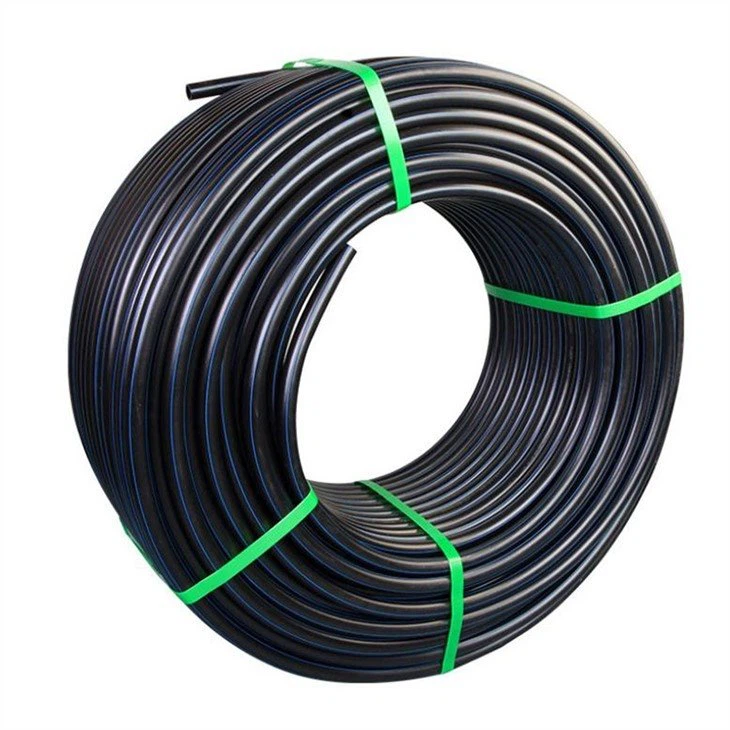
As a supplier, I offer a wide range of HDPE pipes to meet your needs. Whether you're looking for Plastic Hdpe Roll Pipe, Sdr 17 Hdpe Pipes, or Diameter 1000mm Hdpe Pipe, I've got you covered. All our pipes are made from high-quality HDPE and are designed to last.
Conclusion
Maintaining HDPE pipes doesn't have to be a hassle. By following these simple tips, you can ensure that your pipes stay in good condition for a long time. Remember, proper installation, regular inspections, cleaning, and protection from the elements are key. If you have any questions or need more information about HDPE pipes or maintenance, feel free to reach out. I'm always here to help. And if you're in the market for HDPE pipes, don't hesitate to contact me for a quote. Let's work together to find the best solution for your project.
References
- "HDPE Pipe Installation and Maintenance Guide" - Industry Standard Publication
- "Properties and Applications of HDPE Pipes" - Technical Journal Article