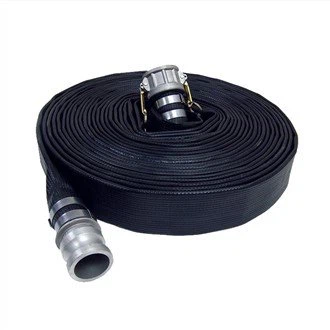
Hey there, fellow garden enthusiasts! As a supplier of PVC garden hoses, I've seen firsthand how tough it can be to keep your hoses in top - notch condition, especially in a salt - water environment. Salt water can be a real nemesis for PVC garden hoses, but don't worry! I'm here to share some tips on how to maintain your PVC garden hose in such a challenging setting.
First off, let's understand why salt water is a problem for PVC hoses. Salt water contains various minerals and salts that can corrode the PVC material over time. The salt can also cause the hose to become brittle, leading to cracks and leaks. And nobody wants a leaky hose ruining their gardening day!
Regular Cleaning
One of the most important steps in maintaining your PVC garden hose in a salt - water environment is regular cleaning. After each use with salt water, it's crucial to rinse the hose thoroughly with fresh water. You can do this by simply connecting the hose to a fresh - water source and letting the water run through it for a few minutes. This helps to remove any salt and minerals that may have accumulated inside the hose.
If you notice that there's still some stubborn salt residue on the outside of the hose, you can use a mild soap and a soft cloth to gently clean it. Avoid using abrasive materials or harsh chemicals, as these can damage the PVC. Just a little bit of dish soap and warm water will do the trick. Make sure to rinse the hose well after cleaning to remove all the soap.
Proper Storage
Proper storage is another key factor in maintaining your PVC garden hose. When you're not using the hose, it's best to store it in a cool, dry place away from direct sunlight. Sunlight can cause the PVC to break down over time, and in a salt - water environment, this process can be accelerated.
You can coil the hose neatly and hang it on a hose hanger or store it in a hose reel. Just make sure that the hose is completely dry before storing it. If there's any moisture left inside the hose, it can promote the growth of mold and mildew, which can also damage the PVC.
Inspect Regularly
Regular inspections are essential for catching any potential problems early. Take a few minutes every once in a while to check your hose for signs of wear and tear. Look for cracks, holes, or any areas where the hose seems to be getting thin. Pay special attention to the connections at the ends of the hose, as these are often the areas that experience the most stress.
If you find any minor issues, such as a small crack, you can often repair them using a PVC repair kit. These kits are widely available at hardware stores and are relatively easy to use. However, if the damage is extensive, it may be time to replace the hose.
Use Protective Coatings
Another option to protect your PVC garden hose in a salt - water environment is to use a protective coating. There are some special coatings available on the market that can help to prevent salt and moisture from penetrating the PVC. These coatings can add an extra layer of protection and extend the life of your hose.
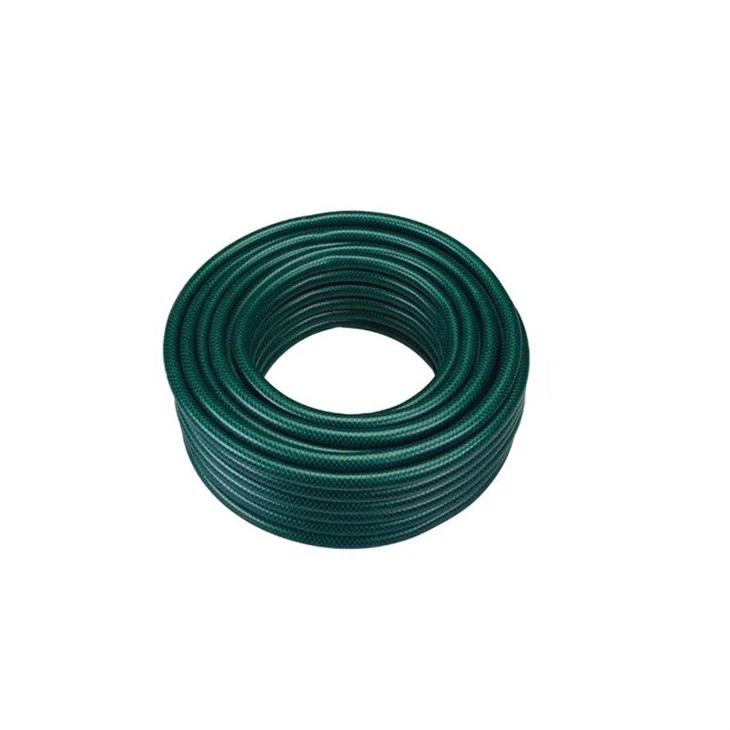
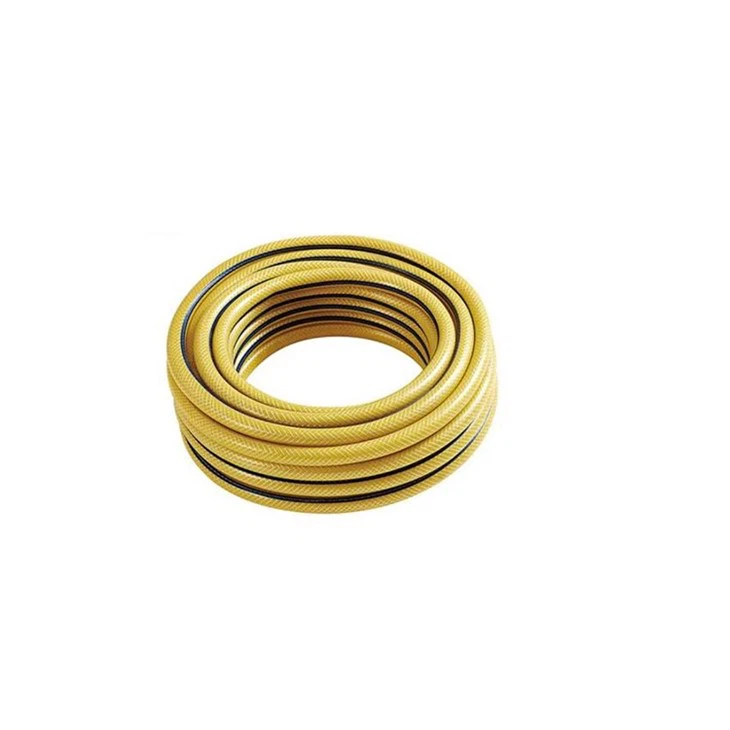
Before applying a coating, make sure that the hose is clean and dry. Follow the instructions on the coating product carefully, as different coatings may have different application methods. Some coatings may require multiple coats for maximum effectiveness.
Choose the Right Hose
When you're in a salt - water environment, it's important to choose the right PVC garden hose in the first place. Look for hoses that are specifically designed to be resistant to salt and other harsh chemicals. These hoses often have a thicker wall and a special formulation that makes them more durable.
As a PVC garden hose supplier, I can recommend some great options. Check out our Pvc Garden Hose Pipe for a high - quality, salt - resistant option. Our Home Hardware Garden Hose is also a popular choice for those who need a reliable hose for their garden. And if you're looking for a way to connect your garden hose to PVC fittings, our Garden Hose To Pvc guide can be really helpful.
Pressure Management
Be mindful of the water pressure when using your PVC garden hose in a salt - water environment. High water pressure can put extra stress on the hose, especially in a situation where the PVC may already be weakened by salt. Try to adjust the water pressure to a reasonable level. You can use a pressure regulator if necessary.
If you're using the hose for tasks like watering plants or washing your car, a moderate water pressure is usually sufficient. Avoid using the hose for high - pressure applications, such as power washing, unless the hose is specifically rated for it.
Avoid Kinks
Kinks in the hose can restrict the flow of water and put extra stress on the PVC. In a salt - water environment, this can lead to more rapid damage. When you're using the hose, try to avoid creating kinks. If you do notice a kink, gently straighten it out as soon as possible.
You can also invest in a hose that is less prone to kinking. Some hoses are designed with special features, such as a flexible core or a reinforced outer layer, that make them more resistant to kinking.
In conclusion, maintaining a PVC garden hose in a salt - water environment takes a bit of effort, but it's definitely worth it. By following these tips, you can extend the life of your hose and keep it working well for years to come.
If you're in the market for a new PVC garden hose or have any questions about hose maintenance, don't hesitate to reach out. We're here to help you find the perfect hose for your needs and provide you with all the support you need. Whether you're a professional gardener or just someone who loves to tend to their backyard, we've got you covered. Let's work together to keep your garden thriving!
References
- "PVC Hose Maintenance Guide" - A comprehensive guide on maintaining PVC hoses in various environments.
- "The Effects of Salt Water on Plastic Materials" - A research paper that explores how salt water affects different types of plastics, including PVC.