

Installing PVC pipes in a septic system is a crucial task that requires careful planning, proper tools, and a good understanding of the process. As a PVC pipe supplier, I've seen firsthand the importance of getting this installation right. In this blog, I'll guide you through the step - by - step process of installing PVC pipes in a septic system.
Understanding the Septic System and PVC Pipes
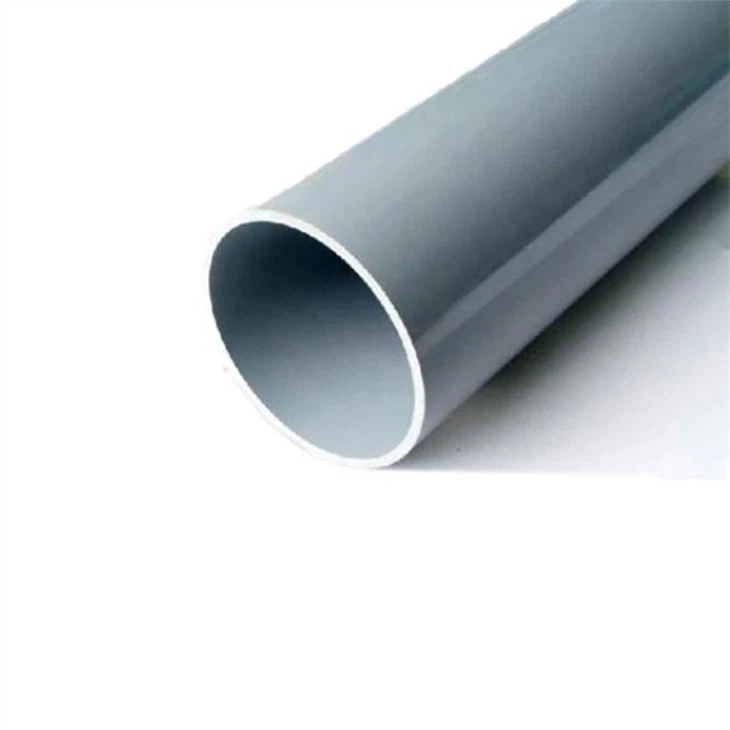
Before we start the installation, it's essential to understand the basic components of a septic system. A typical septic system consists of a septic tank, drain field, and a network of pipes that connect them. PVC pipes are an excellent choice for septic systems due to their durability, resistance to corrosion, and affordability.
Pvc Pipe For Water is often used in septic systems because it can withstand the harsh environment inside the tank and the ground. It is also lightweight, which makes it easier to handle during installation.
Step 1: Planning and Design
The first step in installing PVC pipes in a septic system is planning. You need to determine the layout of the pipes based on the size and location of your septic tank and drain field. Consider factors such as the slope of the ground, the distance between the tank and the drain field, and local building codes.
Create a detailed sketch of the pipe layout, indicating the length, diameter, and location of each pipe section. Make sure to include any 16 Inch Diameter Pvc Pipe Hose or other special - sized pipes that you'll need. This sketch will serve as a guide during the installation process.
Step 2: Gathering Tools and Materials
Once you have a plan, it's time to gather the necessary tools and materials. Here's a list of what you'll need:
- PVC pipes in the appropriate sizes and lengths
- PVC pipe fittings, such as elbows, tees, and couplings
- PVC 90 Degree Elbow Pipe for changing the direction of the pipes
- PVC primer and cement
- Measuring tape
- Hacksaw or PVC pipe cutter
- Shovel
- Level
- Safety equipment, such as gloves and safety glasses
Step 3: Preparing the Site
Before you start laying the pipes, you need to prepare the site. Mark the location of the septic tank and drain field on the ground. Use a shovel to dig trenches for the pipes. The trenches should be deep enough to provide proper slope for the pipes, typically around 1/4 inch per foot. Make sure the bottom of the trenches is level and free of rocks and debris.
Step 4: Cutting the PVC Pipes
Measure and mark the PVC pipes according to your layout sketch. Use a hacksaw or PVC pipe cutter to cut the pipes to the correct lengths. Make sure the cuts are straight and clean. After cutting, use a file or sandpaper to smooth the edges of the pipes to prevent damage to the PVC primer and cement.
Step 5: Assembling the PVC Pipes
Now it's time to assemble the PVC pipes. Apply PVC primer to the ends of the pipes and the inside of the fittings. The primer helps to clean and soften the PVC surface, allowing the cement to bond better. After applying the primer, wait for a few seconds until it becomes tacky.
Next, apply a generous amount of PVC cement to the primed surfaces. Insert the pipe into the fitting and twist it a quarter - turn to ensure even distribution of the cement. Hold the joint in place for a few seconds to allow the cement to set.

Step 6: Installing the Pipes in the Trenches
Carefully lower the assembled PVC pipes into the trenches. Make sure the pipes are properly aligned and have the correct slope. Use a level to check the slope of the pipes at regular intervals. Secure the pipes in place using pipe hangers or straps to prevent them from shifting.
Step 7: Connecting the Pipes to the Septic Tank and Drain Field
Once the pipes are in the trenches, connect them to the septic tank and drain field. Use appropriate fittings to make the connections. Make sure the connections are tight and leak - free. Apply PVC primer and cement to the joints as described earlier.
Step 8: Testing the System
After the pipes are installed and connected, it's important to test the system to ensure it's working properly. Fill the septic tank with water and check for any leaks in the pipes or connections. If you find any leaks, mark the location and repair them by reapplying PVC primer and cement.

Step 9: Backfilling the Trenches
Once the system has been tested and is leak - free, you can backfill the trenches. Use soil to fill the trenches around the pipes, making sure not to damage the pipes. Compact the soil gently to prevent settling.
Step 10: Final Checks
After backfilling, perform a final check of the septic system. Make sure all the pipes are covered and the ground is level. Check for any signs of leaks or damage. If everything looks good, your PVC pipe installation in the septic system is complete.
Tips for a Successful Installation
- Follow local building codes and regulations. Different areas may have specific requirements for septic system installations.
- Use high - quality PVC pipes and fittings. Cheaper products may not be as durable and can lead to problems in the long run.
- Take your time during the installation process. Rushing can lead to mistakes and leaks.
- Wear appropriate safety equipment, such as gloves and safety glasses, to protect yourself from injury.
Conclusion
Installing PVC pipes in a septic system is a challenging but rewarding task. By following the steps outlined in this blog, you can ensure a successful installation. As a PVC pipe supplier, I'm here to provide you with the best - quality PVC pipes and fittings for your septic system project. Whether you need Pvc Pipe For Water, 16 Inch Diameter Pvc Pipe Hose, or PVC 90 Degree Elbow Pipe, we have you covered.
If you're interested in purchasing PVC pipes for your septic system or have any questions about the installation process, please feel free to contact us. We're ready to assist you in every step of your project.
References
- "Septic System Installation Guide" - Local Building Department Publications
- "PVC Pipe Installation Manual" - Manufacturer's Documentation
- "Homeowner's Guide to Septic Systems" - Environmental Protection Agency Publications


