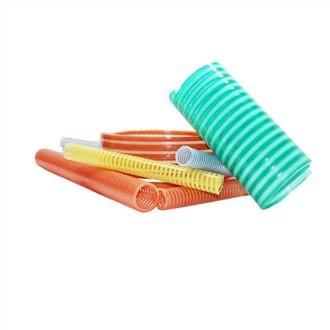
As a supplier of PVC garden hoses, I understand that one of the common concerns among users is the unpleasant smell that can sometimes emanate from these hoses. This smell can be off - putting and may even raise questions about the safety of using the hose for watering plants or other garden activities. In this blog post, I'll share some effective methods to get rid of the smell in a PVC garden hose.
Understanding the Source of the Smell
Before we dive into the solutions, it's important to understand where the smell comes from. PVC, or polyvinyl chloride, is a synthetic plastic polymer. During the manufacturing process, various chemicals are used, including plasticizers, stabilizers, and pigments. These chemicals can release volatile organic compounds (VOCs), which are responsible for the characteristic odor. Additionally, if the hose has been stored in a hot, enclosed space, the smell can become more pronounced.
Flushing the Hose
The simplest and most straightforward method to reduce the smell is to flush the hose thoroughly. Here's how you can do it:
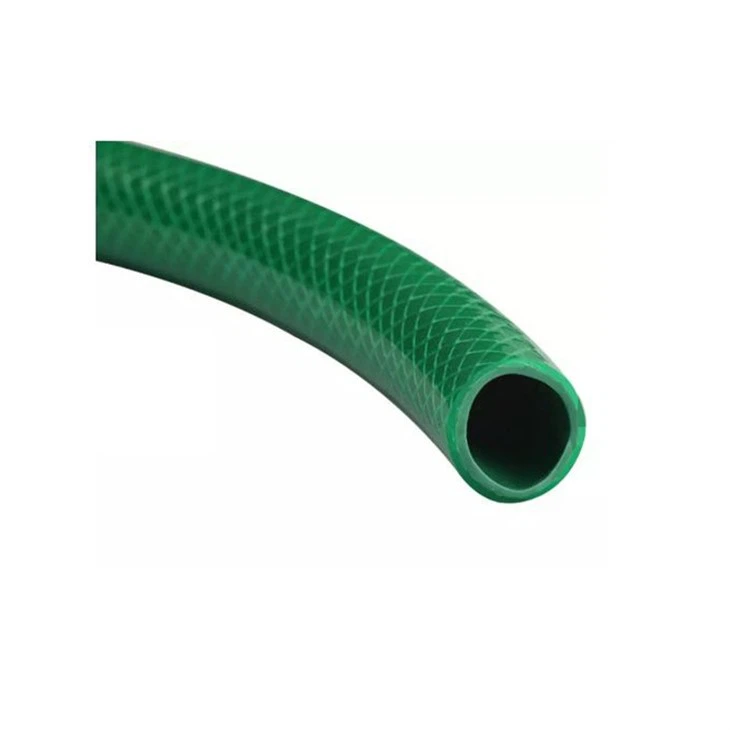
- Connect the hose: Attach the PVC garden hose to an outdoor water source, such as a faucet. Make sure the connection is secure to prevent any leaks. You can find a high - quality PVC Garden Hose 1/2" that provides a reliable connection and efficient water flow.
- Open the water: Turn on the water at full pressure and let it run through the hose for at least 10 - 15 minutes. This will help to wash away any loose chemicals or debris inside the hose that may be contributing to the smell.
- Flush both ends: If possible, disconnect the other end of the hose from any attachments and allow the water to flow freely from both ends. This ensures a more thorough cleaning.
Using Vinegar
Vinegar is a natural and effective cleaner that can help neutralize odors. Here's a step - by - step guide on using vinegar to get rid of the smell in your PVC garden hose:
- Prepare the vinegar solution: Mix equal parts of white vinegar and water in a large bucket. For example, if you use 1 liter of water, add 1 liter of vinegar.
- Fill the hose: Submerge one end of the hose in the vinegar solution and use a funnel to pour the solution into the other end until the hose is filled. You may need to hold the end of the hose above the bucket to prevent the solution from flowing out.
- Let it soak: Leave the vinegar solution in the hose for at least 2 - 3 hours. If the smell is particularly strong, you can let it soak overnight.
- Flush the hose: After soaking, drain the vinegar solution from the hose and then flush the hose with clean water for several minutes to remove any remaining vinegar smell.
Baking Soda
Baking soda is another excellent odor absorber. Here's how you can use it:
- Make a baking soda solution: Dissolve about 1/2 cup of baking soda in a gallon of warm water. Stir well until the baking soda is completely dissolved.
- Fill the hose: Similar to the vinegar method, fill the hose with the baking soda solution.
- Soak and rinse: Let the solution sit in the hose for a few hours. Then, drain the solution and flush the hose thoroughly with clean water.
Lemon Juice
Lemon juice has a fresh, citrusy smell that can help mask and eliminate the unpleasant odor from the PVC hose.

- Prepare the lemon juice solution: Squeeze the juice from 2 - 3 lemons into a bucket of water. You can also add the lemon peels for an extra boost of freshness.
- Fill and soak: Fill the hose with the lemon juice solution and let it soak for 1 - 2 hours.
- Flush: Drain the solution and rinse the hose with clean water.
Proper Storage
Proper storage of the PVC garden hose can also prevent the smell from getting worse. Here are some storage tips:
- Keep it dry: Make sure the hose is completely dry before storing it. If the hose is wet when stored, it can develop mold and mildew, which can contribute to a bad smell.
- Store in a cool, well - ventilated area: Avoid storing the hose in a hot, enclosed space, such as a shed or garage, where the heat can cause the chemicals in the PVC to release more VOCs. Instead, store it in a shaded, well - ventilated area.
- Coil the hose properly: Coil the hose neatly to prevent kinks and twists. This allows for better air circulation inside the hose and reduces the chance of odors building up.
Comparing PVC Garden Hoses with Other Types
If you're still concerned about the smell or are considering different types of garden hoses, you might want to explore the differences between PVC and other materials. Check out our Pvc Garden Hose Vs Rubber comparison to learn more about the pros and cons of each type.
Converting a Garden Hose to PVC
If you have an existing garden hose and want to convert it to PVC, we have some useful information for you. Visit our Garden Hose To Pvc page to find out how to make the conversion process smooth and hassle - free.
Conclusion
Getting rid of the smell in a PVC garden hose is not a difficult task. By following the methods mentioned above, such as flushing the hose, using natural cleaners like vinegar, baking soda, and lemon juice, and storing the hose properly, you can enjoy a fresh - smelling and functional garden hose.
As a PVC garden hose supplier, we are committed to providing high - quality products and helpful advice to our customers. If you have any questions about our products or need further assistance in getting rid of the smell in your hose, feel free to contact us for a procurement discussion. We look forward to serving you and helping you find the best garden hose solution for your needs.
References
- "The Chemistry of PVC". Journal of Polymer Science.
- "Odor Control in Plastic Products". Plastics Technology Magazine.
- "Best Practices for Garden Hose Maintenance". Gardening Today.