Ensuring the tightness of a PVC spiral hose connection is crucial for various applications, whether it's in industrial settings, agricultural fields, or home use. As a dedicated PVC Spiral Hose supplier, I understand the significance of a secure and leak - free connection. In this blog, I'll share some effective ways to ensure the tightness of a PVC spiral hose connection.
Understanding the Basics of PVC Spiral Hose
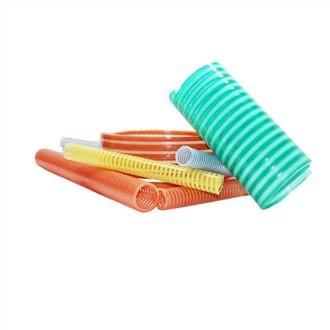
Before delving into connection tightness, it's essential to have a basic understanding of PVC spiral hoses. PVC spiral hoses are known for their flexibility, durability, and resistance to chemicals. They are often reinforced with a spiral structure, which provides additional strength and helps maintain the hose's shape under pressure. These hoses come in different sizes and specifications to meet various needs. For example, the 2 Inch Water Hose is suitable for applications where a larger volume of water needs to be transferred, while the Flexible PVC Hose Spiral Convoluted offers excellent flexibility for complex routing.
Selecting the Right Fittings
One of the first steps in ensuring a tight connection is selecting the appropriate fittings. Fittings should be compatible with the size and type of the PVC spiral hose. There are several types of fittings available, such as threaded fittings, quick - connect fittings, and barbed fittings.
- Threaded Fittings: These are commonly used in applications where a secure and permanent connection is required. When using threaded fittings, it's important to ensure that the threads on the fitting and the hose end match. Apply a thread - sealing tape, such as Teflon tape, to the male threads before screwing the fitting onto the hose. This tape helps to create a tight seal and prevents leaks.
- Quick - Connect Fittings: Quick - connect fittings are ideal for applications where frequent disconnection and reconnection are needed. They are easy to use and can provide a tight seal when properly installed. Make sure to insert the hose fully into the quick - connect fitting and lock it in place according to the manufacturer's instructions.
- Barbed Fittings: Barbed fittings are often used in applications where a simple and cost - effective connection is required. The barbs on the fitting grip the inside of the hose, providing a secure connection. However, it's important to choose the right size of barbed fitting to ensure a proper fit. If the fitting is too small, the hose may not grip tightly enough, and if it's too large, the hose may be damaged during installation.
Preparing the Hose and Fittings
Proper preparation of the hose and fittings is essential for a tight connection.
- Cutting the Hose: Use a sharp utility knife or a hose cutter to cut the PVC spiral hose to the desired length. Make sure to cut the hose at a 90 - degree angle to ensure a proper fit with the fittings. A jagged or uneven cut can prevent the fitting from making a tight seal.
- Cleaning the Hose and Fittings: Before installing the fittings, clean the inside and outside of the hose and the fittings. Remove any dirt, debris, or oil that may be present. This ensures that the surfaces are smooth and allows for a better seal. You can use a mild detergent and water to clean the components, and then dry them thoroughly before installation.
- Softening the Hose (if necessary): In some cases, especially when using barbed fittings, it may be necessary to soften the end of the hose to make it easier to install. You can do this by soaking the end of the hose in hot water for a few minutes. However, be careful not to overheat the hose, as this can damage the PVC material.
Installing the Fittings
The installation process plays a crucial role in ensuring the tightness of the connection.
- Threaded Fittings Installation: When installing threaded fittings, hand - tighten the fitting onto the hose end first. Then, use a wrench to give it an additional quarter - turn to ensure a tight seal. However, be careful not to overtighten, as this can damage the threads or the hose.
- Quick - Connect Fittings Installation: For quick - connect fittings, follow the manufacturer's instructions carefully. Usually, you need to insert the hose into the fitting until it reaches the stop, and then lock the fitting in place. Some quick - connect fittings may require a specific tool or a certain amount of force to lock properly.
- Barbed Fittings Installation: To install barbed fittings, lubricate the end of the hose with a small amount of soapy water or a hose lubricant. This makes it easier to slide the hose onto the barbs. Push the hose onto the barbed fitting as far as possible, and then use a hose clamp to secure the hose in place. Make sure the hose clamp is tightened evenly around the hose to prevent leaks.
Using Sealants and Gaskets
In some applications, using sealants and gaskets can provide an extra layer of protection against leaks.
- Sealants: There are various types of sealants available for PVC spiral hose connections, such as silicone sealants and PVC - compatible adhesives. Apply a thin layer of sealant to the joint between the hose and the fitting. This helps to fill any small gaps and prevents leaks. However, make sure to choose a sealant that is compatible with PVC material to avoid any chemical reactions.
- Gaskets: Gaskets can be used in applications where a more precise and reliable seal is required. For example, when using threaded fittings, a gasket can be placed between the fitting and the hose end. Make sure the gasket is the right size and shape for the application, and that it is made of a material that is compatible with PVC.
Testing the Connection
After installing the fittings, it's important to test the connection to ensure that it is tight and leak - free.
- Pressure Testing: If possible, conduct a pressure test on the hose assembly. This involves applying a specified amount of pressure to the hose and checking for any leaks. You can use a pressure gauge and a pressure source, such as a pump, to perform the test. Make sure to follow all safety precautions when conducting a pressure test.
- Visual Inspection: In addition to pressure testing, visually inspect the connection for any signs of leaks, such as water droplets or air bubbles. Check the fittings and the hose for any signs of damage or loosening. If you notice any issues, tighten the fittings or make any necessary adjustments.
Maintenance and Monitoring
Once the connection is installed and tested, regular maintenance and monitoring are essential to ensure its long - term tightness.
- Inspect Regularly: Periodically inspect the PVC spiral hose connection for any signs of wear, damage, or leaks. Check the fittings for any signs of corrosion or loosening. If you notice any issues, address them immediately to prevent further damage.
- Replace Worn Components: Over time, the hose and fittings may wear out. Replace any worn or damaged components as soon as possible to maintain the tightness of the connection. This includes replacing the hose if it shows signs of cracking or excessive wear, and replacing the fittings if the threads are damaged or the barbs are worn.
Conclusion
Ensuring the tightness of a PVC spiral hose connection is a multi - step process that involves selecting the right fittings, preparing the hose and fittings properly, installing the fittings correctly, using sealants and gaskets if necessary, testing the connection, and performing regular maintenance. By following these steps, you can ensure a secure and leak - free connection for your PVC spiral hose applications.
If you are in need of high - quality PVC spiral hoses or have any questions about ensuring the tightness of hose connections, please feel free to contact us for more information and to discuss your procurement needs. We are committed to providing you with the best products and solutions for your specific requirements.


References
- ASTM International. (20XX). Standard specifications for PVC hoses.
- Manufacturer's manuals for PVC spiral hoses and fittings.