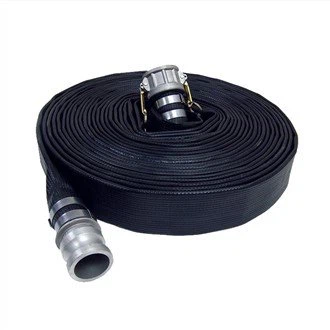
Ensuring a proper connection between a shrinking hose and a water source is crucial for efficient and hassle - free water delivery. As a shrinking hose supplier, I've witnessed firsthand the importance of this connection and the various issues that can arise when it's not done correctly. In this blog, I'll share some in - depth insights and practical tips on how to achieve a proper connection.
Understanding the Basics of Shrinking Hoses
Shrinking hoses, also known as expandable hoses, are a popular choice for many applications, especially in gardening and light - duty water tasks. These hoses are designed to expand when filled with water and shrink back to a compact size when the water is turned off. They are lightweight, easy to store, and generally more flexible than traditional hoses.
The key components of a shrinking hose include the inner tube, which is usually made of latex or a similar flexible material, and an outer protective layer, often a braided fabric. At each end of the hose, there are fittings that are used to connect the hose to a water source and other accessories.
Choosing the Right Fittings
One of the first steps in ensuring a proper connection is selecting the right fittings. The fitting should match the type of water source you're using. For example, if you're connecting to a standard garden faucet, you'll need a fitting with a female connector that can screw onto the male threads of the faucet.
There are different types of fittings available in the market. Some fittings are made of plastic, which are lightweight and affordable. However, they may not be as durable as metal fittings, especially if you're using the hose in a harsh environment. Metal fittings, such as brass or stainless - steel, are more robust and can withstand higher water pressures.
When choosing fittings, make sure they have a tight seal. A loose - fitting connection can lead to leaks, which not only waste water but can also cause damage to your property over time. You can look for fittings with rubber gaskets or O - rings, which help to create a watertight seal. For more options on high - quality fittings, you can check out our Pvc Hose Pneumatic Hose page.
Preparing the Water Source
Before connecting the shrinking hose, it's important to prepare the water source. Start by turning off the water supply at the main valve. This will prevent any water from flowing out when you're making the connection.
Inspect the water source for any signs of damage or debris. If the threads on the faucet are corroded or damaged, it may be difficult to get a proper connection. You can use a wire brush to clean the threads and remove any rust or debris. If the damage is severe, you may need to replace the faucet or use a thread repair kit.
Flush the water source to remove any dirt or sediment that may be in the pipes. This can help prevent clogs in the hose and ensure a smooth flow of water. Simply turn on the water for a few seconds and then turn it off again.
Making the Connection
Once you've chosen the right fittings and prepared the water source, it's time to make the connection. Start by attaching the fitting to the end of the shrinking hose. Most fittings can be easily screwed onto the hose, but make sure you don't overtighten, as this can damage the hose or the fitting.
Next, carefully align the fitting on the water source. If the fitting has a rubber gasket, make sure it's properly seated. Slowly screw the fitting onto the water source, turning it clockwise. You may need to use a wrench to tighten the fitting further, but be careful not to overdo it. A good rule of thumb is to tighten the fitting until it's snug, but not so tight that you risk damaging the threads.
After making the connection, turn on the water supply slowly. Check for any leaks around the connection. If you notice a leak, try tightening the fitting a little more. If the leak persists, you may need to replace the gasket or the fitting.
Testing the Connection
After making the connection, it's important to test it to ensure it's working properly. Turn on the water and let it flow through the hose for a few minutes. Check the entire length of the hose for any signs of leaks, bulges, or kinks.


Pay special attention to the connection points. If there are any leaks, turn off the water and make the necessary adjustments. You can also check the water pressure. If the pressure seems too low or too high, it could indicate a problem with the connection or the water source.
For a more comprehensive solution, our Magic Hose 100 ft Expandable Garden Hose Set comes with high - quality fittings and is designed to provide a reliable connection and consistent water flow.
Maintaining the Connection
To ensure a long - lasting and proper connection, regular maintenance is essential. After each use, turn off the water supply and drain the hose. This will prevent water from sitting in the hose, which can cause damage over time.
Store the hose properly when not in use. Avoid leaving the hose in direct sunlight or extreme temperatures, as this can degrade the materials. You can coil the hose neatly and store it in a cool, dry place.
Periodically inspect the fittings and the hose for any signs of wear or damage. Replace any worn - out parts as soon as possible to prevent leaks and other problems.
Troubleshooting Common Issues
Even with the best preparation, you may encounter some common issues with the connection. Here are some solutions to the most common problems:
- Leaks: As mentioned earlier, leaks are often caused by loose fittings or damaged gaskets. Try tightening the fitting or replacing the gasket. If the leak is coming from the hose itself, it may be damaged and need to be replaced.
- Low water pressure: Low water pressure can be caused by a clogged hose, a problem with the water source, or a kink in the hose. Check for any kinks and straighten the hose. If the problem persists, check the water source and make sure the valve is fully open. You can also try using a larger diameter hose or a hose with a lower resistance, such as our 1 Inch Braided Vinyl Tubing.
- Difficulty connecting or disconnecting: If you're having trouble connecting or disconnecting the fitting, it may be due to dirt or debris on the threads. Clean the threads and try again. You can also use a little bit of lubricant, such as silicone grease, to make the process easier.
Conclusion
Ensuring a proper connection between a shrinking hose and a water source is essential for a successful water delivery system. By choosing the right fittings, preparing the water source, making the connection carefully, and testing and maintaining it regularly, you can avoid many common problems and enjoy a hassle - free experience.
If you're interested in purchasing high - quality shrinking hoses or related accessories, we're here to help. Our products are designed to provide reliable performance and long - lasting durability. Whether you're a homeowner, a professional gardener, or a business owner, we have the right solutions for your needs. Contact us today to start a procurement discussion and find the perfect shrinking hose for your application.
References
- "Hose Fittings Handbook", Industry Publications Inc.
- "Water Supply Systems: Design and Maintenance", Engineering Press
- "Gardening with Expandable Hoses", Gardening World Magazine