Hey there! As a supplier of steel fittings, I know how crucial it is to enhance the corrosion resistance of these products. Corrosion can not only damage the appearance of steel fittings but also compromise their structural integrity, leading to costly replacements and potential safety hazards. In this blog post, I'll share some practical tips on how to boost the corrosion resistance of steel fittings.
Understanding Corrosion in Steel Fittings
Before we dive into the solutions, let's quickly understand what causes corrosion in steel fittings. Corrosion is essentially a chemical reaction between the metal and its environment. When steel comes into contact with oxygen and moisture, it forms iron oxide, commonly known as rust. Other factors like exposure to chemicals, high humidity, and saltwater can also accelerate the corrosion process.
Choosing the Right Steel Grade
One of the first steps in enhancing corrosion resistance is selecting the appropriate steel grade. Not all steels are created equal when it comes to fighting off rust. Stainless steel, for example, is a popular choice because it contains chromium, which forms a protective oxide layer on the surface. This layer acts as a barrier, preventing oxygen and moisture from reaching the underlying metal.
There are different types of stainless steel, such as austenitic, ferritic, and martensitic. Austenitic stainless steels (e.g., 304 and 316) are known for their excellent corrosion resistance, especially in environments with mild to moderate corrosive agents. If you're dealing with more aggressive conditions, like exposure to saltwater, 316 stainless steel is a better option as it contains molybdenum, which further enhances its resistance to pitting and crevice corrosion.
Applying Protective Coatings
Another effective way to enhance corrosion resistance is by applying protective coatings to steel fittings. There are several types of coatings available, each with its own advantages.
Paint Coatings
Paint is a simple and cost - effective way to protect steel fittings. It creates a physical barrier between the metal and the environment. Epoxy paints, for instance, are known for their durability and adhesion. They can withstand harsh conditions and provide long - term protection. Before applying paint, it's important to properly prepare the surface of the steel fitting. This usually involves cleaning it to remove any dirt, grease, or rust, and then sanding it to create a rough surface for better paint adhesion.


Galvanizing
Galvanizing is a process where a layer of zinc is applied to the steel surface. Zinc acts as a sacrificial anode, which means it corrodes before the steel does. There are two main types of galvanizing: hot - dip galvanizing and electro - galvanizing. Hot - dip galvanizing involves dipping the steel fitting into a bath of molten zinc. This method creates a thick and durable zinc coating that can provide long - term protection, especially in outdoor and industrial environments. Electro - galvanizing, on the other hand, uses an electrical current to deposit a thin layer of zinc onto the steel. It's a more precise process and is often used for smaller and more intricate steel fittings.
Powder Coating
Powder coating is a modern and environmentally friendly coating method. It involves applying a dry powder to the steel fitting and then heating it to melt the powder and form a smooth, hard coating. Powder coatings offer excellent corrosion resistance, as well as good abrasion and chemical resistance. They come in a wide range of colors and finishes, so you can choose one that suits your aesthetic requirements.
Proper Storage and Handling
How you store and handle steel fittings can also have a significant impact on their corrosion resistance. When storing steel fittings, it's important to keep them in a dry and well - ventilated area. Avoid storing them in areas where there is a lot of moisture or where they can come into contact with corrosive substances.
If the steel fittings are going to be stored for an extended period, consider using desiccants to absorb any moisture in the storage area. When handling the fittings, use clean gloves to prevent transferring oils and dirt from your hands, which can potentially promote corrosion.
Regular Inspection and Maintenance
Regular inspection and maintenance are key to ensuring the long - term corrosion resistance of steel fittings. Inspect the fittings periodically for any signs of corrosion, such as rust spots or discoloration. If you notice any early signs of corrosion, take immediate action to address it.
For example, if there are small rust spots on a painted steel fitting, you can remove the rust using a wire brush or sandpaper, and then touch up the paint. If the corrosion is more severe, you may need to consider re - coating the fitting or replacing it altogether.
Using Corrosion Inhibitors
Corrosion inhibitors are chemicals that can be added to the environment or applied directly to the steel surface to reduce the rate of corrosion. There are different types of corrosion inhibitors, such as organic and inorganic inhibitors.
Organic inhibitors work by forming a protective film on the steel surface, which prevents the corrosive agents from reaching the metal. Inorganic inhibitors, on the other hand, can react with the metal surface to form a passive layer. Corrosion inhibitors can be used in various applications, such as in cooling water systems or in coatings.
Conclusion
Enhancing the corrosion resistance of steel fittings is a multi - faceted process that involves choosing the right steel grade, applying protective coatings, proper storage and handling, regular inspection and maintenance, and using corrosion inhibitors. By implementing these strategies, you can significantly extend the lifespan of your steel fittings and reduce the risk of corrosion - related problems.
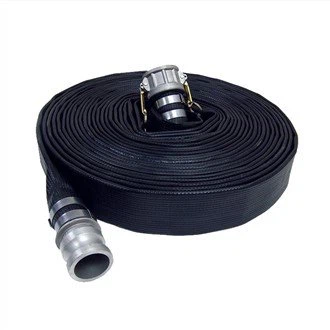
If you're in the market for high - quality steel fittings with excellent corrosion resistance, we've got you covered. We offer a wide range of products, including Pipe Fittings Iron, Quick Release Hose Connector, and Steel Air Line Fittings. Feel free to reach out to us to discuss your specific requirements and start a procurement negotiation. We're here to help you find the best solutions for your projects.
References
- Jones, D. A. (1992). Principles and Prevention of Corrosion. Prentice Hall.
- Uhlig, H. H., & Revie, R. W. (1985). Corrosion and Corrosion Control: An Introduction to Corrosion Science and Engineering. Wiley.
- Fontana, M. G. (1986). Corrosion Engineering. McGraw - Hill.