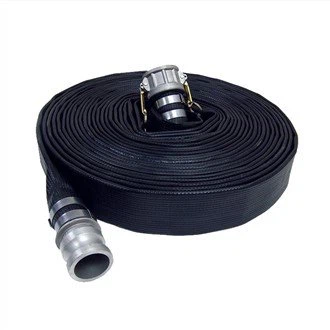
Determining if an LPG (liquefied petroleum gas) hose is suitable for a specific appliance is crucial for ensuring safety, efficiency, and proper functionality. As an LPG hose supplier, I understand the importance of guiding customers through this process. In this blog post, I will share some key factors to consider when making this determination.
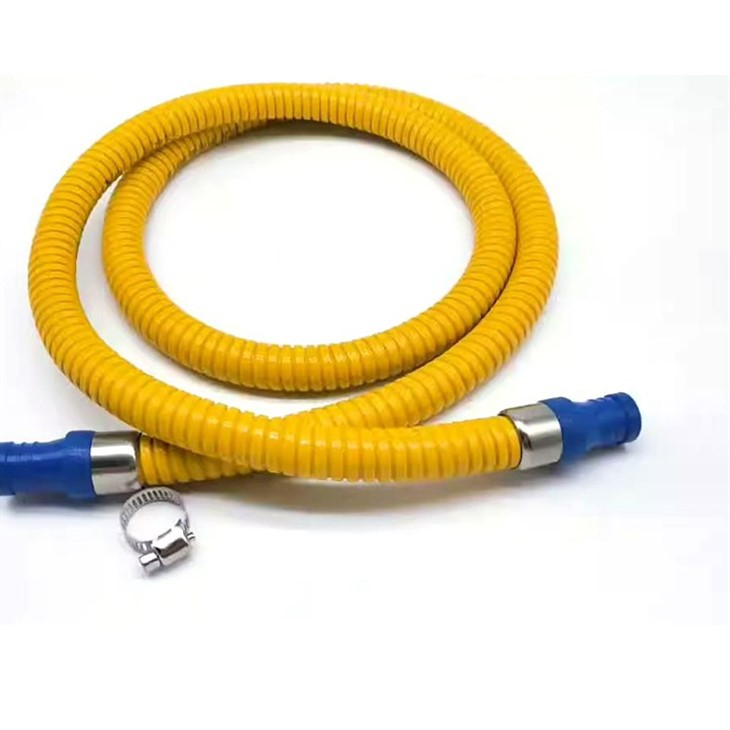
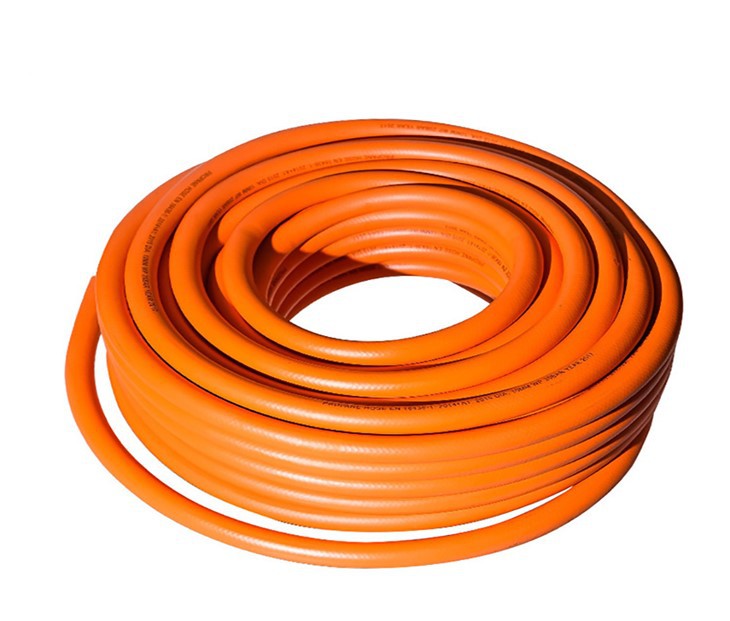
Compatibility with Appliance Requirements
The first step in determining the suitability of an LPG hose is to understand the specific requirements of the appliance. Different appliances have different gas flow rates, pressure ratings, and connection types. For example, a large industrial burner may require a hose with a higher flow rate and pressure rating compared to a small camping stove.
- Flow Rate: The flow rate of an LPG hose refers to the amount of gas that can pass through it per unit of time. It is usually measured in cubic feet per hour (CFH) or liters per minute (LPM). To determine the required flow rate for your appliance, refer to the appliance's user manual or specifications. Make sure to choose an LPG hose with a flow rate that meets or exceeds the appliance's requirements.
- Pressure Rating: The pressure rating of an LPG hose indicates the maximum pressure it can safely withstand. Appliances typically operate at specific pressure levels, and using a hose with an inadequate pressure rating can lead to leaks or even explosions. Check the appliance's manual for the required pressure rating and select an LPG hose that can handle that pressure.
- Connection Type: Appliances come with different types of gas connections, such as threaded connections, quick-connect fittings, or flared connections. It is essential to choose an LPG hose with the appropriate connection type that matches the appliance. Using an incompatible connection can result in gas leaks and unsafe operation.
Material and Construction
The material and construction of an LPG hose play a significant role in its suitability for a specific appliance. Different materials have different properties, such as resistance to heat, chemicals, and abrasion.
- Inner Tube Material: The inner tube of an LPG hose is in direct contact with the gas and should be made of a material that is resistant to the corrosive effects of LPG. Common materials for inner tubes include synthetic rubber, such as nitrile rubber (NBR) or ethylene propylene diene monomer (EPDM). These materials are known for their excellent resistance to LPG and other hydrocarbons.
- Reinforcement Layer: The reinforcement layer provides strength and durability to the hose. It is typically made of braided or spiraled fibers, such as polyester, nylon, or steel. The type and number of reinforcement layers depend on the hose's pressure rating and intended use. For high-pressure applications, a hose with multiple layers of reinforcement may be required.
- Outer Cover Material: The outer cover of an LPG hose protects the inner tube and reinforcement layer from external damage, such as abrasion, sunlight, and weather conditions. It is usually made of a synthetic rubber or thermoplastic material that is resistant to these factors. Some outer cover materials also have additional properties, such as flame resistance or oil resistance.
Safety Standards and Certifications
When selecting an LPG hose for a specific appliance, it is important to ensure that the hose meets relevant safety standards and certifications. These standards and certifications indicate that the hose has been tested and approved for use with LPG and meets certain quality and safety requirements.
- National and International Standards: Different countries and regions have their own standards for LPG hoses. In the United States, for example, LPG hoses must comply with standards set by the National Fire Protection Association (NFPA) and the American Society of Mechanical Engineers (ASME). In Europe, the relevant standards are set by the European Committee for Standardization (CEN). Make sure to choose an LPG hose that meets the applicable standards in your area.
- Certifications: Look for hoses that have been certified by recognized testing laboratories, such as Underwriters Laboratories (UL) or the International Organization for Standardization (ISO). These certifications provide an additional level of assurance that the hose has been tested and meets specific safety and performance criteria.
Length and Flexibility
The length and flexibility of an LPG hose are also important considerations when determining its suitability for a specific appliance.
- Length: The length of the hose should be appropriate for the distance between the gas source and the appliance. A hose that is too short may not reach the appliance, while a hose that is too long can increase the risk of kinking or tangling. Measure the distance carefully and choose a hose with a length that allows for easy installation and use.
- Flexibility: A flexible hose is easier to install and maneuver around obstacles. It can also reduce the stress on the connections and prevent leaks. Look for hoses that are made of flexible materials and have a smooth inner surface to ensure unrestricted gas flow.
Our Product Offerings
As an LPG hose supplier, we offer a wide range of high-quality Gas Connector Hose, Gas Hoses, and Lpg/propane Gas Hose that are suitable for various appliances and applications. Our hoses are made from premium materials and are designed to meet or exceed industry standards and certifications.
We understand that every customer's needs are unique, and we are committed to providing personalized solutions. Our team of experts can help you select the right LPG hose for your specific appliance and provide you with all the necessary information and support.
Contact Us for Procurement
If you are in the market for an LPG hose for your specific appliance, we invite you to contact us. Our knowledgeable sales team will be happy to assist you in finding the perfect hose for your needs. Whether you are a homeowner, a contractor, or an industrial user, we have the expertise and products to meet your requirements.
References
- National Fire Protection Association (NFPA). NFPA 58: Liquefied Petroleum Gas Code.
- American Society of Mechanical Engineers (ASME). ASME B31.8: Gas Transmission and Distribution Piping Systems.
- European Committee for Standardization (CEN). EN 1482: Gas appliances - Safety requirements - Part 1: General requirements.
- Underwriters Laboratories (UL). UL 148: Liquefied Petroleum Gas (LPG) Appliance Connectors.
- International Organization for Standardization (ISO). ISO 10297: Rubber and plastics hoses and hose assemblies - Hydrostatic testing.